NEXT CHAPTER BLOG
6 Historical Fiction Novelists to Discover Through Their Books
Historical fiction novelists often return to particular questions even when their settings change: how power reaches ordinary people, what belief demands, and how a life is redirected by conflict.
Share
Historical fiction novelists often return to particular questions even when their settings change: how power reaches ordinary people, what belief demands, and how a life is redirected by conflict. These six writers offer different routes into those concerns. The profiles focus on books represented in the catalog, giving you a practical starting point without depending on changing career totals or unsupported biographical details.
Malcolm Archibald
Windrush follows an ambitious officer into the Burma campaign, while Blood Oath carries a revenge quest through eighteenth-century warfare. These books offer a starting point in Archibald’s military historical fiction.
Explore Malcolm Archibald’s books
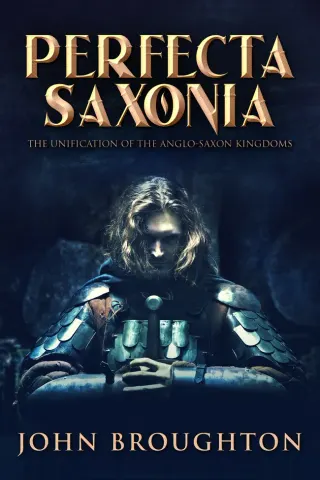
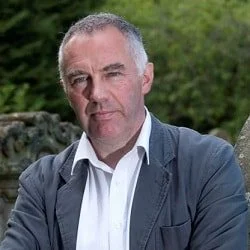
John Broughton
The Purple Thread follows a freedman protecting missionaries in eighth-century Europe, while The Runes Of Victory concerns a young man facing Viking raids. Start here for Broughton’s interest in early medieval lives.
Explore John Broughton’s books
Stuart G. Yates
Varangian follows Harald Hardrada into the court politics of Byzantine Constantinople. It offers a starting point in Stuart G. Yates’ historical fiction through an adventurer facing unfamiliar forms of power.
Explore Stuart G. Yates’s books
David Blixt
Stone And Steel places a mason in the defense of Galilee against Rome. It offers an introduction to David Blixt’s historical fiction through the pressures a military struggle brings to an individual life.
John Bentley
Baudet follows a young man toward religious life in seventeenth-century Marseilles, while Fist Of The Faith connects lives in medieval Avignon. These books introduce Bentley’s interest in belief, temptation, and moral choices.
Paul Arrowsmith
Da Vinci’s Last Supper - The Forgotten Tale follows the turmoil around Leonardo’s choice of a model in Milan. Begin here for Paul Arrowsmith’s treatment of art, religious authority, and public scandal.
Explore Paul Arrowsmith’s books
Choose a writer through the period or personal conflict that interests you, then explore the books that extend that approach in another direction.