NEXT CHAPTER BLOG
War’s Emotional Aftermath in A Child Of War
Explore Ewa Reid-Hammer’s A Child Of War, a memoir reflecting on childhood fear, the emotional aftermath of war, and its effects on close relationships.
Share
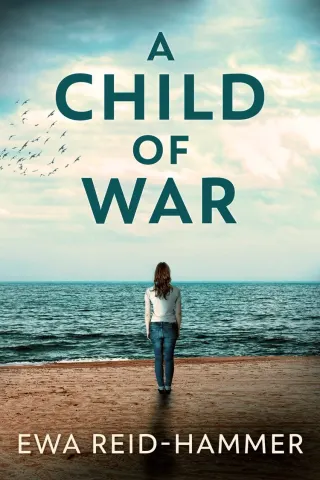
Ewa Reid-Hammer’s A Child Of War follows her experience from a frightened childhood into adulthood, reflecting on consequences that extend beyond immediate physical danger. Depression, distress, and the effort to recover a sense of self bring the war's aftermath into the personal routines and relationships through which she grows up.
A child’s view of disruption
Reid-Hammer recalls displacement, separation from familiar people, and adults trying to maintain an appearance of normal life. A child can recognize absence and unwanted change without understanding the events that produced them. That limited perspective makes the efforts of the adults around her part of the experience she remembers.
That difference between experience and explanation gives the memoir’s childhood perspective particular weight. The reader encounters personal memories, rather than a comprehensive account of everyone who lived through the conflict.
An aftermath shared with others
Reid-Hammer also considers emotional effects on people close to her. This broadens the account beyond a private struggle, while keeping it rooted in her own life and relationships.
Readers interested in war's emotional aftermath can follow this reflection on survival through the changing perspective of a child becoming an adult. Years bring distance from immediate danger, but also opportunities to reconsider experiences that once resisted explanation. Memories of separation and attempts at normality remain part of that process. The account keeps the subject at a personal scale, tracing what it means for one life to continue after war has already shaped its beginning.
FROM THE NEXT CHAPTER CATALOG