



Sanity and Madness: The Dark Allure of Obsession
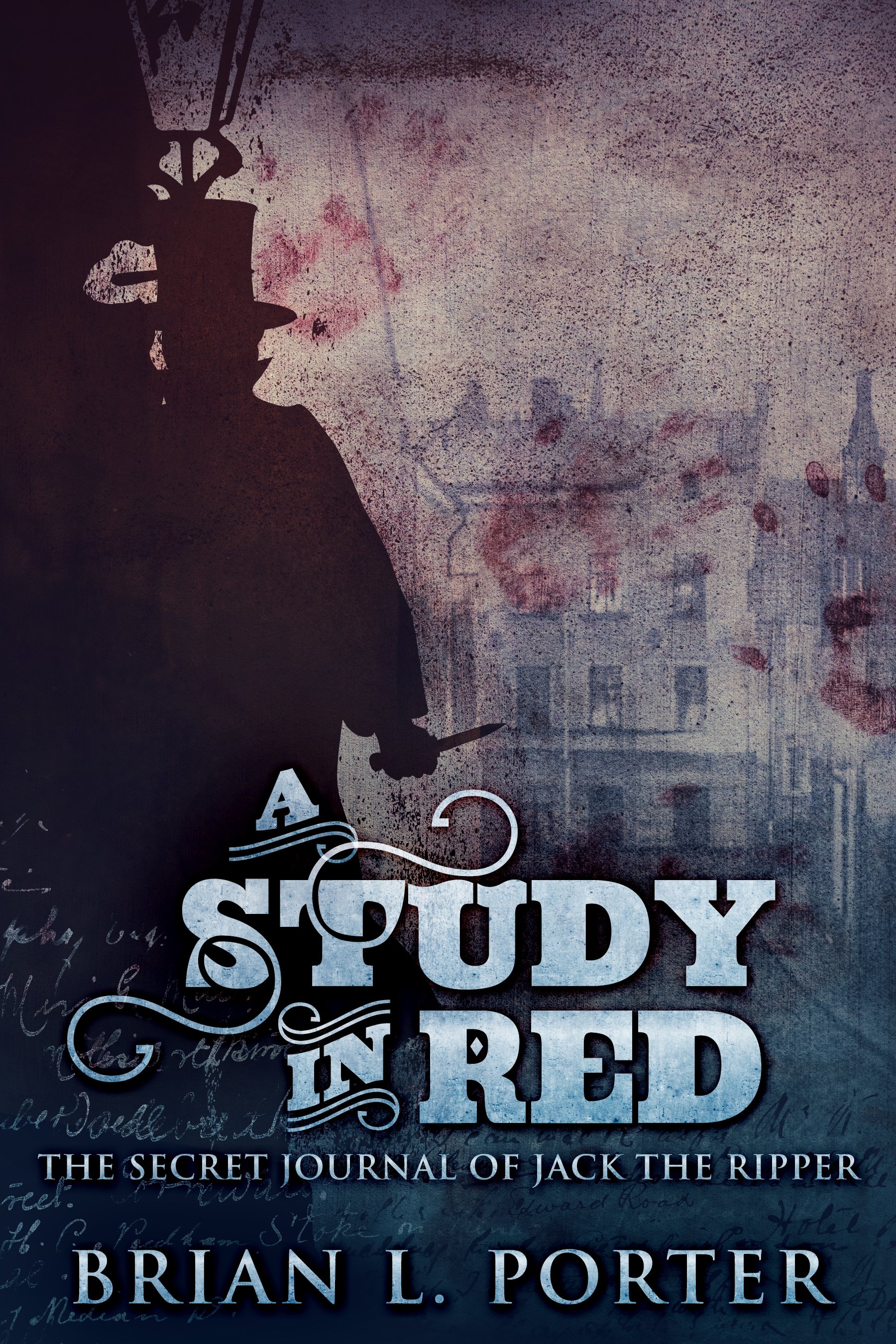
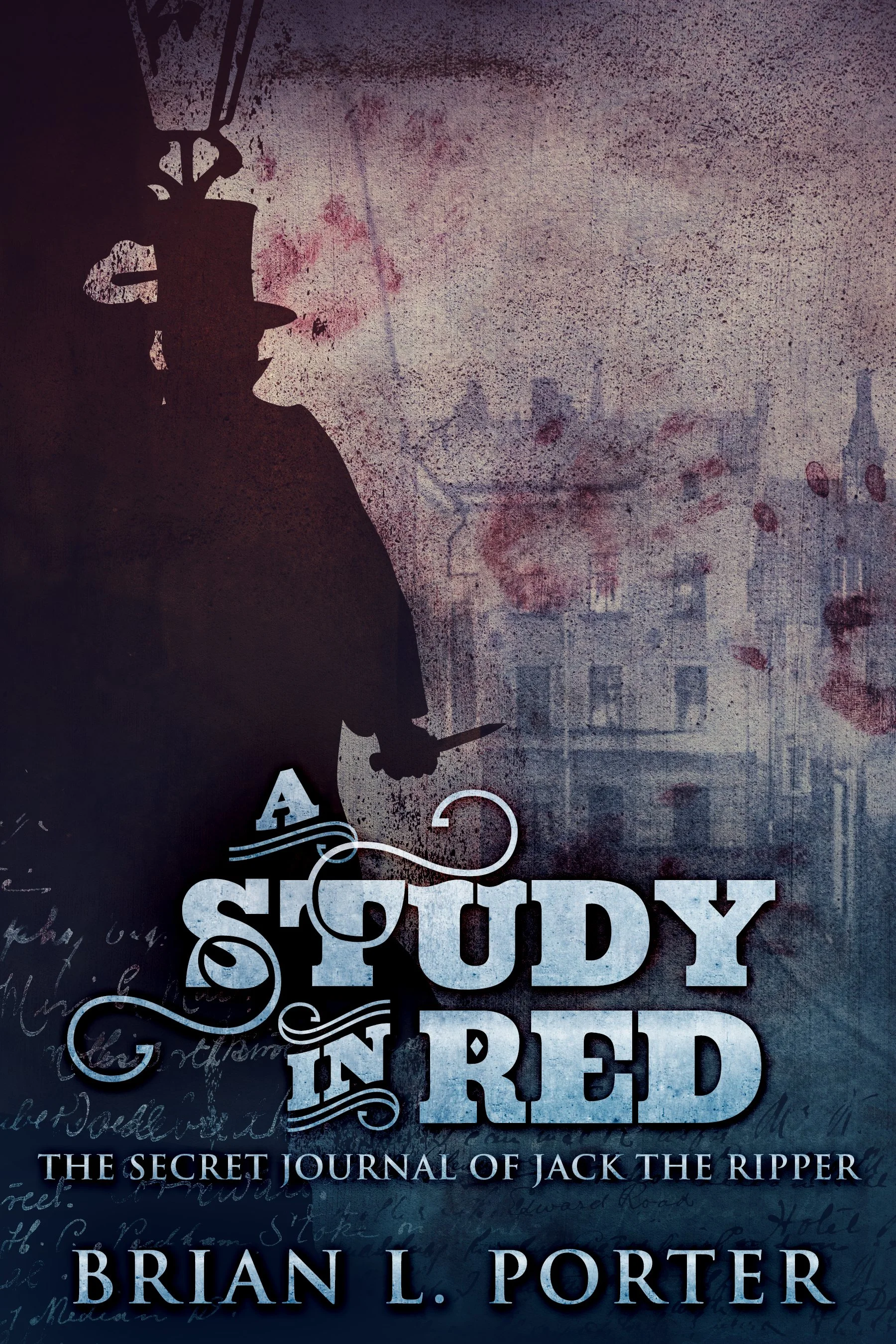
In every life there are thresholds, those fragile places where the familiar order of the world begins to dissolve into something unrecognizable. For Robert Cavendish, a man of science and reason, that threshold takes the form of a bundle of papers—pages that whisper with the weight of history and dread. What begins as curiosity quickly sharpens into compulsion, the kind of pull that unsettles even the most rational mind. Here, obsession is not a gradual drifting but a sudden plunge, a reminder of how easily we can be undone by the very things we seek to understand.
The journal at the heart of Robert’s descent is more than just a relic of Victorian terror; it becomes a mirror in which he begins to see his own vulnerabilities reflected. The words are soaked not only in blood but in the raw essence of human cruelty and darkness, and the psychiatrist—trained to heal minds—feels his own unraveling. The thin line between sanity and madness, so often a clinical concept for him, becomes something intimate, immediate, and perilously unstable. It is as if the voice of the long-dead murderer is not merely read but absorbed, a haunting that presses against the borders of identity.
At its core, this story is not only about crime or history, but about the human fascination with what lies beneath the surface of civility. To stare too long into darkness is to risk finding it within oneself, and Robert’s journey illustrates how knowledge can corrupt as easily as it can enlighten. Obsession here is not a romantic force but a consuming one, stripping away the layers of logic and self-control until what remains is raw, uncertain, and dangerous.
Yet woven through the horror is a meditation on vulnerability—the way even those who seem the most grounded can falter when confronted with forces beyond reason. The journal is a test, not only of Robert’s mind but of his humanity, pushing him to confront the uncomfortable truth that madness and clarity may not be opposites but neighbors separated by only the thinnest of walls. In that space of blurred edges, where fact bleeds into fantasy, lies the unsettling realization that perhaps none of us are as immune to darkness as we might believe.
The narrative lingers long after the final page because it speaks to something universal: the fragility of identity when confronted with obsession, the peril of engaging too deeply with forces that resist understanding. Sanity, it reminds us, is not a permanent state but a balance constantly negotiated, a line that can be crossed more easily than we dare admit. And in that recognition lies both the terror and the truth of Robert’s story.

Sed purus sem, scelerisque ac rhoncus eget, porttitor nec odio. Lorem ipsum dolor sit amet.