



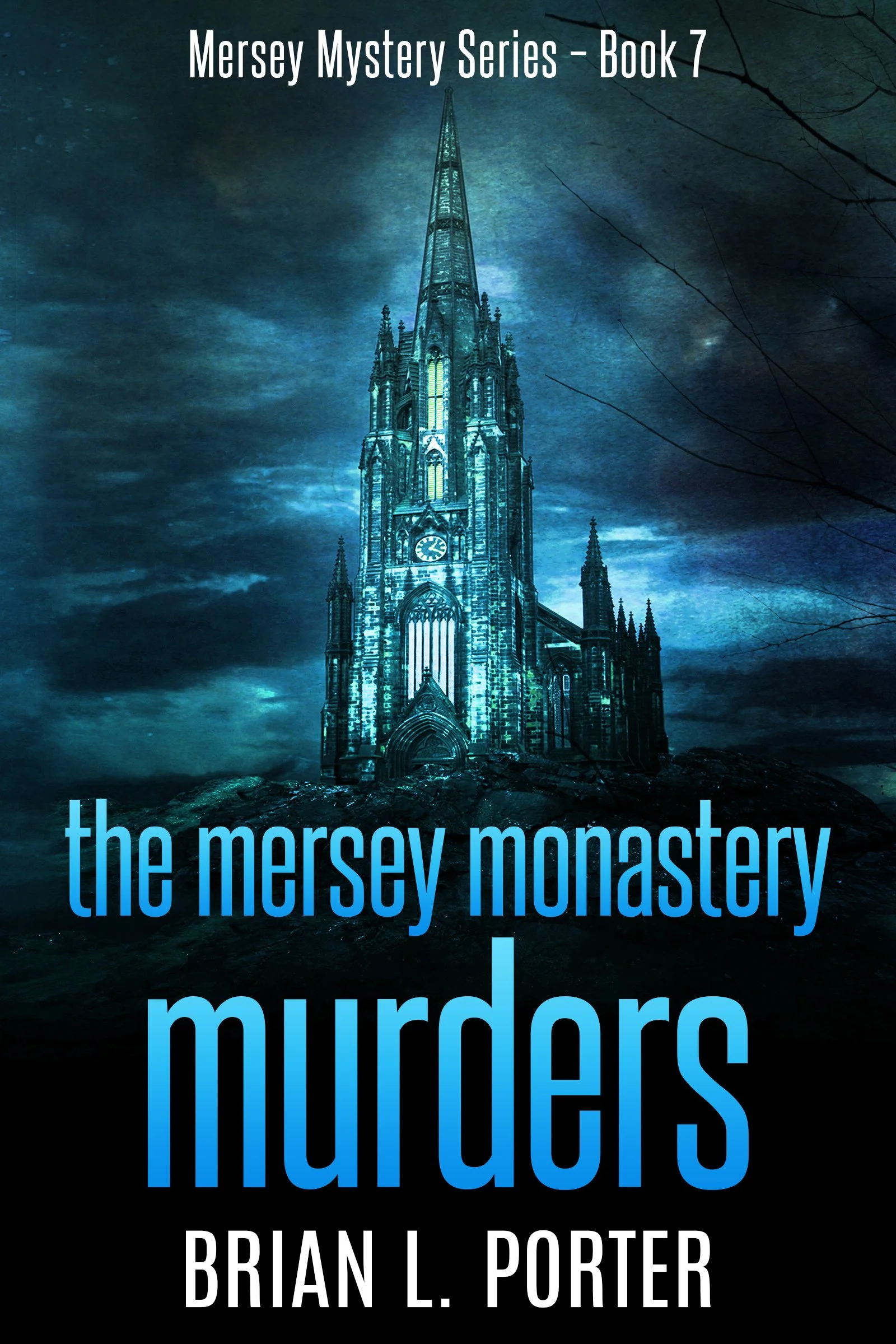
Secrets in the Monastery: Uncovering the Shadows of the Stasi
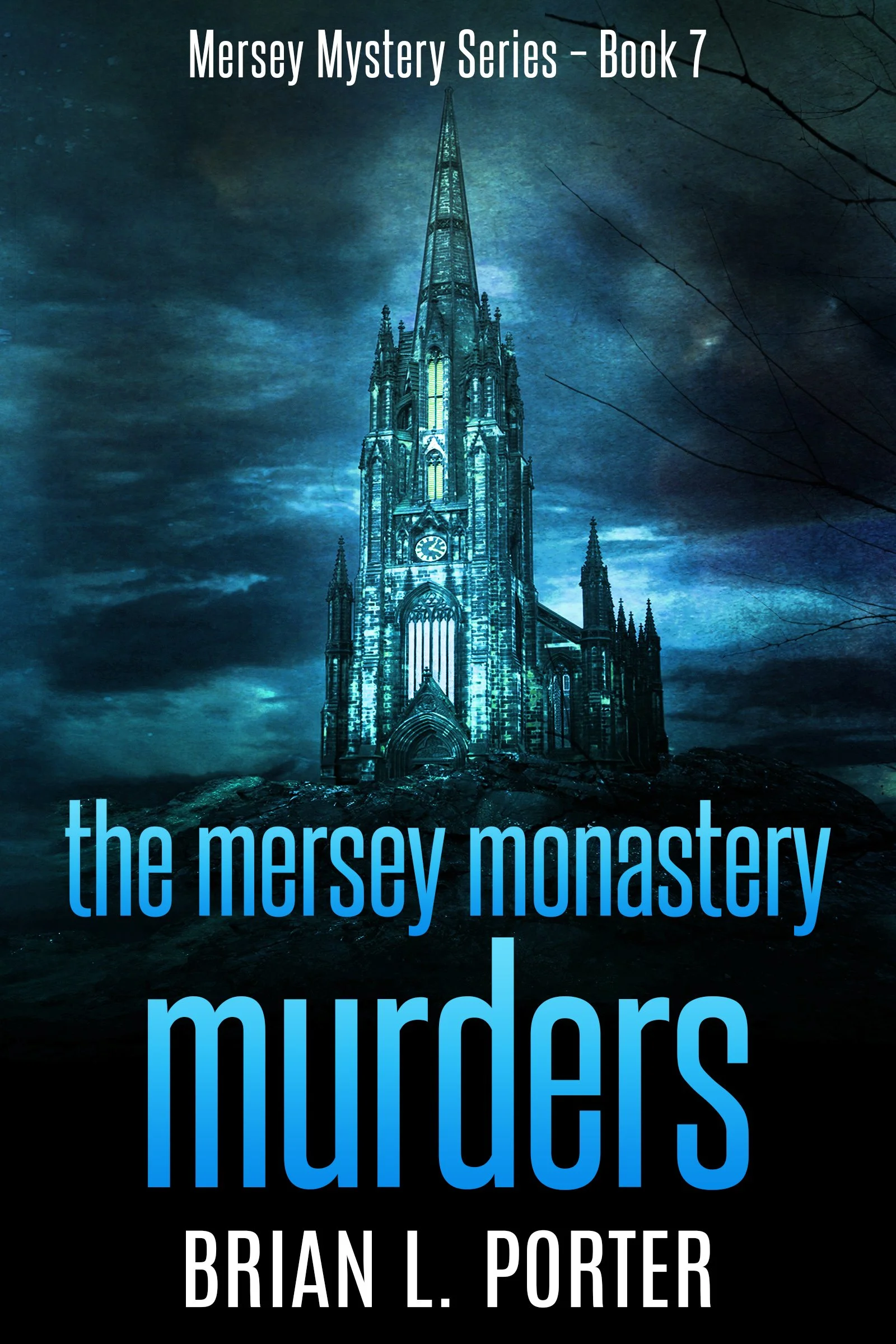
Monasteries are often imagined as havens of silence, reflection, and unwavering faith. The walls that encircle them are meant to shelter lives dedicated to prayer and service, far removed from the chaos of the outside world. Yet, when violence pierces that sanctity, the effect is doubly unsettling. It is not just a life taken; it is the rupture of a sacred trust, a reminder that even the most cloistered spaces are not immune to human darkness.
The quiet routine of monastic life can conceal more than prayer and contemplation. Beneath the gentle rhythm of bells and chants, there may lie hidden histories—old wounds, unspoken tensions, and unresolved conflicts. When a death occurs in such a setting, investigators are not simply sifting through physical evidence; they are navigating layers of secrecy, vows of silence, and complex human loyalties. The serene façade becomes a labyrinth, each corridor echoing with questions.
Reopening a cold case is never an easy decision. Time erodes memories, reshapes narratives, and scatters witnesses to far corners of the world. But when the past refuses to remain buried, it demands reckoning. In the shadow of St. Emma’s Priory, the investigation reaches back into a different era—one defined by fear, control, and the meticulous watchfulness of the East German Stasi. The echoes of that past are not just historical; they are personal, threading through lives that thought they had moved on, only to find old allegiances and betrayals resurfacing.
The Stasi’s legacy is one of silence, manipulation, and the blurring of truth. For those caught in its web, identity was often fractured—loyalties divided between survival and morality. To uncover connections between such a past and present-day murders is to confront the enduring scars of a regime that thrived on secrecy. It is a reminder that political histories are not abstract chapters in a book; they are lived experiences, with consequences that can stretch across decades and borders.
Within the quiet stone walls of the monastery, the contrast between the sacred and the profane becomes stark. The investigation is not just about identifying a killer, but about unearthing truths that challenge the very foundations of trust—both in human relationships and in the sanctity of the monastery itself. And perhaps, in the end, that is the most unsettling truth: that faith and deception can sometimes dwell side by side, bound together by the same walls that were meant to keep the world at bay.





Sed purus sem, scelerisque ac rhoncus eget, porttitor nec odio. Lorem ipsum dolor sit amet.