



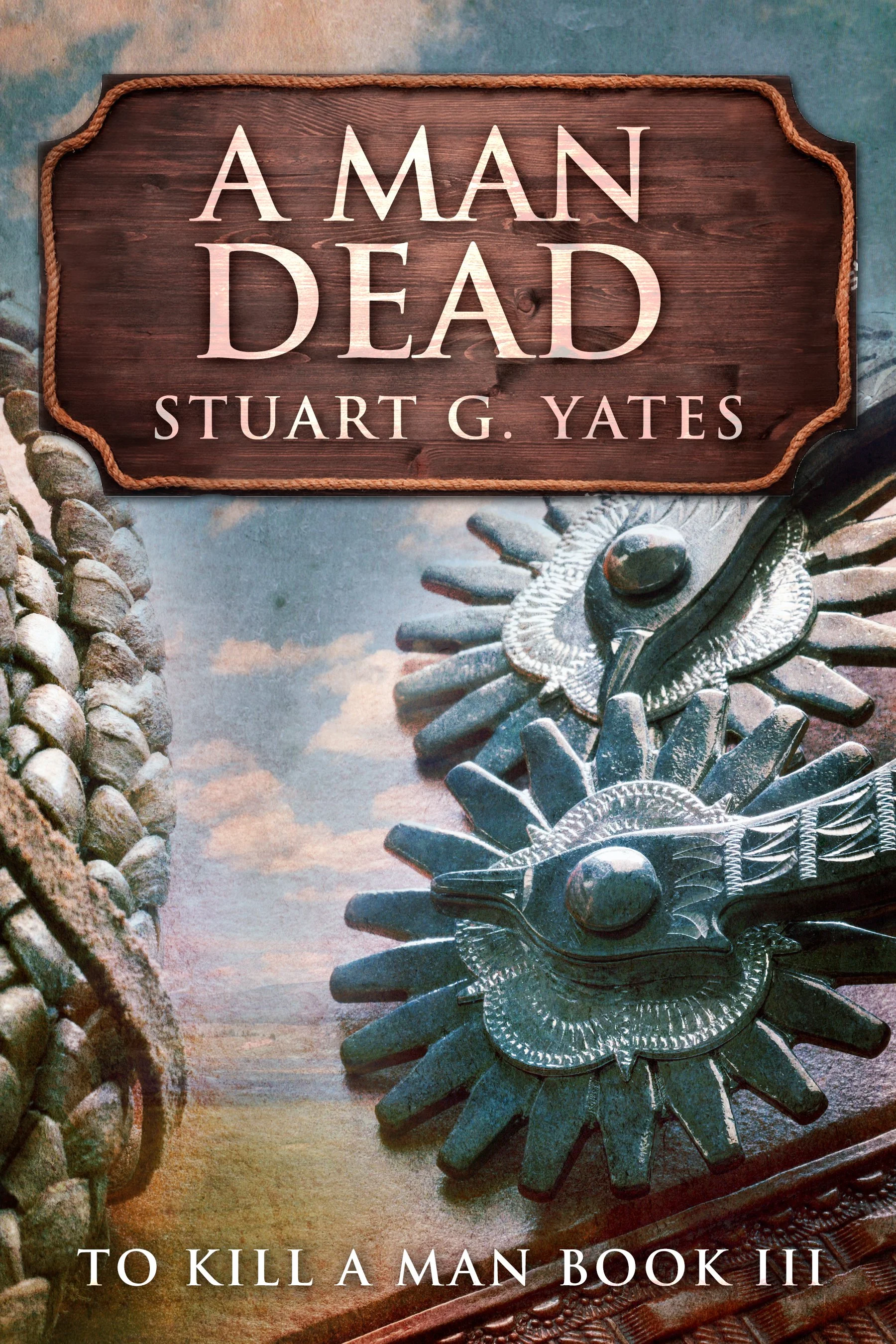
The Price of Vengeance: Love and Redemption on the Road to El Paso
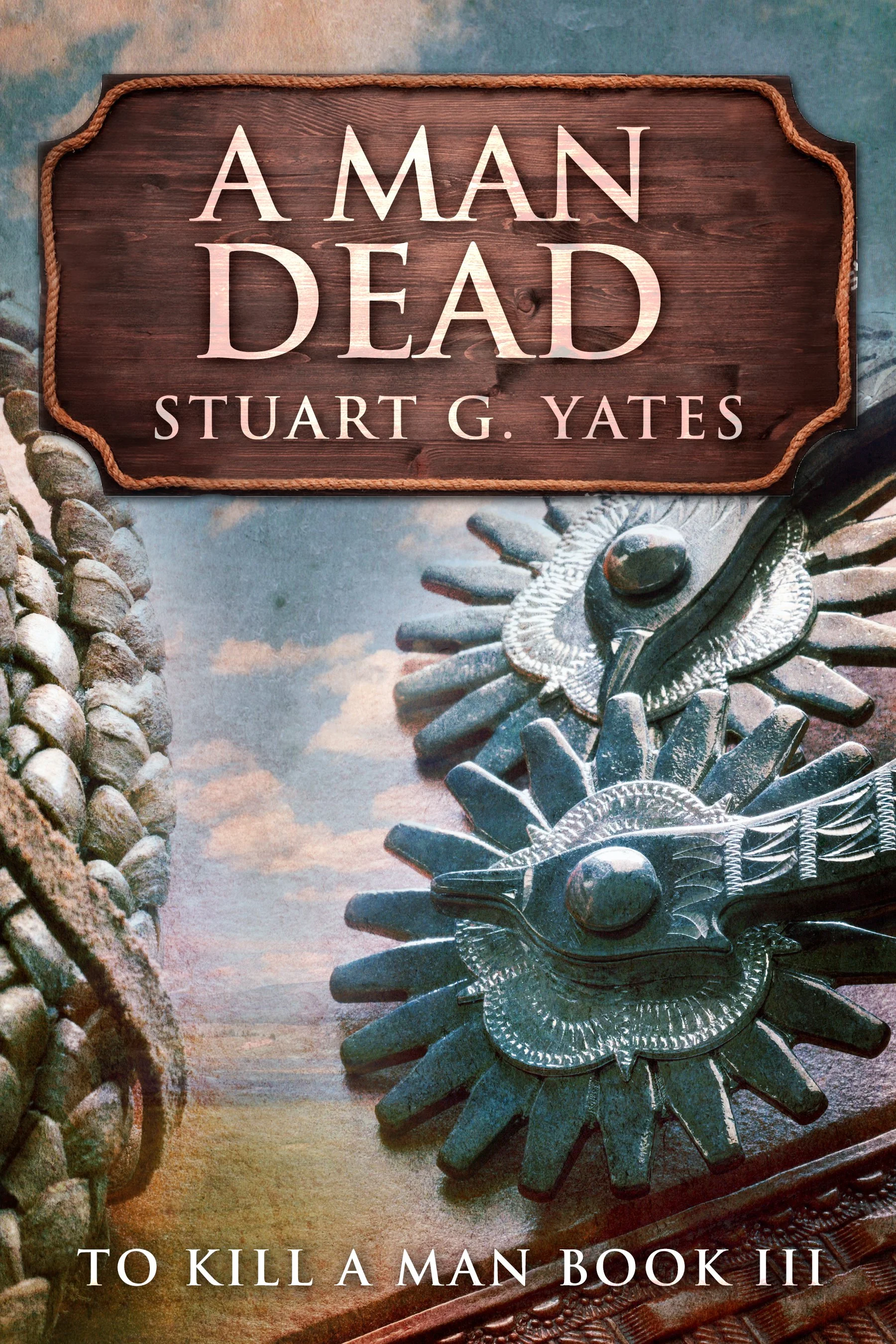
There is something relentless about the road south—a dust-choked passage where vengeance and love ride side by side. In A Man Dead, Gus Ritter follows the ghost of his brother’s death across a landscape scarred by violence, and the trail becomes more than a pursuit of justice. It becomes a reckoning. Every mile toward El Paso is a test of the soul, where the boundaries between duty, guilt, and hope begin to blur beneath the punishing sun.
Vengeance, in this story, is not merely a desire—it is a burden. Gus carries it like a cross, his heart driven by a need to restore order to a life shattered by loss. Yet, as he meets Nati and the weary priest, Father Merry, he begins to sense that vengeance exacts its own toll. The desert does not forgive those who chase ghosts. It strips them bare, leaving only what truth they can carry. Amid the gunfire and fear, Gus discovers that even love cannot erase the darkness that clings to those who have seen too much death.
The violence that haunts their journey is not only physical—it is moral. Attacks from marauding Comanches remind Gus of the fragility of existence, but the deeper battle rages within him. Can a man who kills for justice ever find peace? The road to El Paso becomes a pilgrimage of the heart, and each encounter—every fleeting kindness and every drop of blood—forces him to question the righteousness of his cause. In that way, A Man Dead becomes as much about redemption as it is about retribution.
Love, in Yates’s world, is both salvation and torment. Gus’s feelings for Nati offer warmth in a world of violence, yet that same love binds him to the very dangers he seeks to escape. There is no easy refuge, no safe harbor. Instead, love is something that must endure in spite of the dust, the fear, and the endless echo of gunfire. Through this fragile connection, Gus learns that redemption is not found in triumph, but in understanding—the quiet acceptance that some wounds never truly heal.
When the final confrontation arrives, it is not only bullets that decide fate but truth itself. The revelations that unfold force Gus to look inward, to see that the man he sought to kill and the man he has become are not so easily separated. In that stark recognition lies the book’s haunting beauty: that even in violence, there is the faint outline of grace. On the road to El Paso, love and vengeance travel together—but only one can survive the journey.
Sed purus sem, scelerisque ac rhoncus eget, porttitor nec odio. Lorem ipsum dolor sit amet.