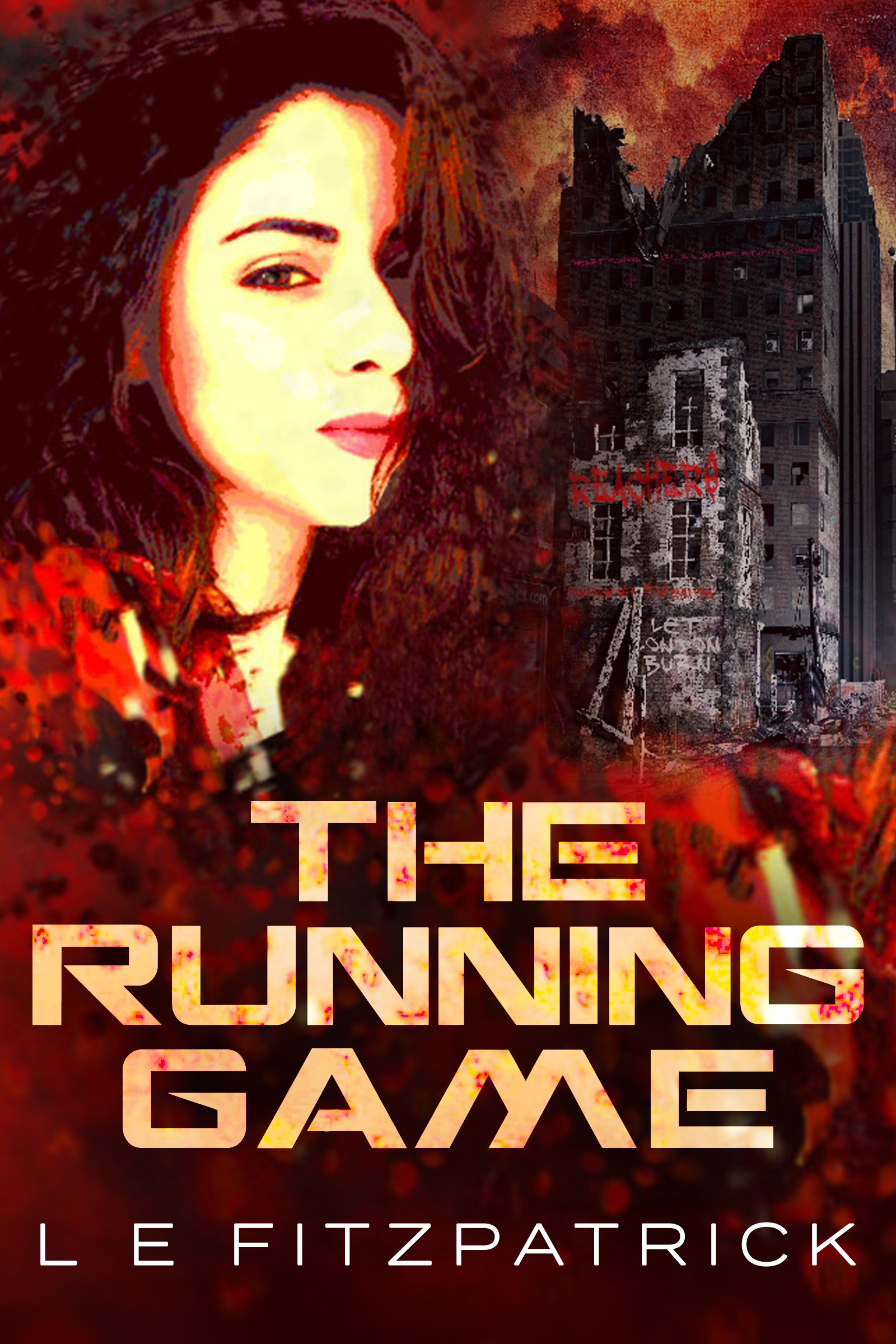
Dystopian fiction becomes immediate when a system interferes with something a character needs: finding family, earning a living, or protecting a child. These selections approach state and corporate power through rescue, work, advanced equipment, and psychic difference. Choose the conflict that feels most compelling, then look at whether the story emphasizes personal resistance, a criminal investigation, or a larger adventure.
Missing memories can turn a familiar life into a problem of evidence. These books use forgotten intervals, returning recollections, and uncertain identities to make characters question what they know about themselves and others. Some follow investigators working alongside the person with memory loss. The selection describes fictional premises without treating those devices as a guide to how real memory conditions behave.
Contemporary romance often finds its strongest obstacles in ordinary commitments: work, family, a painful history, or the fear of trying again. These selections include hometown returns, unfamiliar communities, travel, and relationships linked to music or a bakery. Their emotional weight varies, with some addressing abuse or bereavement. Choose the kind of beginning you want to follow rather than expecting every story to be light.
Time travel creates different problems depending on why the crossing happens. An accidental doorway is not the same as a planned mission to prevent a disaster, and recurring lives offer another variation again. These six books include historical encounters, threatened futures, and relationships stretching beyond one period. Compare the purpose of the journey as well as the destination before choosing a story.
Noir often follows people whose choices make an already difficult situation worse. These books approach that pressure through criminal partnerships, drug trafficking, a collection of violent encounters, and a speculative business built on other people's dreams. The settings and lengths differ, but each offers a compromised world. Choose the voice or central bargain that makes you want to see how far it goes.
A fantasy series needs an opening that gives you both an immediate problem and a reason to care about a wider world. These six starting points include a warrior answering an invasion, a novice investigator learning forbidden magic, and allies whose powers cross into mythology. Read the notes for the central situation, then choose the characters you would like to follow further.
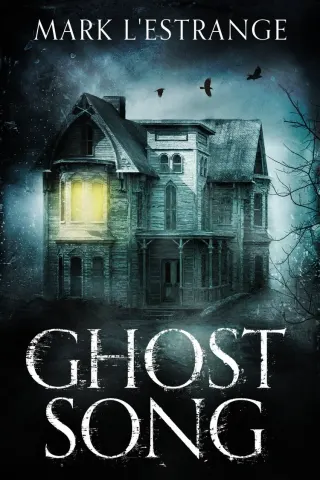
Horror can make an old building threatening, a familiar person unreadable, or an ordinary desire dangerous. This selection ranges across haunted places, supernatural battles, violent pursuits, and short-story collections. Historical settings sit beside contemporary ones, and some books are part of series. Use the notes to choose the source of unease that interests you, while remembering that intensity and subject matter vary.
A spooky story can begin with a hopeful move, a comforting meal, or an encounter that seems to offer an opportunity. These selections unsettle those expectations through haunted places, transformation, and secrets hidden inside ordinary settings. They include both novels and collections. Choose a sustained mystery when you want to remain with one threat, or shorter fiction when you want several different encounters.
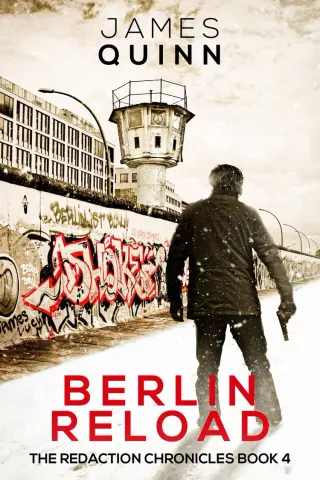
A divided city can turn an everyday decision into a dangerous act. Berlin's closed border, Cold War loyalties, and uncertain escape routes provide a strong setting for suspense, but a title alone cannot establish where a book takes place. This selection concentrates on stories with a supported connection to the city and identifies the kind of personal pressure each premise creates.
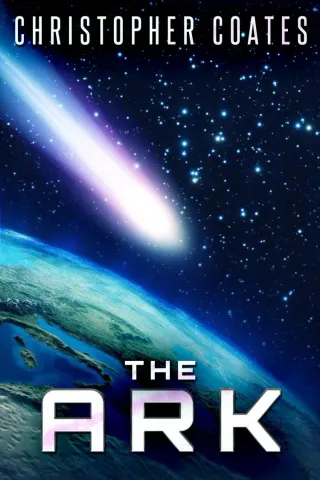
Stories of catastrophe can begin while people are trying to prepare or after the structures they relied on have failed. These selections follow hidden shelters, dangerous journeys, armed groups, and captivity in a changed world. Some mix the aftermath with fantasy or Western adventure. Choose whether you want the immediate problem of staying alive or the uncertainty of discovering what remains outside.
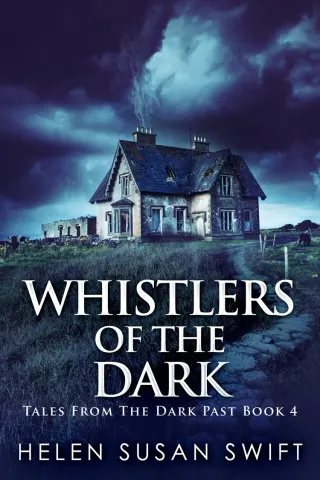
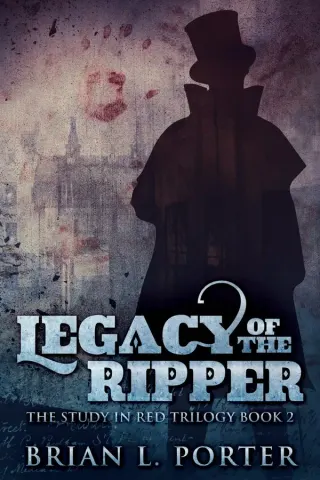
Historical horror can keep its characters in an earlier century or let something from that century break into the present. These books use both approaches: a troubled Edinburgh, an old house, a Ripper-linked inheritance, and a medieval burial ground. The notes distinguish past settings from later consequences. Choose a period atmosphere or a returning threat according to the kind of unease you prefer.