



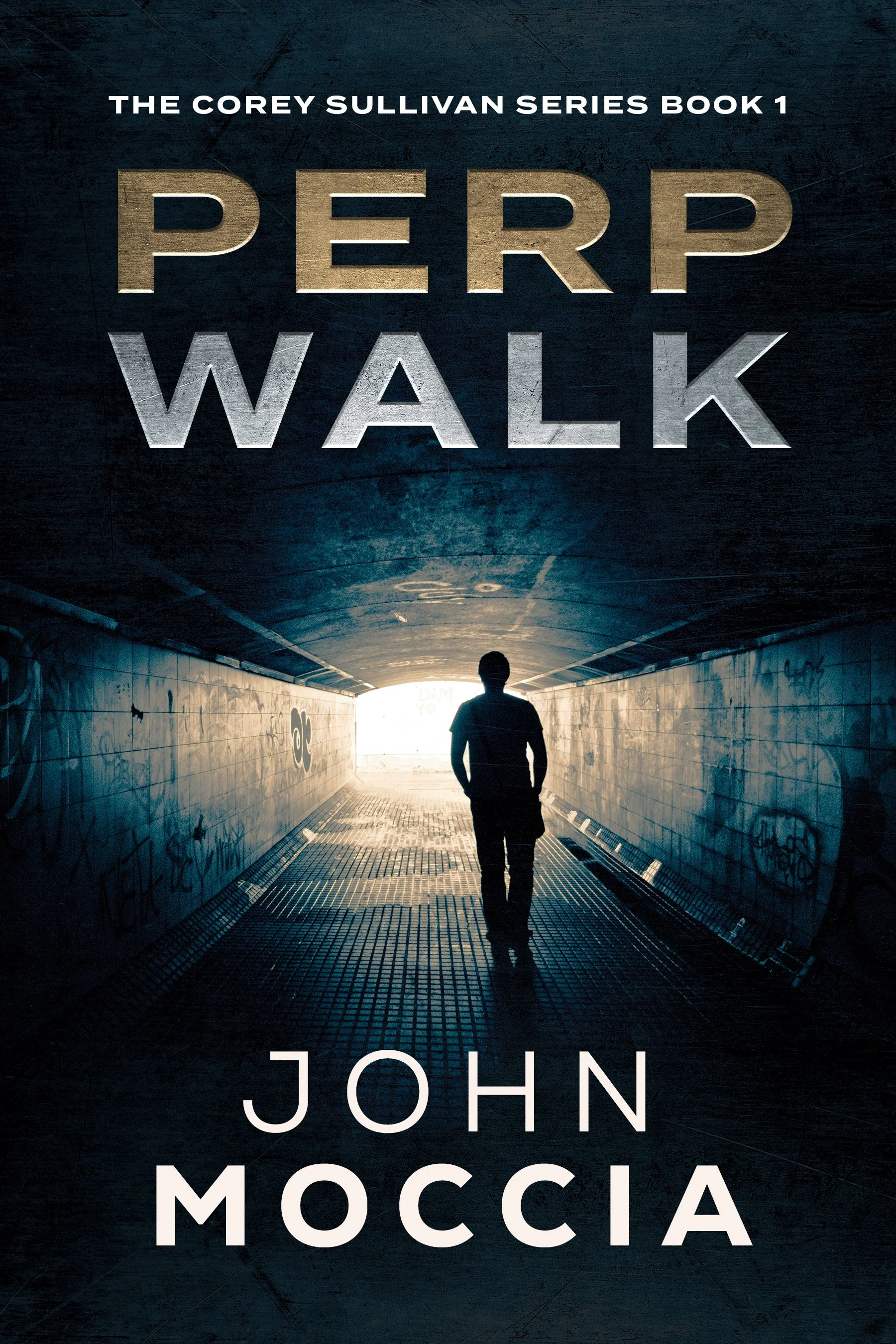
Perp Walk (The Corey Sullivan Series Book 1)
A Probation Officer. A Crime Lord. A Dangerous Game of Control.
U.S. Probation Officer Corey Sullivan is no stranger to hardened criminals—but Manu Salaber is different. A notorious enforcer turned criminal kingpin, Manu once bent the legal system to his will, operating above the law and beyond fear. Now, freshly released from federal prison, he’s under Corey’s supervision—and the stakes couldn’t be higher.
Tasked with managing Manu’s reintegration into society, Corey sees more than just a case file—he sees a challenge that could define his career or destroy it. What follows is a tense, morally layered battle of wits and power, where manipulation runs deep and no one is ever fully in control.
PERP WALK is the razor-sharp debut in the Corey Sullivan series by John Moccia, blending psychological intensity with insider authenticity to deliver a gripping thriller unlike any other.
Start reading Perp Walk today and step into the shadows of power, justice, and survival.
Excerpt from the book
It was the first Monday, the longest day of the month. Reporting Week had commenced, and the afternoon rolled on ever so slowly. Participants on both sides of the desk met each interview with joyless anticipation. The convicted—wave upon wave of the district’s federal offenders—trooped into the obscure suite of offices known almost only to them, buried down a back hallway on the first floor of the US Courthouse. It was the monthly march of the felons. Known internally as the Perp Walk.
The offenders checked in as required to update their probation officers on significant events in their closely monitored lives. They submitted monthly reports. They made minimal payments on their fines or restitution. They pissed into cups and danced around probing questions.
These men and women formed an eclectic lot: from street gang members to upper-level racketeers, embezzlers, drug or gun traffickers (manufacturers, smugglers, distributors), counterfeiters, bank robbers, and corrupt ex-public officials.
Some knew each other from having come up together on the same hard blocks or from shared cells in various institutions. Some were lifelong friends. As many were lifelong enemies. Some were friends turned enemies, having bartered their relationships for leniency before the Court.
What they had in common was that they were permitted freedom only conditionally. They were on Federal probation, parole or supervised release. Generically, as they liked to say, they were “on paper”. They were not permitted to associate with one another outside of these doors. If they tripped on their stories or had been caught fucking up, their freedom could be revoked.
They filed in morosely—some even sullenly. No matter how well they’d been doing, each visit here was a reminder of a very bad day, the day a set of cuffs had been attached when they were informed that the party was over.
Once in the office, they went first to the counter, signed in and picked up a clipboard to complete a monthly report. They extracted a BIC pen from a large jar and took a seat in rows four-deep and five across, waiting to be called by their assigned officer.
Two things are certain for the convicted federal criminal: Death and visits to the United States Probation Office. Until this day no one expected these two events to coincide.
The crowd in the reception area faced a counter topped by a thick bulletproof glass separating them from the secretarial pool. The glass was the last line of defense from potentially irate clients—who, by definition, were not known for behavioral restraint.
On the business side of the glass, there were four stenos and a senior clerk. The most junior steno—the one closest to the counter—acted as greeter, offering each arrival a pleasant good day and any instruction that might be required. The rest of the stenos—each assigned to a specific officer—busied themselves typing while monitoring the people assigned to their POs.
At 1:15, USPO Anthony Carbone bid farewell to a probationer, checked the waiting list, then asked the greeter to send in Mr. Richard Washington. The greeter went to the counter and spoke into the small microphone.




Sed purus sem, scelerisque ac rhoncus eget, porttitor nec odio. Lorem ipsum dolor sit amet.