NEXT CHAPTER BLOG
Blurring Realities: How Surrealism Works in Poetry
Learn how surrealism works in poetry through unexpected images, dream logic, and association, with practical questions to guide your next close reading.
Share
A literary starting point
Surrealism in poetry asks what language can do when familiar connections loosen. An image may join things that do not belong together in ordinary life, or a poem may move by association instead of explanation. The useful question for a reader is not simply whether the scene is realistic, but what its unusual connections make possible.
André Breton’s 1924 Manifesto of Surrealism gives the movement a literary foundation. It describes an ambition to express thought beyond the control of reason and gives dreams and unexpected associations a central role. Surrealism therefore cannot be explained as a visual art movement that only later found its way into writing.
Follow the image before decoding it
When a poem becomes strange, begin with what is on the page. Which objects appear together? What changes shape? Does a repeated word connect two scenes that would otherwise seem unrelated? Those observations provide a more useful starting point than assuming every image has a hidden translation.
Next, notice the emotional movement. An impossible scene can feel playful in one sentence and threatening in the next. Ask which sounds, verbs, or shifts of scale produce that change. You do not need to settle on a single symbolic meaning before noticing how the language affects your reading.
Dreamlike writing also need not make a scientific claim about dreams. A poem can borrow discontinuity, surprise, or transformation as artistic devices without speaking for every person’s inner experience.
Bring those questions to contemporary poems
Use these questions as reading tools rather than a test every unusual poem must pass. Myth, fantasy, and surrealist technique can overlap, and an individual passage deserves attention before it receives a label.
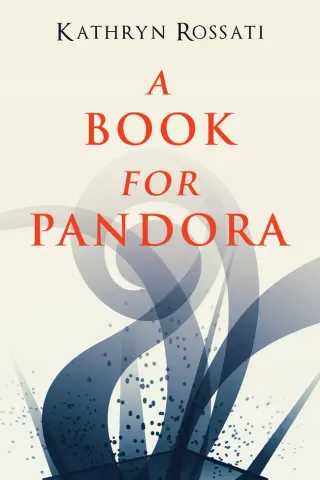
For a poetry title to explore next, see A Book For Pandora by Kathryn Rossati below. Apply the questions to the poems themselves and let their language guide your interpretation.
Sources and further reading
FROM THE NEXT CHAPTER CATALOG