



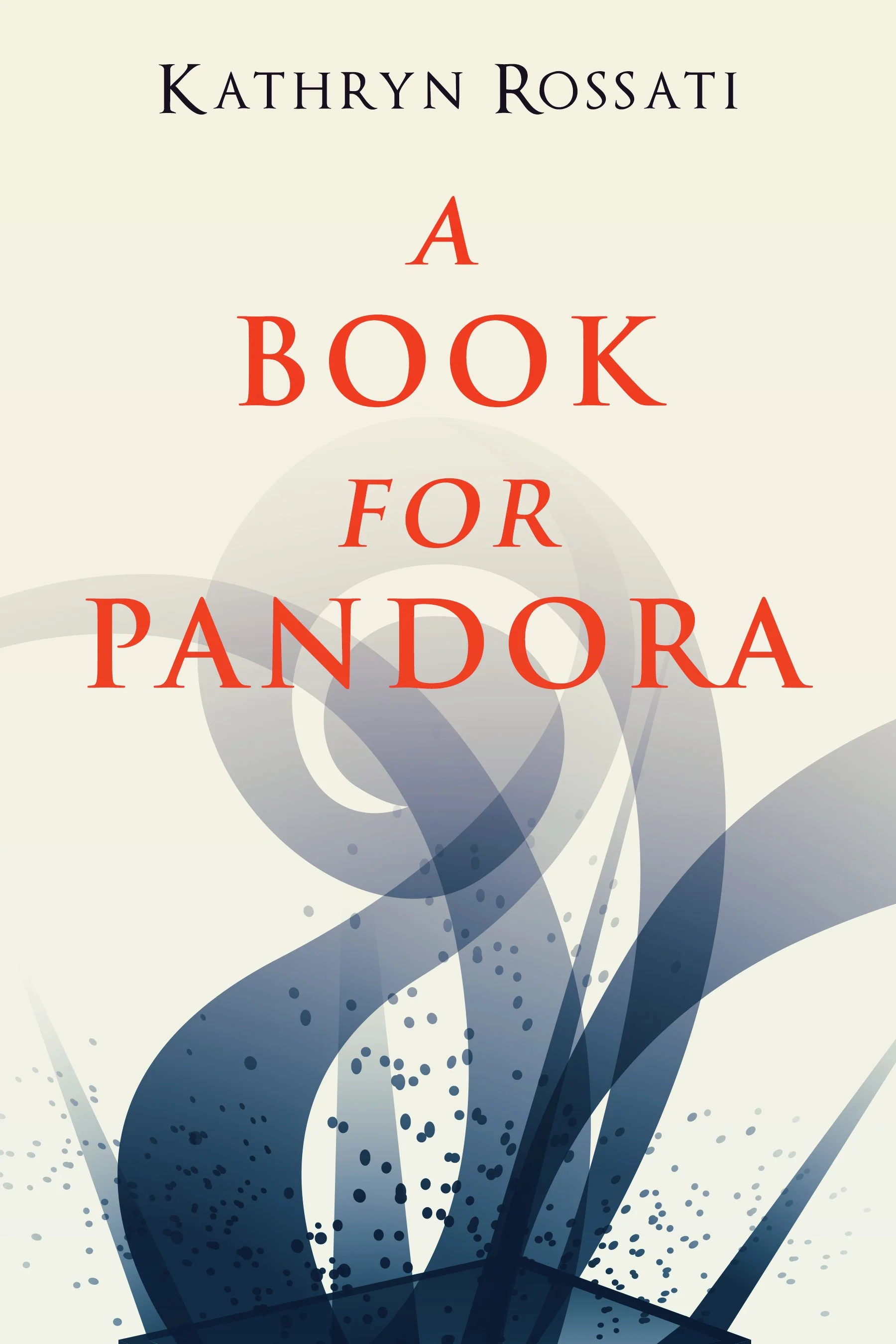
Healing After Loss: Exploring Myths in Poetry through Imaginative Reflections
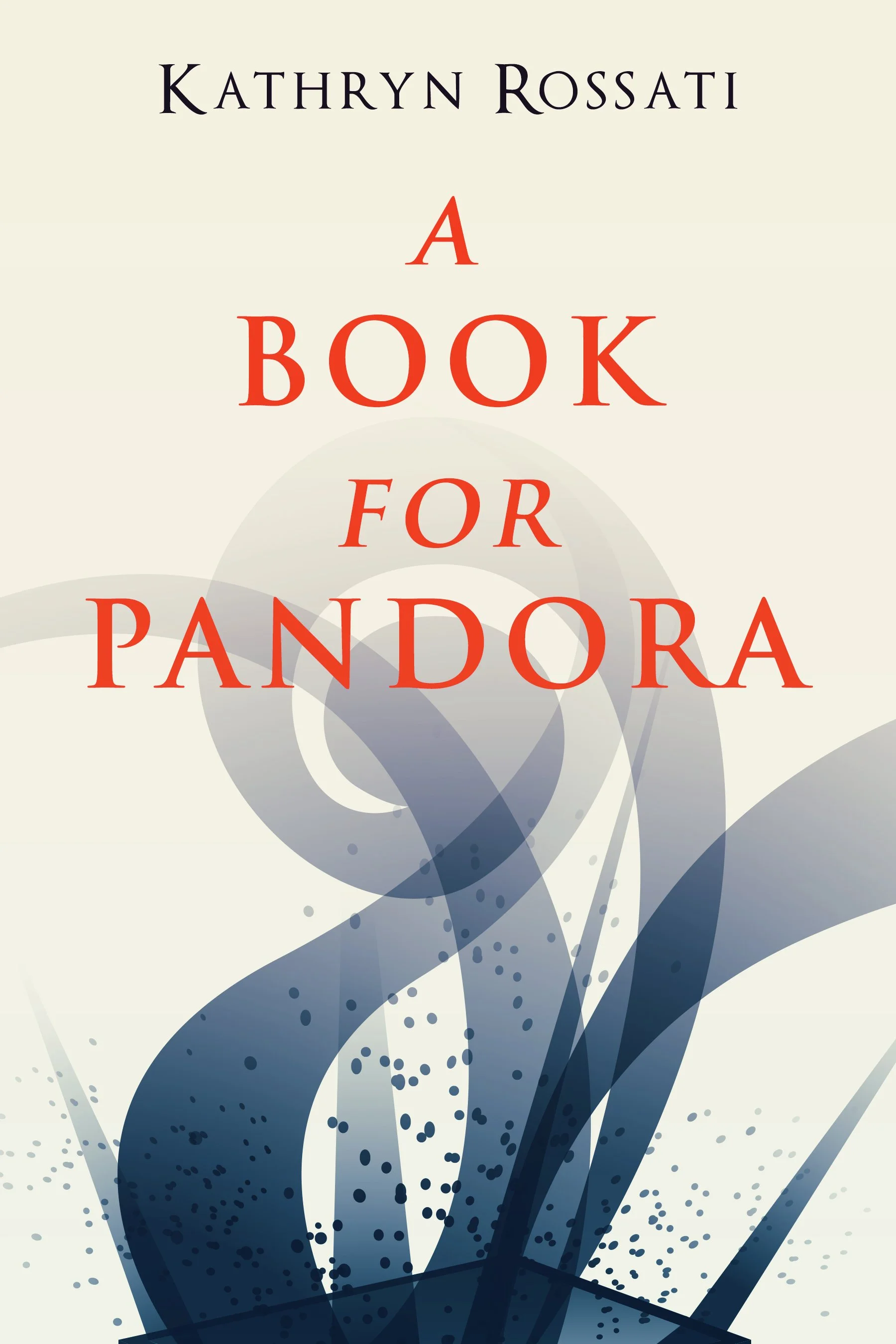
The poems in A Book For Pandora live in that delicate space where grief and wonder meet, inviting readers on a journey of healing after loss. Kathryn Rossati’s debut collection casts myth and fairy tale in new lights, revealing the ways ancient stories speak to modern hearts. In this collection, each piece moves between surreal and sinister, light and playful—and in doing so shows how narrative and emotion thread together to express something deeply human.
At their core, the poems explore love and loss through mythic lenses, turning classical archetypes into living, breathing reflections on grief. There’s a resonance in imagining Pandora not as a caution but as an intimate companion to our own curiosity and fear. In weaving these threads, Rossati doesn’t offer simple answers—she paints a world where sorrow is tangled with beauty, and where healing is not linear but layered in metaphor and mystery.
Beyond personal grief, these poems offer commentary on society and the self. The surreal tone in many pieces unsettles and challenges: what we think we know shifts in the face of fairy‑tale logic. The sinister becomes symbolic of cultural wounds, while playful moments expose unspoken longing or resilience. This shifting tonal palette lends itself to reflections on humanity—how we carry memory, how we shape identity, how we create meaning from myth and metaphor.
Yet there’s a tenderness in the collection as well. In quieter poems, nature becomes a companion, and love—whether lost or ongoing—is gently examined. Loss feels sacred rather than merely painful; beauty flickers in the smallest detail. These lines linger—soft echoes of self‑discovery and acceptance, asking who we become once the world has changed irrevocably.
Myth here becomes more than borrowed lore—it acts as living lyric, reshaping the ordinary into something rich and resonant. As readers move through the collection, they are invited to sit with paradox: light alongside darkness, ancient story alongside modern longing. And in that space, to find not an ending but a process—a reckoning and a renewal, softly etched in verse.
In A Book For Pandora, Kathryn Rossati offers more than poetry; she offers a tapestry of reflection. Her weaving of myth, grief, society, nature, and love creates poems that feel both intimate and archetypal. This is a work that whispers across time—that loss may be inevitable, but in the weaving of story we find the possibility of healing, wonder, and ultimately, understanding.



Sed purus sem, scelerisque ac rhoncus eget, porttitor nec odio. Lorem ipsum dolor sit amet.