



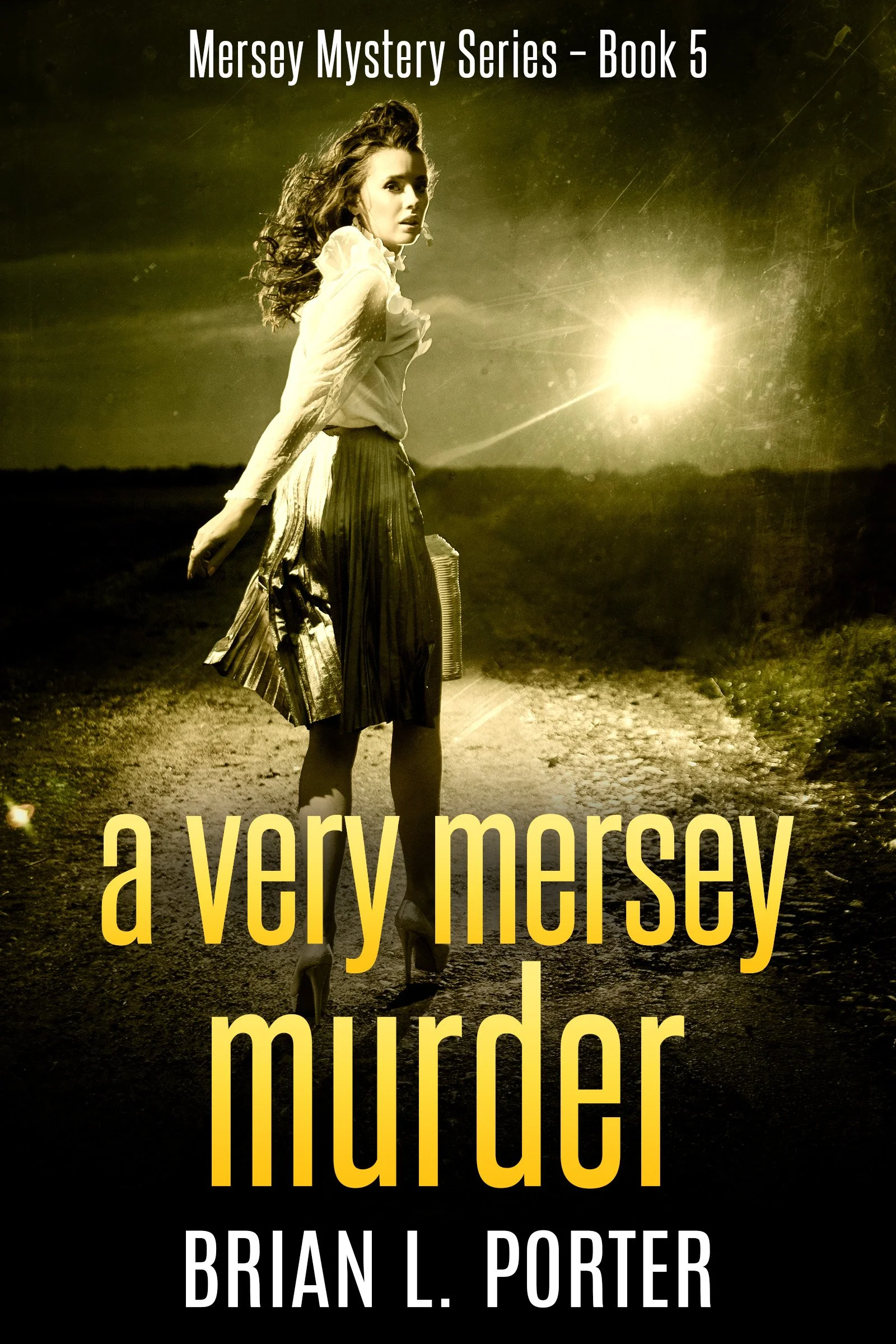
Cold Case Murders: Revisiting the Shadows of the Past
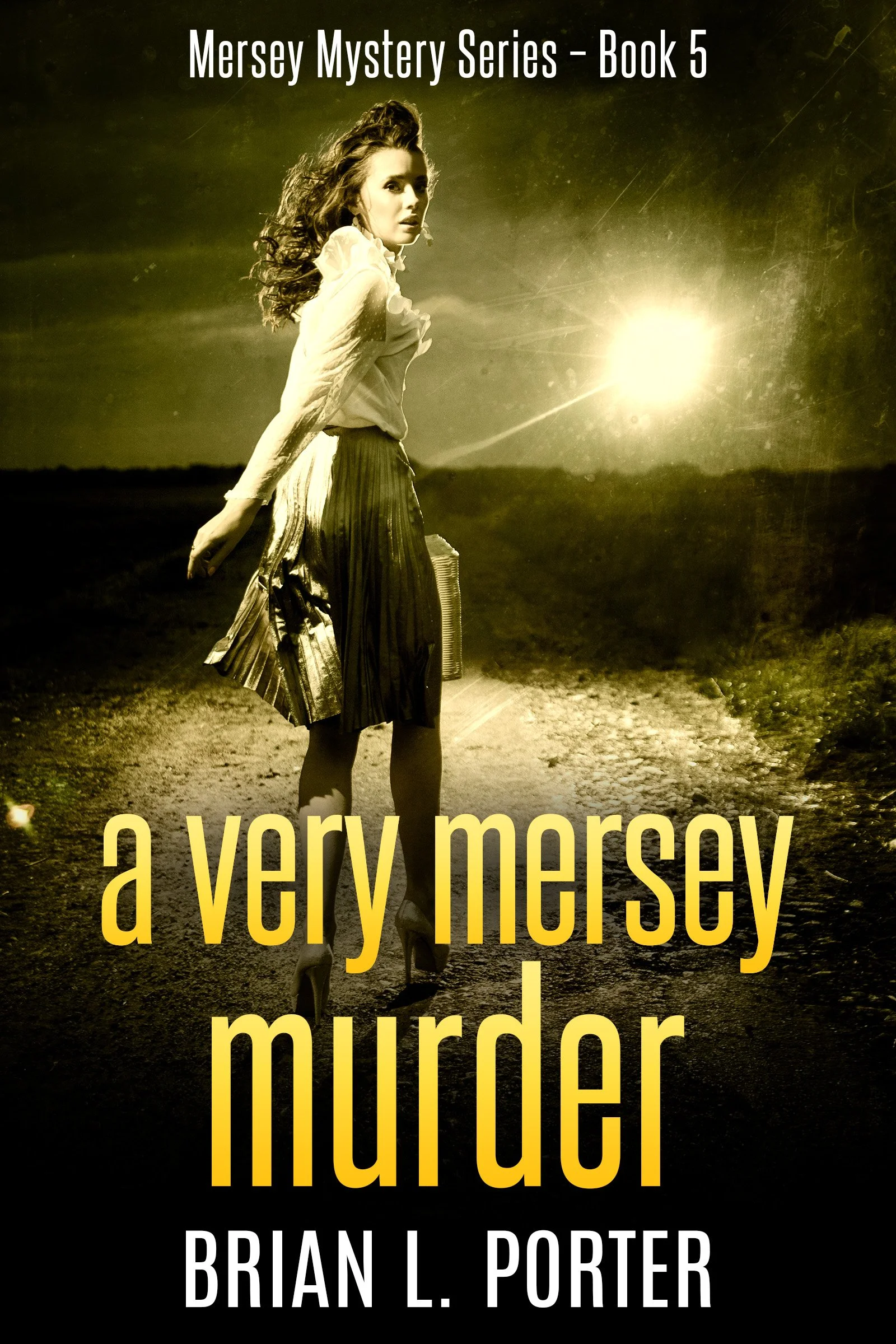
Some crimes seem to slip beyond time, their jagged edges cutting through the decades with undiminished sharpness. The murders near the old lighthouse on the Liverpool coast belong to this unsettling category—killings that haunt not just the archives, but the collective memory of a place. In 1966, while the nation celebrated its World Cup victory, another story was being written in the darkness: the brutal death of a young barmaid, followed by two more murders, all without resolution. The lighthouse stood silent then, a looming witness incapable of speech, but heavy with unspoken knowledge.
When violence reappears nearly forty years later, it’s more than a grim echo—it’s an intrusion of the past into the present, as though time itself has been forced open. The return of these killings challenges not only the detectives assigned to the case, but the very notion of safety that communities cling to. Cold case murders are unsettling because they suggest that danger isn’t bound by the calendar; it can wait, bide its time, and choose the moment to resurface. For those tasked with solving such cases, the question is never just who did it, but why now.
The location itself becomes a character in this kind of investigation. The abandoned lighthouse, perched on the edge of land and sea, is a place of both warning and isolation. Once built to protect sailors from unseen danger, it now stands as a paradoxical landmark—visible, yet harboring secrets. In fiction and reality alike, such places gather emotional weight over time, becoming sites where memory and mystery fuse. Each stone, each salt-worn beam, feels steeped in the tragedies that unfolded in its shadow.
Investigating the past is never a neutral act. It demands confronting not only the facts that were missed or hidden decades earlier, but also the grief that has been quietly enduring all those years. For the families of victims, the reopening of a case can be both a wound and a balm—an opportunity for long-delayed justice, but also a reminder of loss that never truly faded. For detectives, the pursuit is equally double-edged: solving a cold case offers a rare chance to right old wrongs, but failure carries the weight of knowing history has repeated itself.
In the end, the past doesn’t stay buried simply because we will it to. It lingers, sometimes quietly, sometimes violently, asking to be faced. And in those rare moments when the truth finally comes to light—whether in the beam of a lighthouse or the clarity of an investigation—it becomes clear that time is not the enemy of justice. Silence is.


Sed purus sem, scelerisque ac rhoncus eget, porttitor nec odio. Lorem ipsum dolor sit amet.