



Cold War Spy Fiction: Inside the Psychological Toll of Covert Operations
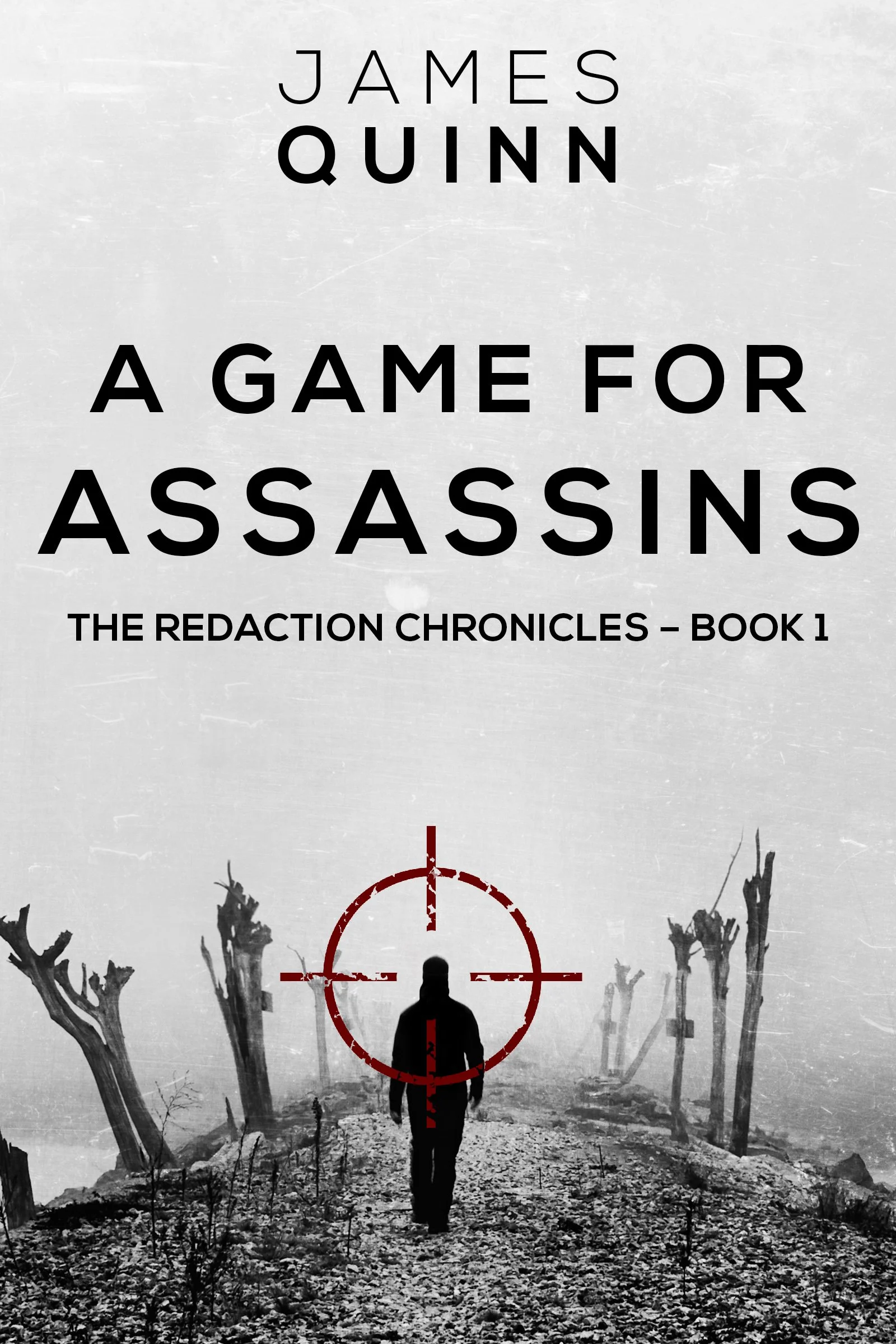
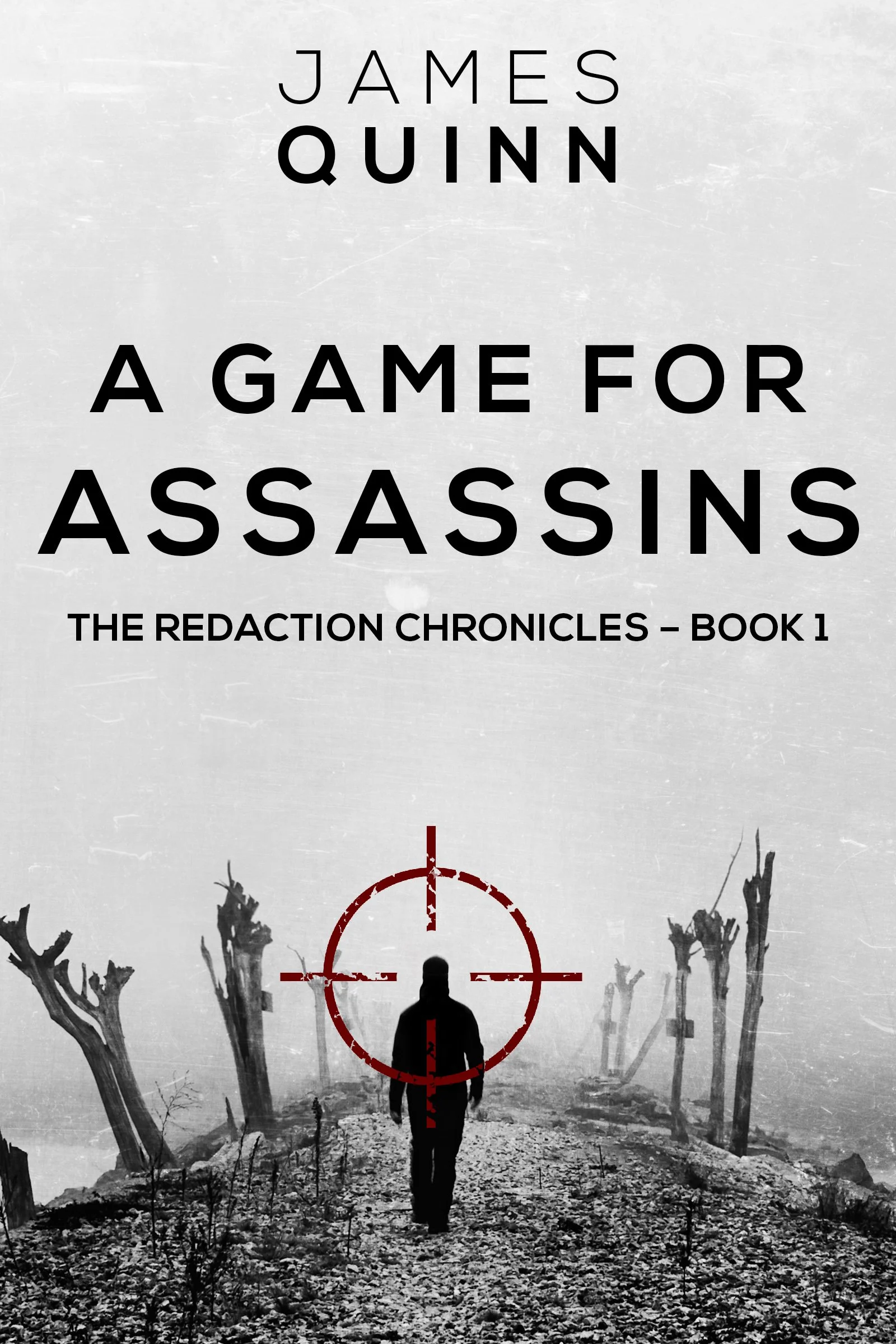
In the shadowy world of Cold War spy fiction, the true cost of espionage is rarely measured in blood alone. It’s weighed in paranoia, betrayal, and the erosion of self. James Quinn’s A Game For Assassins immerses readers in this unforgiving terrain, where MI-6 operative Jack “Gorilla” Grant is sent to hunt a mysterious group of assassins targeting British Intelligence. But what begins as a mission to eliminate threats soon transforms into something far more personal and corrosive: a confrontation with the brutal machinery of covert loyalty.
Set against the charged backdrop of 1964, a time when ideology and identity were constantly under siege, the novel evokes the haunting psychology of an era defined by suspicion. Jack Grant, an outsider among his polished peers, becomes a vessel through which the human cost of espionage is explored. His lack of refinement and brute pragmatism position him as an anti-hero—one who must survive not only the bullets of enemies, but the indifference of the system he serves. In Grant’s world, trust is dangerous, emotion is expendable, and clarity is a luxury rarely afforded.
What’s so arresting in this story isn’t just the intrigue or the high-stakes action—it’s the sense that every operative, friend or foe, carries within them a fractured sense of reality. The wilderness of mirrors isn’t merely a phrase; it’s the lens through which every decision is distorted. When betrayal can come from any direction, and moral certainties blur into survival instincts, the distinction between mission and identity collapses. Spy fiction of this sort doesn’t just entertain—it indicts the cold mechanisms that demand men like Grant exist in the first place.
At its heart, A Game For Assassins is less a celebration of clandestine exploits than it is a requiem for those lost to them. Readers are left questioning who, if anyone, wins in this world of sanctioned deception. Grant may be one of the best “Redactors” in the game, but even he is vulnerable to the psychological fragmentation that comes from living too long without absolutes. His fight is not only with external threats but with the internal erosion of what it means to be human in a world that prizes secrecy above soul.
James Quinn, a former operative himself, writes with the knowing gravity of someone intimately familiar with these trade-offs. His experience breathes into every shadowed alley, whispered betrayal, and silent kill. This isn’t espionage wrapped in glamour—it’s the frayed reality of men operating in permanent moral twilight.


Sed purus sem, scelerisque ac rhoncus eget, porttitor nec odio. Lorem ipsum dolor sit amet.