



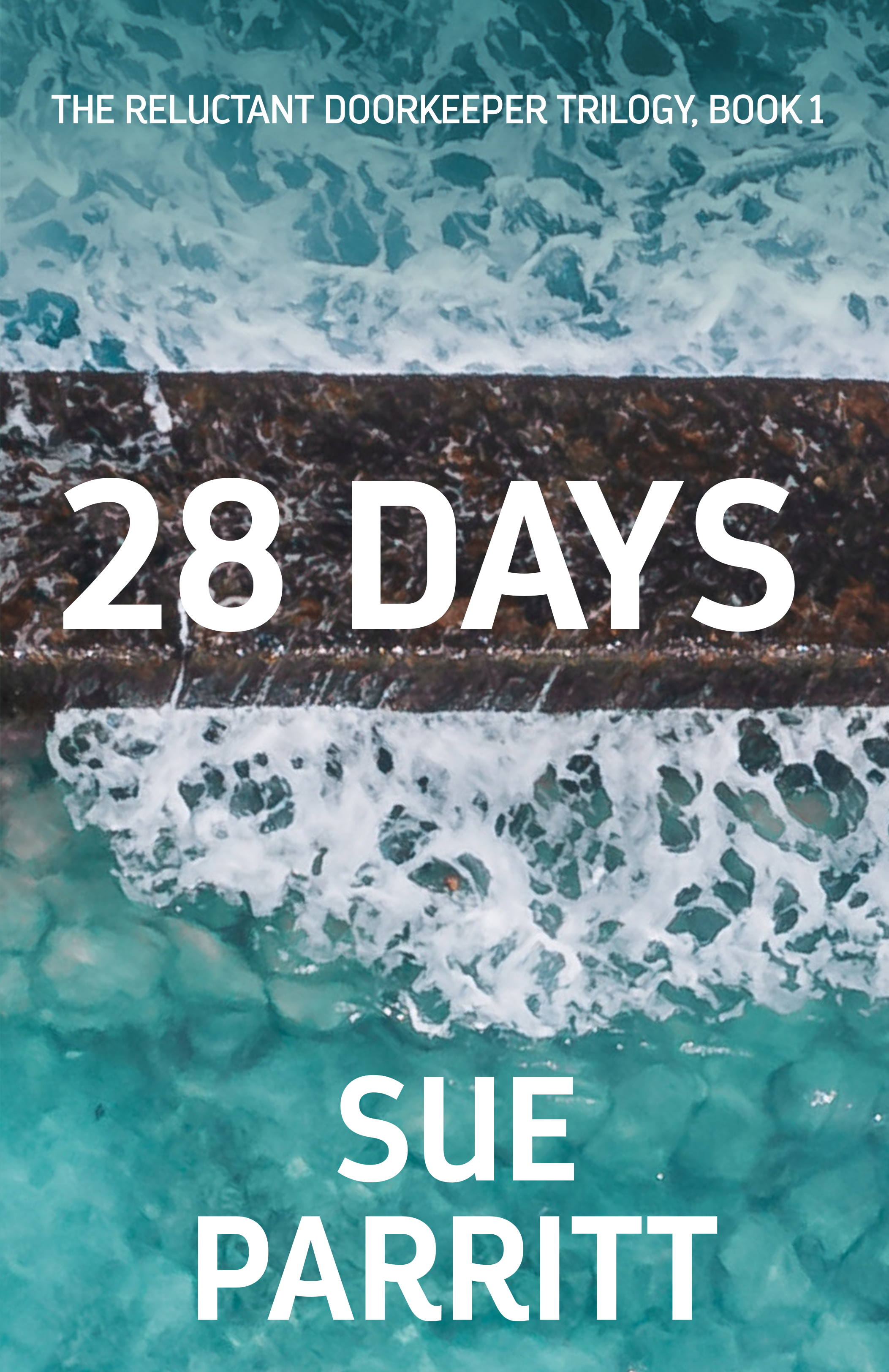
Surviving In A Dystopian Society: The Emotional Cost Of Civil Disobedience
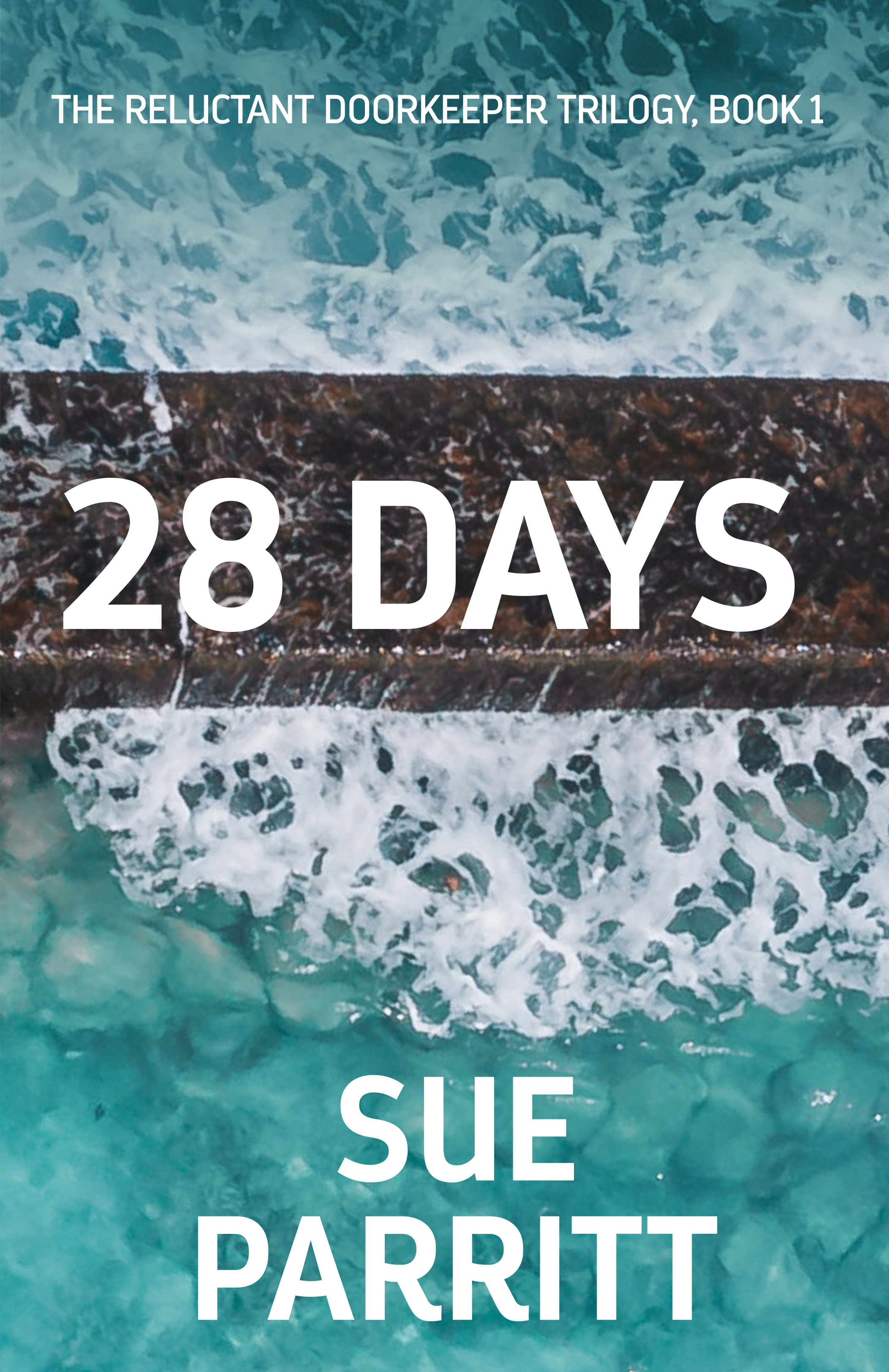
In a world where survival hinges on submission, how does one preserve dignity, autonomy, and love? 28 Days, the first novel in Sue Parritt’s The Reluctant Doorkeeper Trilogy, navigates this stark terrain with an unflinching eye. Set in a Melbourne of the future—where unemployment carries the weight of criminality and aging is synonymous with disposability—it follows the haunting final countdown of Emma Cartwright’s government-allocated freedom.
There’s an aching tension in the premise: 70-year-old Emma, still full of purpose and grit, is forced to choose between enforced labor, state-sanctioned euthanasia, or outright rebellion. Her son Jack’s dependence on her complicates the moral arithmetic. It’s not just a story of personal struggle, but one that echoes the fears many hold today—fear of obsolescence, of systemic failure, of institutions forgetting the people they were meant to serve.
Emma’s transformation, triggered by a chance encounter with Cal Ritchie, is not presented as heroic but human. She doesn’t crave revolution; she simply craves life—authentic, meaningful, connected life. Yet this desire pulls her into an underground world of resistance, where hope and betrayal walk side by side. Parritt doesn’t romanticize civil disobedience; she renders its cost in full. The emotional wear, the compromises, the moments when trust becomes risk—these are the scars that form the soul of rebellion.
Through Emma’s role with Citizens’ Voice and her eventual position within the very agency that dehumanized her—the Productive Citizens Bureau—Parritt explores the moral ambiguity of compliance versus resistance. What does it mean to be complicit when survival depends on it? What does it mean to flee when love demands you stay?
As the novel unfolds, the surveillance state looms large, not just as an external threat but as a weight on Emma’s every choice. Her son’s arrest isn’t merely a plot twist—it’s the raw hinge that tests maternal devotion against political pragmatism. The emotional cost of civil disobedience becomes personal, visceral, and irreversible.
Sue Parritt builds a future that doesn’t feel like fantasy—it feels like warning. Yet within the starkness, she allows for intimacy: between mother and son, between new allies, and even in the unexpected bloom of late-life affection. 28 Days reminds us that survival is not merely about existing—it’s about choosing who we become when the system would have us disappear.
Sed purus sem, scelerisque ac rhoncus eget, porttitor nec odio. Lorem ipsum dolor sit amet.