



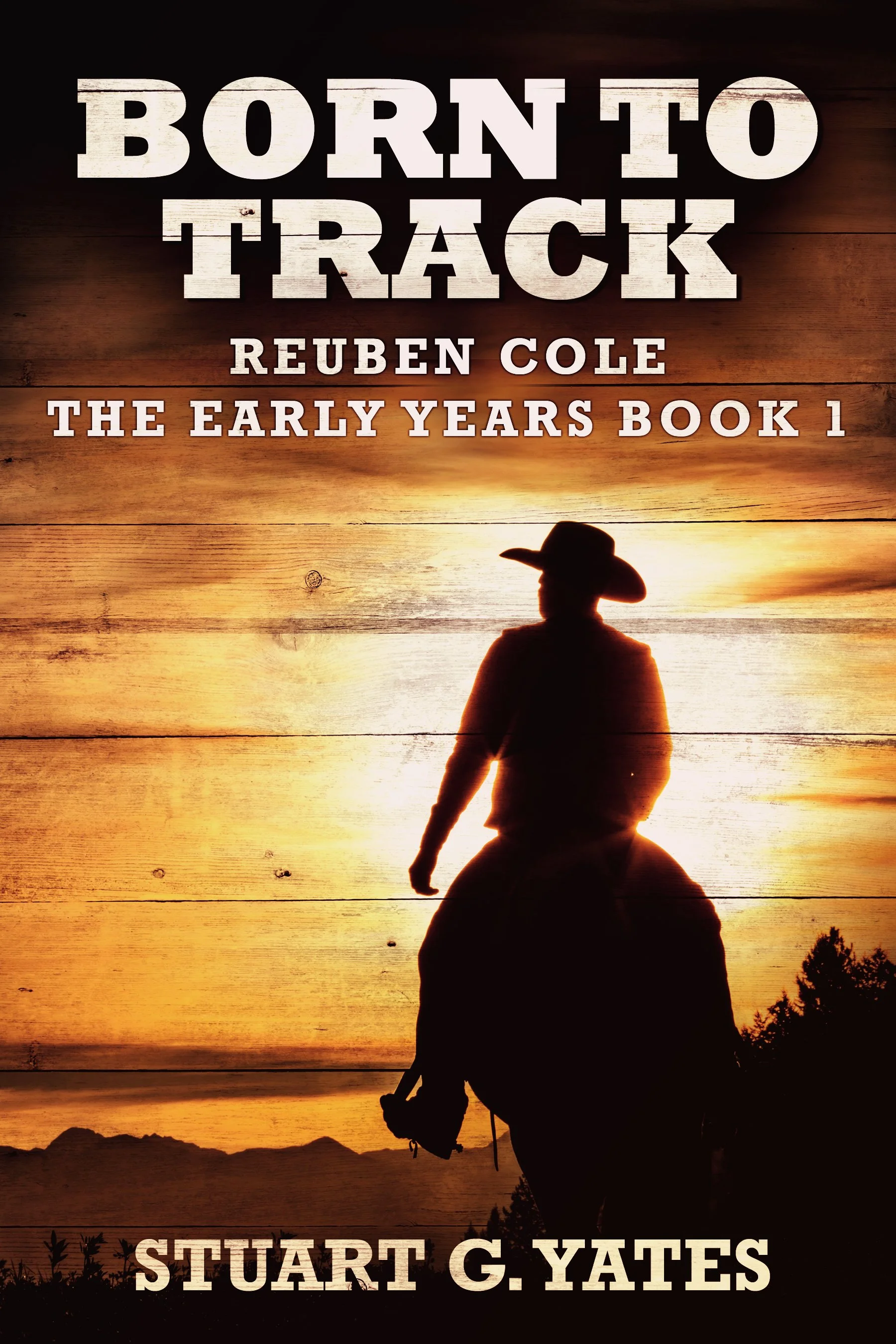
Coming-of-Age in the American Frontier: Finding Strength in the Lawless West
There is something haunting about the moment a young person is thrust into a world far harsher than they believed it to be. In stories set against the American frontier, this transformation often arrives suddenly—through violence, through moral uncertainty, through choices made in seconds that echo for years. The shaping of a character like Reuben Cole begins here, in that fragile space between innocence and the brutal realities of the lawless West. The landscape itself seems to conspire in this awakening: wide plains that offer freedom and danger in equal measure, forests where silence carries both comfort and threat, and dying towns where hope drains as steadily as daylight. It is within this setting that Reuben’s coming-of-age turns from slow inevitability to urgent necessity.
The bond that forms between Reuben and the Shoshone man he saves, Brown Bear, feels like the moral center of his journey. Helping him is not a heroic gesture but an instinctive, deeply human one—a refusal to ignore another’s suffering. Yet that choice immediately binds Reuben to consequences he could not have predicted. Violence erupts, and with it comes the irreversible knowledge that life in the frontier exacts a price for compassion. Still, the companionship that develops between the wounded teenager and the man he rescued becomes a quiet thread of loyalty and trust. In a community where suspicions toward Native people simmer just beneath the surface, their connection becomes both an act of defiance and a lesson in shared survival.
Grief shadows every step of Reuben’s path. His mother’s fading strength and his father’s unraveling weigh heavily, casting the ranch not as a sanctuary but as a place where loss settles into the walls. The tension between familial duty and personal reckoning becomes sharper as violence forces Reuben farther from home. Encounters with death—sudden, senseless, and intimate—imprint themselves on his spirit. They reshape him in ways he does not fully understand, creating a quiet, internal struggle that lingers long after each conflict fades. His subdued demeanor after facing brutality speaks to this interior shift: he is not hardened, not yet, but changed in a subtle, irrevocable way.
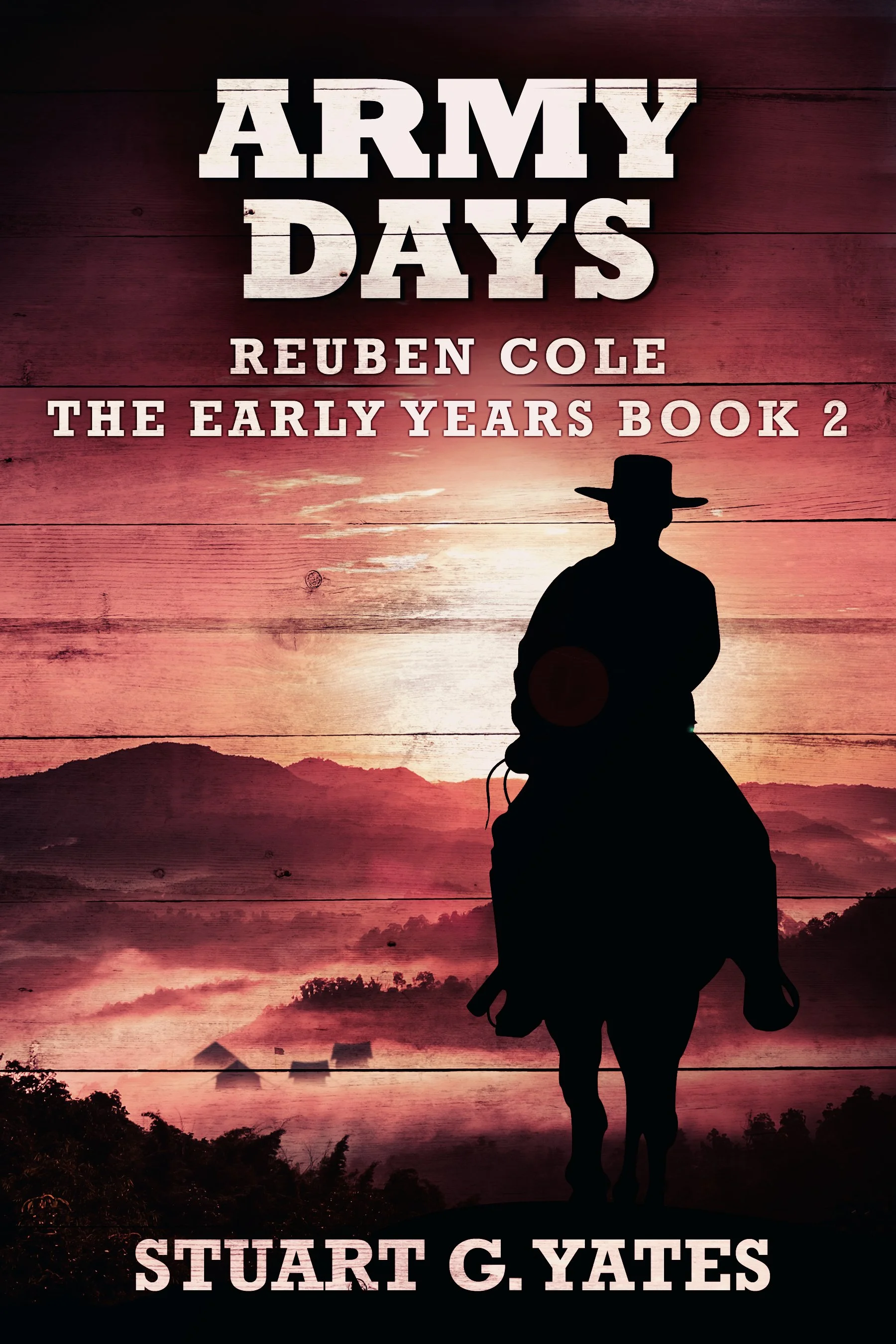
The harshness of the West is not merely atmospheric; it is instructional. Reuben learns tracking and survival from necessity rather than mentorship, absorbing skills that become tools of endurance. But beneath these pragmatic lessons are deeper truths: that trust must be chosen carefully, that violence stains everyone it touches, and that courage often looks like persistence rather than bravado. The discovery of the abandoned cabin, the secrets exhumed within it, and the final confrontation in the dilapidated town of Saint Boniface all work together to reveal a world frayed at its edges. The people Reuben meets—some desperate, some dangerous, some quietly noble—become mirrors reflecting the many ways individuals respond to a collapsing order.
By the time the dust settles, youth has slipped from Reuben’s grasp. What remains is a young man tempered by hardship and loss, yet still searching for purpose. The decision he makes at the end—to leave the ranch and step into the uncertain calling of a scout—feels less like escape and more like continuation. He moves forward not because he is fearless, but because the frontier has taught him that standing still is its own kind of peril.
Sed purus sem, scelerisque ac rhoncus eget, porttitor nec odio. Lorem ipsum dolor sit amet.