



Seasons of the Soul: Finding Meaning in Life’s Ephemeral Beauty
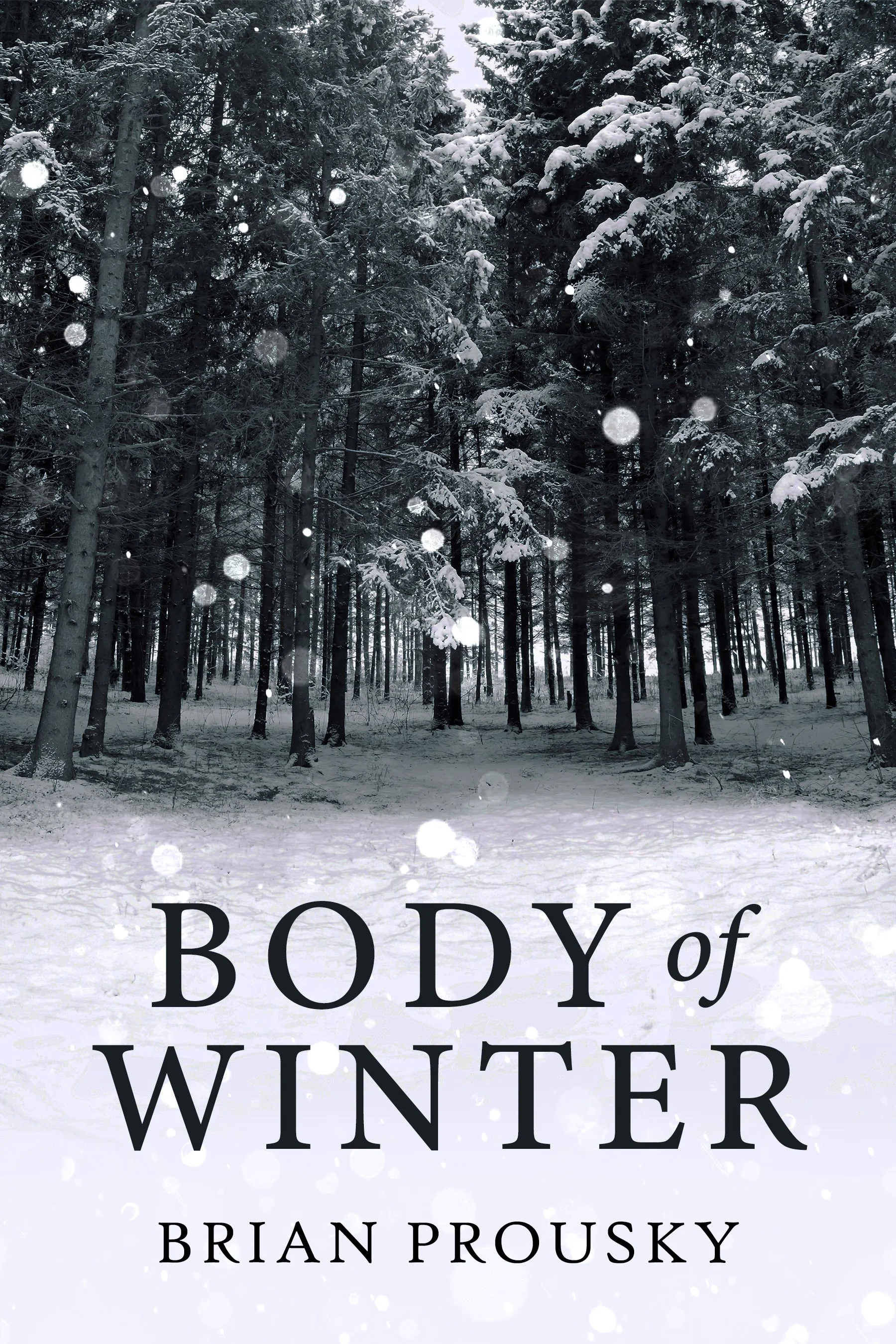
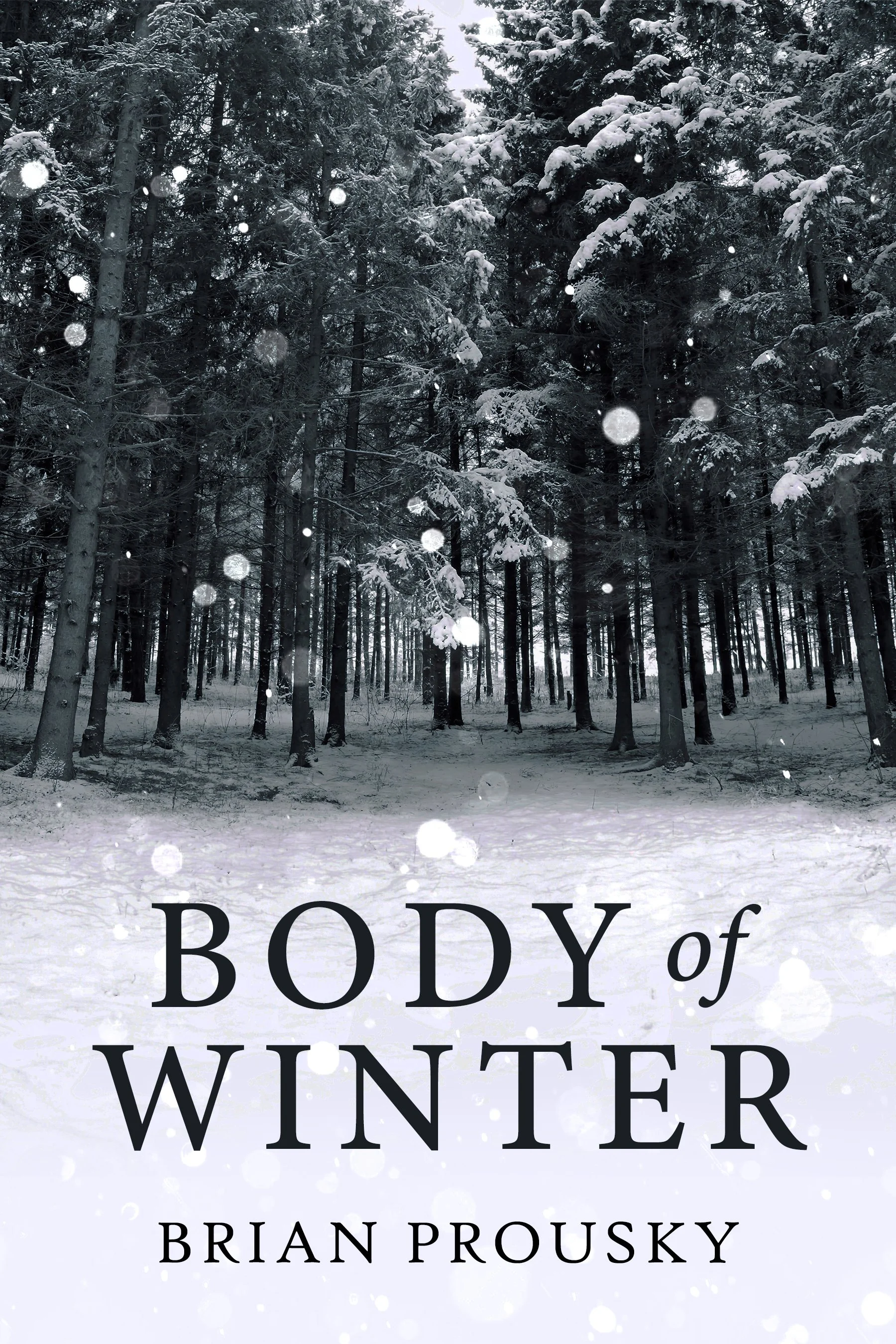
In Body of Winter, Brian Prousky turns the cold season into a mirror—one that reflects the landscapes of love, belief, and human endurance. His poetry inhabits that fragile space between what we hope to become and what we are forced to accept. The collection feels less like a set of discrete poems and more like a single, meditative breath—a slow exhalation of memory and longing that reminds us of how the seasons within us shift as restlessly as those outside our windows.
To read these poems is to confront the passage of time not as an abstract concept but as a visceral force. Prousky’s lines move through the slow disintegration of relationships, the fading of faith, and the uneasy reconciliation with solitude. Yet, amid the losses, there is an undercurrent of illumination—a belief that even in decay there is renewal. The imagery of winter, with its barrenness and clarity, becomes a spiritual geography, a place where grief is stripped bare so that something honest might emerge from the quiet.
The poet’s gaze is both merciless and tender. His speakers do not turn away from pain; they inhabit it, examine its contours, and sometimes even find beauty there. In this way, Prousky captures a truth many try to avoid—that joy and sorrow are not opposites but twin faces of the same human need to feel alive. His language offers no easy comfort, yet within its starkness lies a profound empathy. We are reminded that even in moments of emotional frost, warmth can return in unexpected forms: in memory, in forgiveness, or in the simple act of noticing the world continue despite our stillness.
Geography, too, plays a quiet but essential role. The landscapes of Body of Winter—real and imagined—become symbols of confinement and release. Mountains, rivers, and cities stand as both prisons and sanctuaries, echoing how our internal worlds often shape the way we see the external. Through them, Prousky suggests that the boundaries we feel in our lives may be as mutable as the weather itself. The collection becomes not just an exploration of the human heart, but a cartography of resilience—charting the ways we survive ourselves.
Ultimately, Body of Winter is a testament to the cyclical nature of being. Love fades and returns, belief fractures and reforms, and the self continually reinvents its edges. In Prousky’s world, loss is not an end but a passage, a clearing through which new light might one day filter. His poetry reminds us that to be human is to live in constant transition—to find meaning in impermanence, and to see, even in the chill of winter, the quiet promise of another spring.




Sed purus sem, scelerisque ac rhoncus eget, porttitor nec odio. Lorem ipsum dolor sit amet.