



Emotional Healing After Abuse: A Paranormal Reflection on Love and Memory

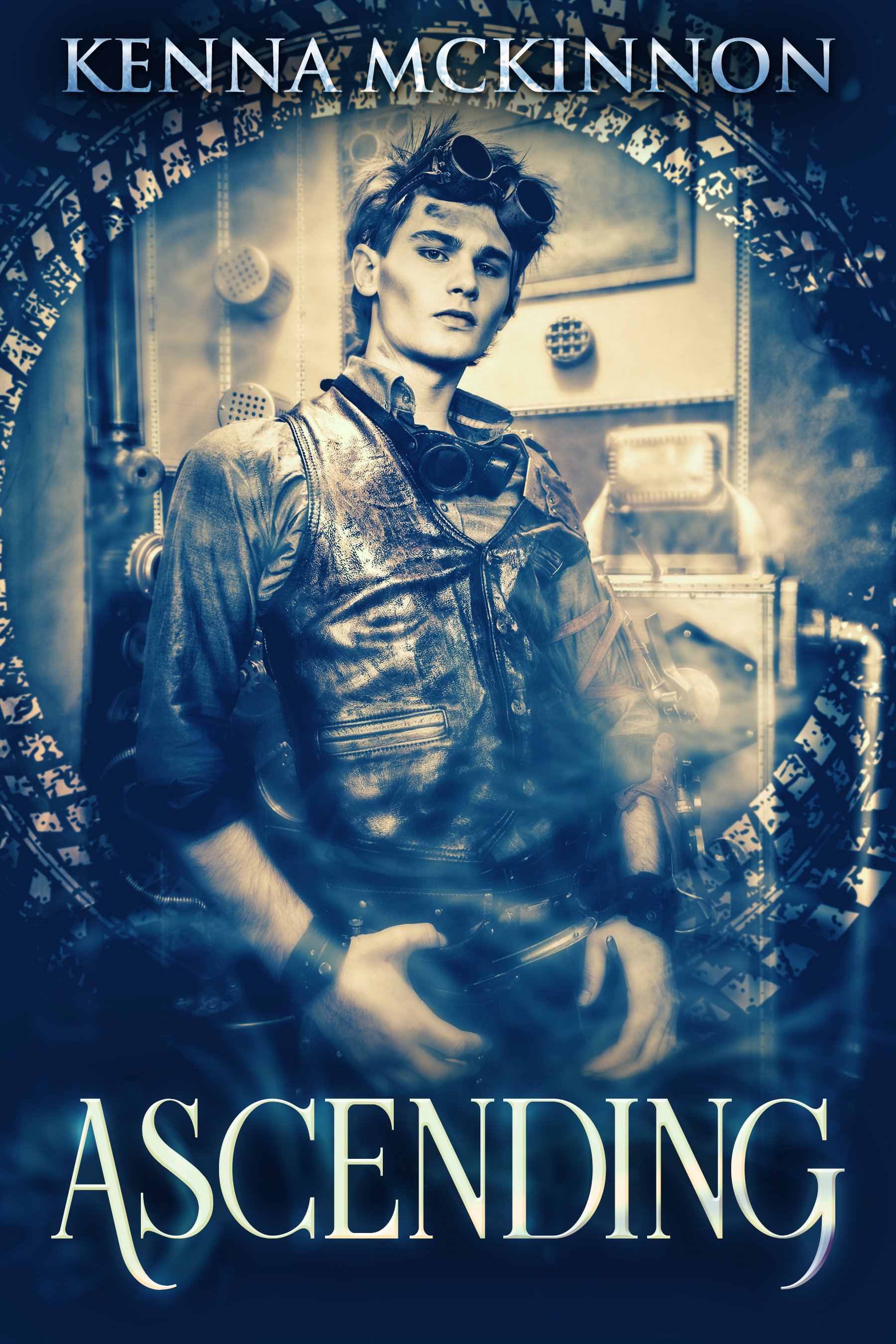
Grief is rarely tidy, especially when it follows not just death, but years of confusion, betrayal, and emotional harm. In Ascending, Kenna McKinnon renders this complexity with quiet, haunting clarity, unfolding a story where the supernatural becomes a mirror for inner turmoil. Set in 1970s western Canada, this is not just a ghost story—it is a portrait of a woman wrestling with the past, the nature of love, and the disorienting work of emotional healing after abuse.
Scarlett Kane is left widowed when her husband Michael dies in a motorcycle crash. His sudden death is violent, but their marriage was already fraying—scarred by emotional manipulation, physical violence, and infidelity. Still, when Michael is gone, Scarlett doesn’t feel free. What follows is not relief, but guilt. Not clarity, but a deep unraveling. She turns to alcohol, spirals into neglect, and faces the jagged contradictions of mourning someone who caused her pain. It’s a form of grief that defies neat categories—a love tangled in fear, a loss stitched with both longing and relief.
When Michael’s ghost begins to appear in Scarlett’s new home, it’s not just an eerie presence. It is the past, lingering in the walls, refusing to be silenced. Scarlett is not haunted by Michael so much as by everything unresolved: the good moments she clings to, the violence she can’t forget, and the devastating question of who he really was. That question deepens when a strange truth surfaces—Michael had an identical twin, Charles, who shared in the life Scarlett thought belonged to one man. Charles, it turns out, was the source of the love she remembered. The abuse belonged to Michael. The tenderness was always someone else.
This revelation isn’t merely a plot twist—it’s a quiet metaphor for what happens in so many painful relationships. The person we love may never have existed in full. Or maybe, the person we miss is only one side of someone who hurt us. Scarlett’s journey toward understanding this is slow, muddled, and painfully human. Even as she finds companionship and stability in Charles, she must confront the emotional phantom of Michael—the side of her life she couldn’t fix, and the self she lost trying.
The paranormal devices Scarlett and her son use to “exorcise” the ghost—crystals, robots, steampunk engines—are less about spectacle than they are about intention. They are the physical expression of a desire to move on, to make sense of chaos using what they have. These tools, odd and charming, are symbols of creative resistance to trauma. They show that healing doesn't come through forgetting, but through confronting the shadows, naming them, and choosing what to carry forward.
Ascending lives in that tender, complicated space between grief and release. It doesn’t try to resolve everything neatly. Instead, it allows the mess to speak: the love that still echoes, the harm that lingers, the laughter that slips through the dark. Scarlett’s healing is not triumphant—it is real, imperfect, and brave. Through ghosts, secrets, and one woman’s refusal to stay bound to pain, this story captures the strange, beautiful process of learning to live again.




Sed purus sem, scelerisque ac rhoncus eget, porttitor nec odio. Lorem ipsum dolor sit amet.