



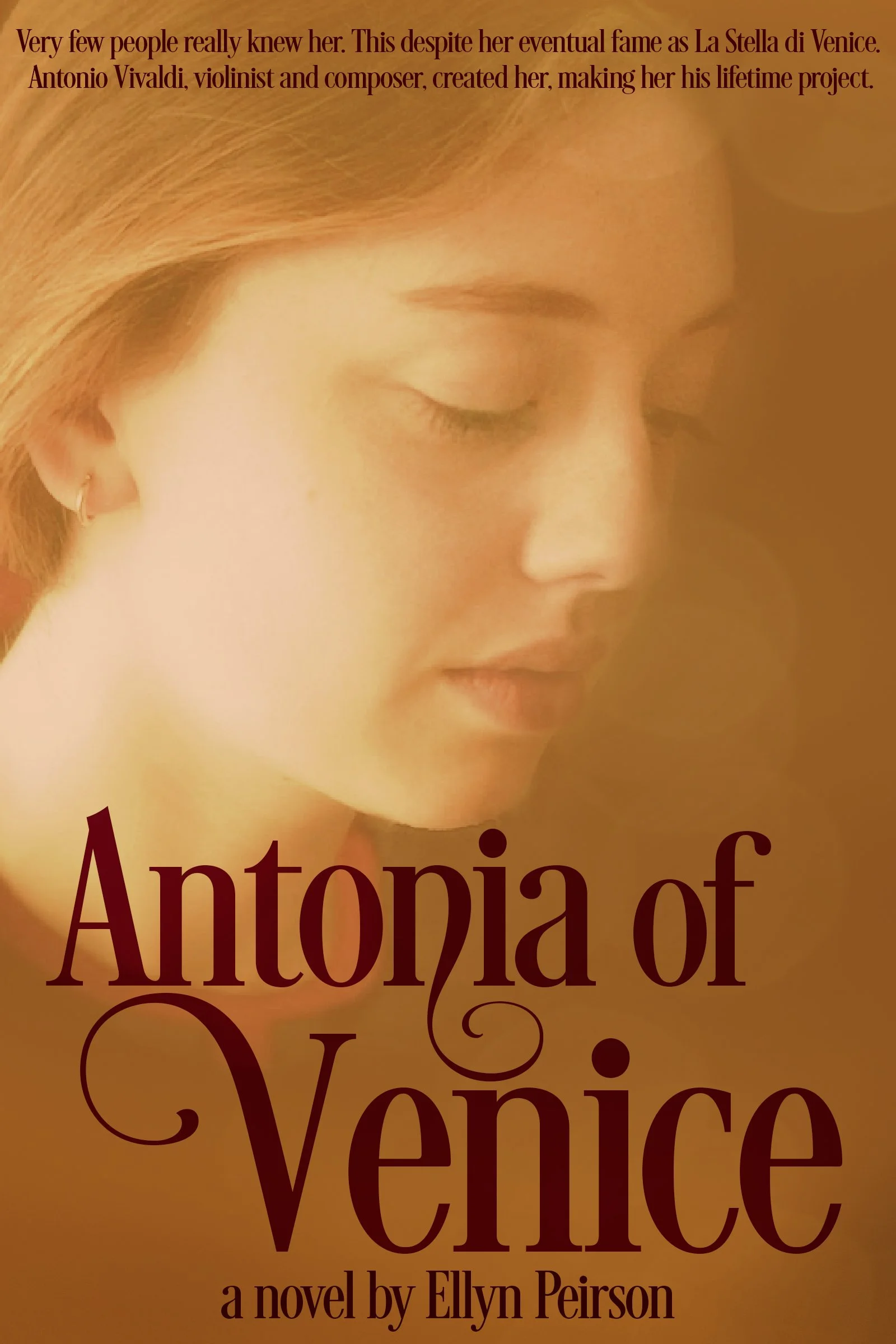
Healing After Loss and Self‑Discovery: Feminine Heroism and Musical Passion
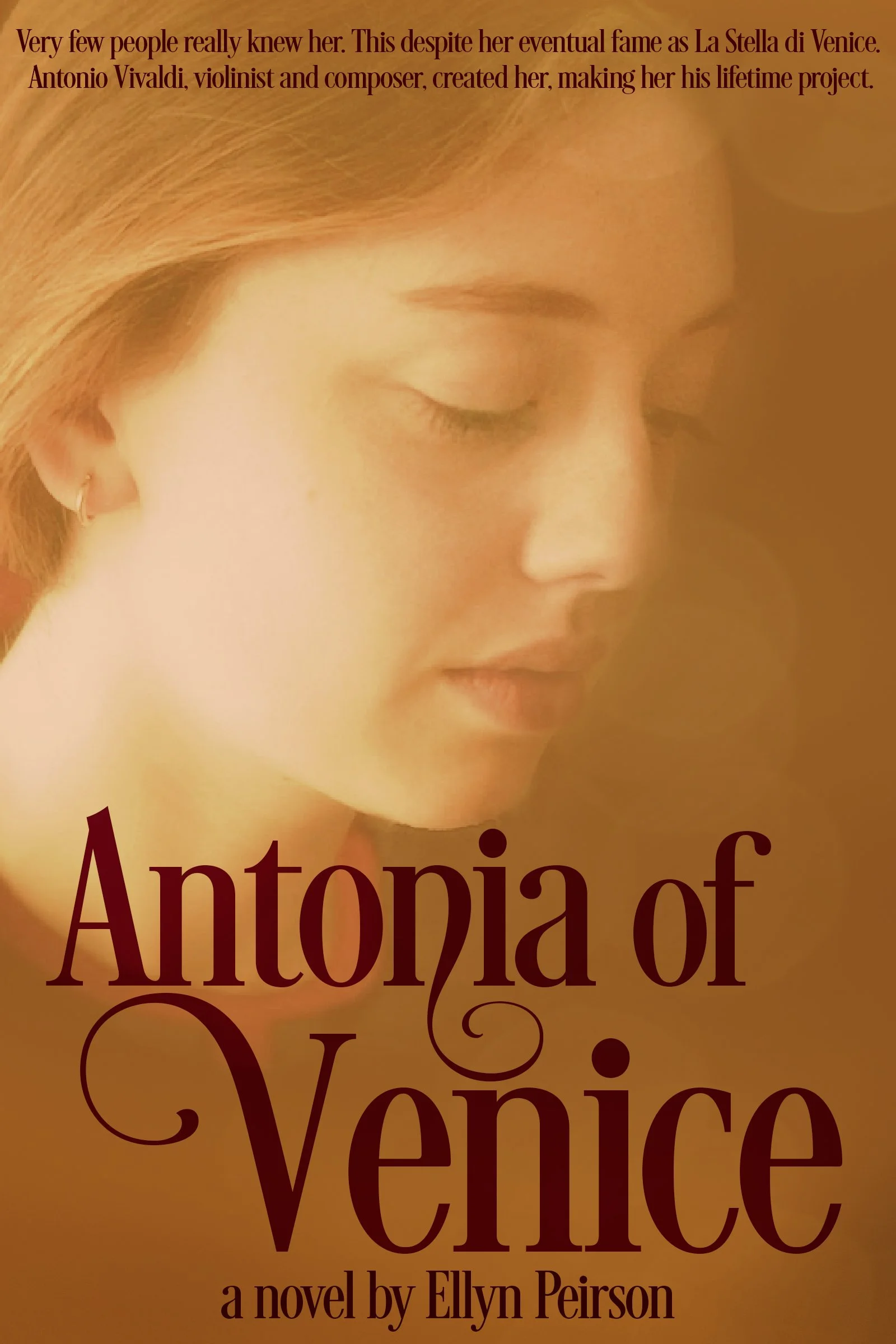
In the immersive tapestry of Antonia of Venice, the emotional landscape is edged by loss and the search for identity. Antonia begins her journey an orphan molded by the rhythms of the Ospedale della Pietà, her being shaped by the music and authority that defined her place. Yet behind each virtuosic note lies a young woman aching for wholeness, her soul vibrating with suppressed longing—a longing that resonates with healing after loss and self‑discovery.
Amidst the decadence of 18th-century Venice—its sumptuous canals, ornate masks, and baroque magnificence—Antonia's transformation unfolds. From Vivaldi’s prized pupil to an equal collaborator, she learns to claim her own voice—not as a reflection of her mentor, but a declaration of her essence. In love with Orlando Sagredo, master planner of Siena’s Palio, she sees in their bond both beauty and the fetters of expectation. Here, the narrative delicately explores how love can become both sanctuary and prison, a catalyst for awakening as much as entrapment.
Through the corridors of power and the hearts of musicians, Antonia dances between revenge and selflessness. Her resolve isn’t born from grand gestures alone, but from the quiet assertion of equality—her feminine heroic emerging not from emulation of male paradigms, but from her own narrative, her own grief, her own capacity to forgive and resist. In these shadowed spaces of grief and ambition, she discovers what it means to stand fully alive, voice intact.
This is no romantic idyll. Instead, the novel reflects a deeper texture—of healing after loss that is neither swift nor tidy, of self‑discovery that unravels expectations. Through the melancholy of abandoned sanctuaries and the dissonance of political intrigue, Antonia learns that her music is not just melody; it is declaration, it is grief, it is triumph. In this, the story becomes a meditation on feminine heroism—not loud, but insistent, not granted, but earned, and thrillingly, grounded in emotional truth.


Sed purus sem, scelerisque ac rhoncus eget, porttitor nec odio. Lorem ipsum dolor sit amet.