



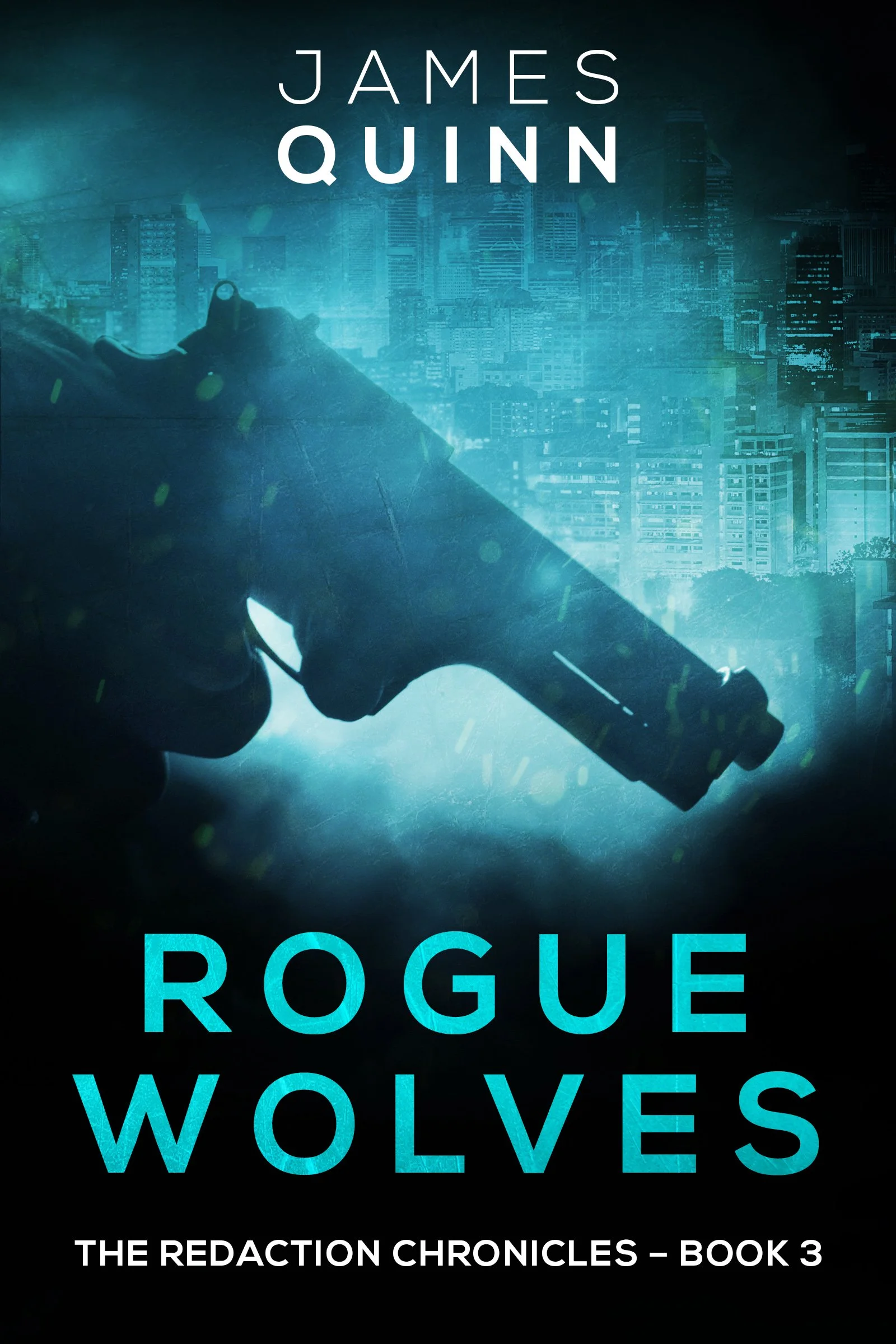
Espionage Suspense: Shadow Assassin Thriller
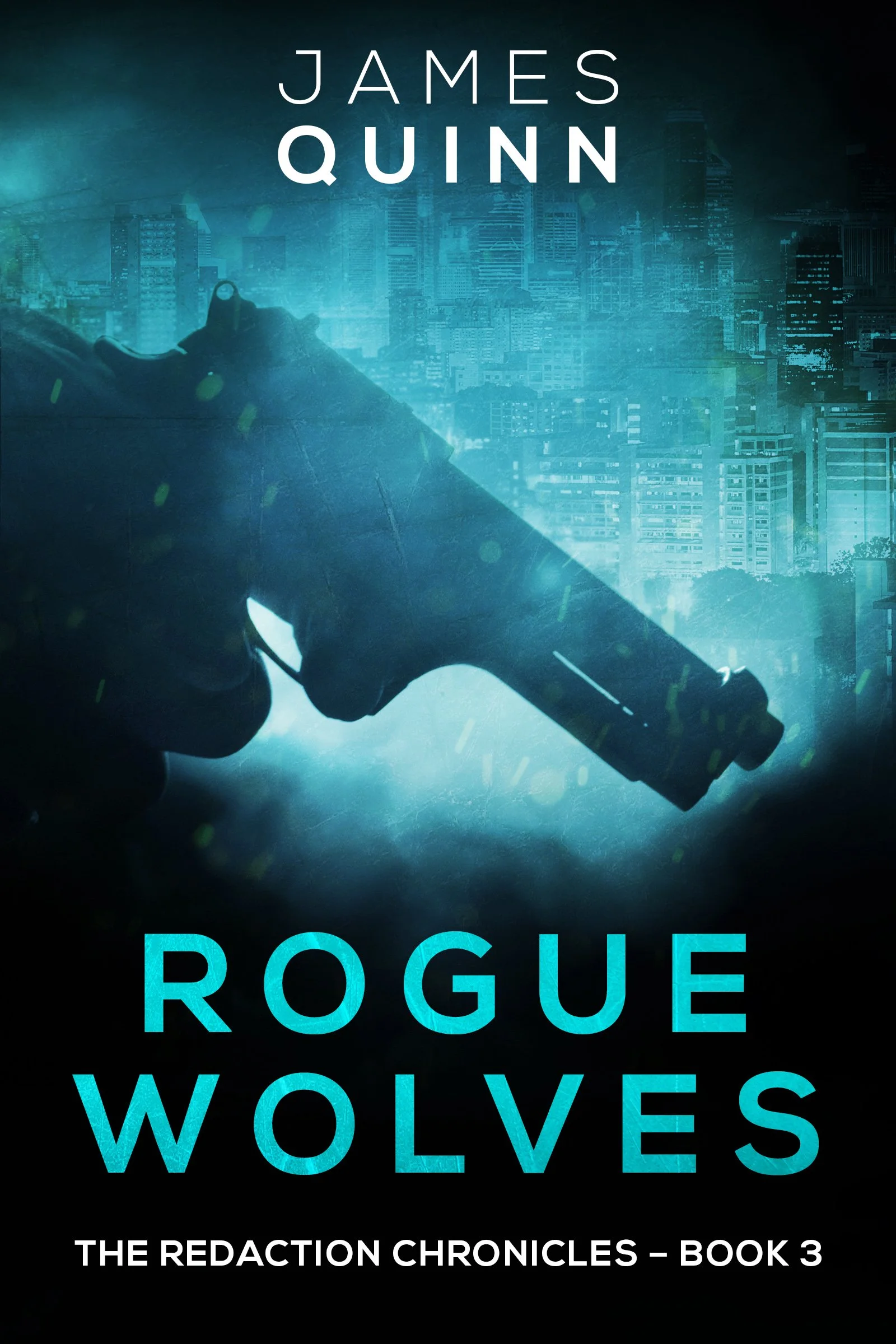
Rogue Wolves immerses the reader in a world where espionage suspense meets the chilling allure of a shadow assassin thriller. In this novel, layers of identity and allegiance intersect in ways that challenge the very notion of loyalty. Garbed in ambiguity, “The Master” traverses three decades of history, aligning with Nazis, Cold War powers, terrorists, and intelligence agencies without revealing his true face. His disappearance unifies global intelligence networks in pursuit—each agency desperate to capture, interrogate, and ultimately “Redact” this enigma. The sense of suspense here is refined, born not of explosive action but of a relentless chase through shifting loyalties and hidden motives.
At the center of it all stands Jack “Gorilla” Grant, a man forged in the shadows. Now working under the French Secret Service as a contract agent, Gorilla’s mission is deeply personal—a score to be settled with the Master, a rival whose charisma and lethal talent eclipse everyone else he’s faced. The emotional stakes underpin the tactical ones: this is not merely a manhunt but a reckoning. As Gorilla crosses France, the American heartland, and a death island off Mexico’s coast, the physical journey mirrors his psychological confrontation with darkness, with themes of vengeance, identity, and moral reckoning spiraling outward.
Interwoven into this high-stakes pursuit is a deadly and captivating CIA bounty hunter, whose appearance brings tension that crackles. She represents a convergence of professionalism and seduction, operating with unerring precision while unsettling any faction in her crosshairs. Her presence complicates the race—it becomes not just about Gorilla’s vendetta but about two hunters converging on the same prey, each driven by their own code. In those moments, Rogue Wolves turns inward, exploring what obsession does to the soul, how single-minded determination can transcend borders—and erode empathy.
Locations shift dramatically: from the cultured intrigue of Europe to the vast anonymity of the American plains, culminating on a remote island where survival becomes elemental. These settings serve as more than backdrops—they are emotional landscapes that echo the characters’ inner turmoil. Rogue Wolves subtly reflects on how geography shapes identity, how isolation can mirror internal fracture. Whether in Paris’s alleys or Mexico’s reefs, every terrain becomes a stage for psychological conflict, the ultimate showdown between hunter and hunted.
Without overt moralizing or sentimentality, Rogue Wolves navigates themes of allegiance, grief, and retribution. The anti‑hero’s journey asks: what becomes of a man who has spent thirty years unmoored? Who maintains a personal vendetta when all affiliations are transient? What does it cost to hunt a figure whose identity is so well concealed, and what toll does obsession take on those who pursue him? These questions linger beyond the pages, quietly unsettling, grounded in human longing for closure and meaning.
Rogue Wolves ultimately is a tale about the complexity of evil and the fragile boundaries of trust. There is no neat redemption, only a meticulously drawn descent into moral ambiguity, delivered through tense prose and character-driven suspense. It invites the reader to consider how far one would go to settle a personal debt, and whether the darkness they confront—whether in another or within themselves—can ever truly be exorcised.


Sed purus sem, scelerisque ac rhoncus eget, porttitor nec odio. Lorem ipsum dolor sit amet.