



Espionage Thriller Asia: Deniable Operations Terrorism
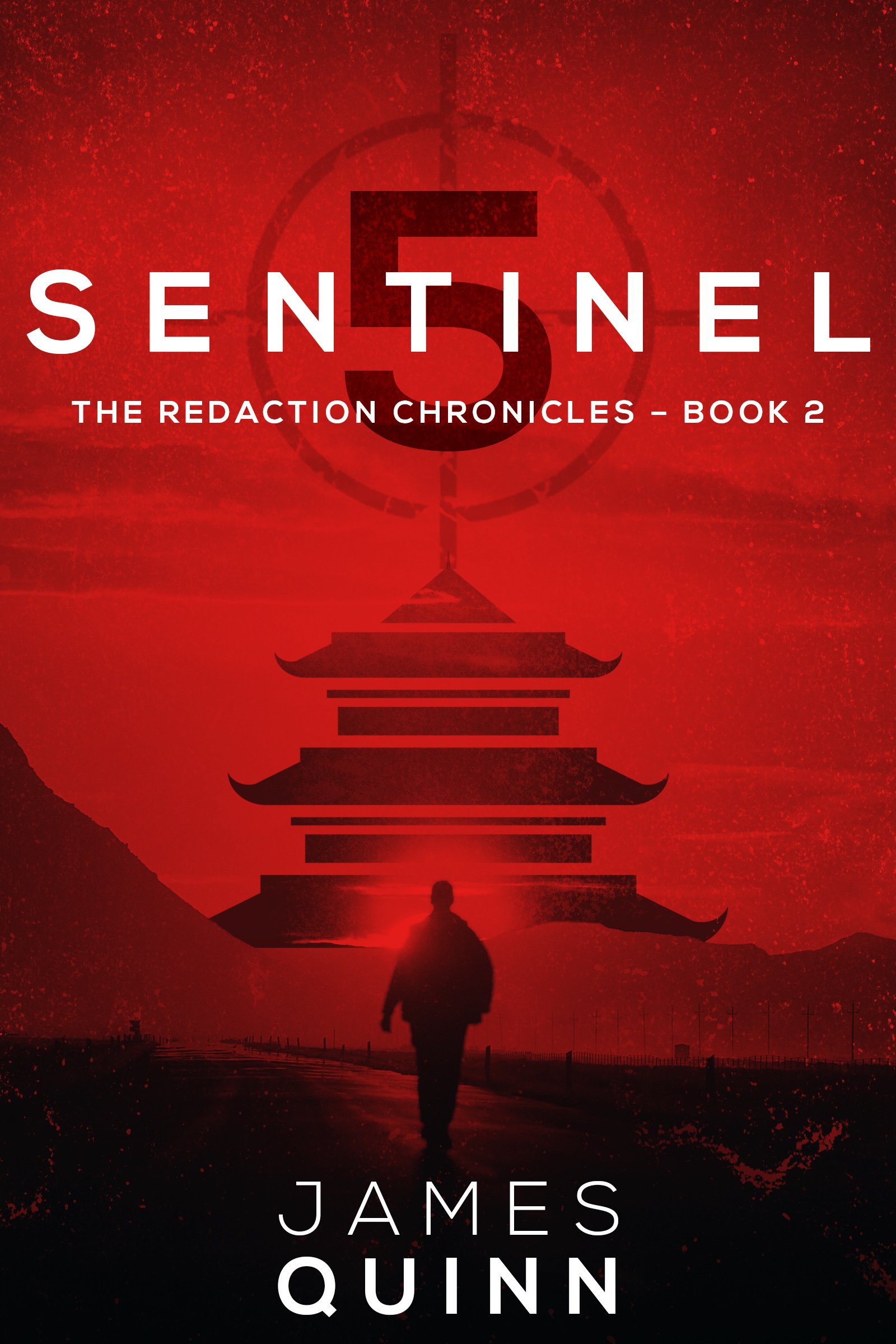
In the shadowed corridors of global intelligence, where alliances are brittle and motives obscured, Sentinel Five invites us into a world shaped by the urgency of survival and the moral dissonance at the heart of covert warfare. As the Chief of the Secret Intelligence Service is assassinated and the British government is brought to its knees by a terrorist force threatening apocalyptic destruction, the narrative unfolds as a meditation on what duty demands when conventional authority collapses.
Jack “Gorilla” Grant emerges from obscurity—his tools a Smith & Wesson .39 and a cut‑throat razor—as the embodiment of raw, ungoverned justice. Tasked to lead a deniable operations team, his journey across Asia becomes more than a manhunt; it is a confrontation with the unseen hypocrisies of those who wield power. The terrain becomes a crucible: in this theater, survival is shaped not only by firefights, but also by silence, deception, and the betrayals that occur beneath polite diplomacy.
In the midst of escalating violence, the emotional undercurrent centers on betrayal from within. The Sentinel Five team—assembled in desperation—is forced to reckon with the possibility that the gravest threat may originate from allies masquerading as patriots. There is a quiet grief here born of trust fractured and loyalties sold. The emotional toll is less about loss of life than about the erosion of belief in institutions meant to protect. Through this lens, the novel probes the emotional terrain of individuals caught between national duty and personal code.
Asia, as the backdrop for the hunt, is more than geography—it becomes a character. The cultural complexities and volatile political terrain foreground the isolation of Western operatives working in deniable zones. Each environment amplifies tension: the humid streets are seething with unseen eyes, the jungle becomes a theater of echoes, and the cityscapes hide conspiracies behind neon lights. Through these settings, the story explores how the vastness of the East can reflect both sanctuary and threat, deepening the emotional resonance of travel turned perilous and ever‑shifting.
Ultimately, Sentinel Five is a dark exploration of self‑discovery under fire. Grant, propelled from obscurity, must reconcile his brutal methods with the team’s broader mission, questioning whether vengeance can serve justice. His internal struggle mirrors the larger theme: in an era defined by shadow players and unacknowledged wars, how does one preserve one’s humanity when every mission demands moral compromise?
Within the framework of an espionage thriller in Asia, the novel’s quieter moments—the reflective pause between operations, the weight of unseen casualties, the fracture lines exposed within an intelligence community—carry the emotional gravity. Themes of healing after loss and the tenuous path toward self‑rediscovery emerge not through reflection, but through each hard choice made beneath forced alliances and fractured command. In the end, the intense action and political intrigue serve as a backdrop for an emotional journey: how far one will go in the name of country, redemption, and the search for truth in a world designed to keep it hidden.

Sed purus sem, scelerisque ac rhoncus eget, porttitor nec odio. Lorem ipsum dolor sit amet.