



Exploring Urban Mythmaking: Peeling Back the Skin of the City
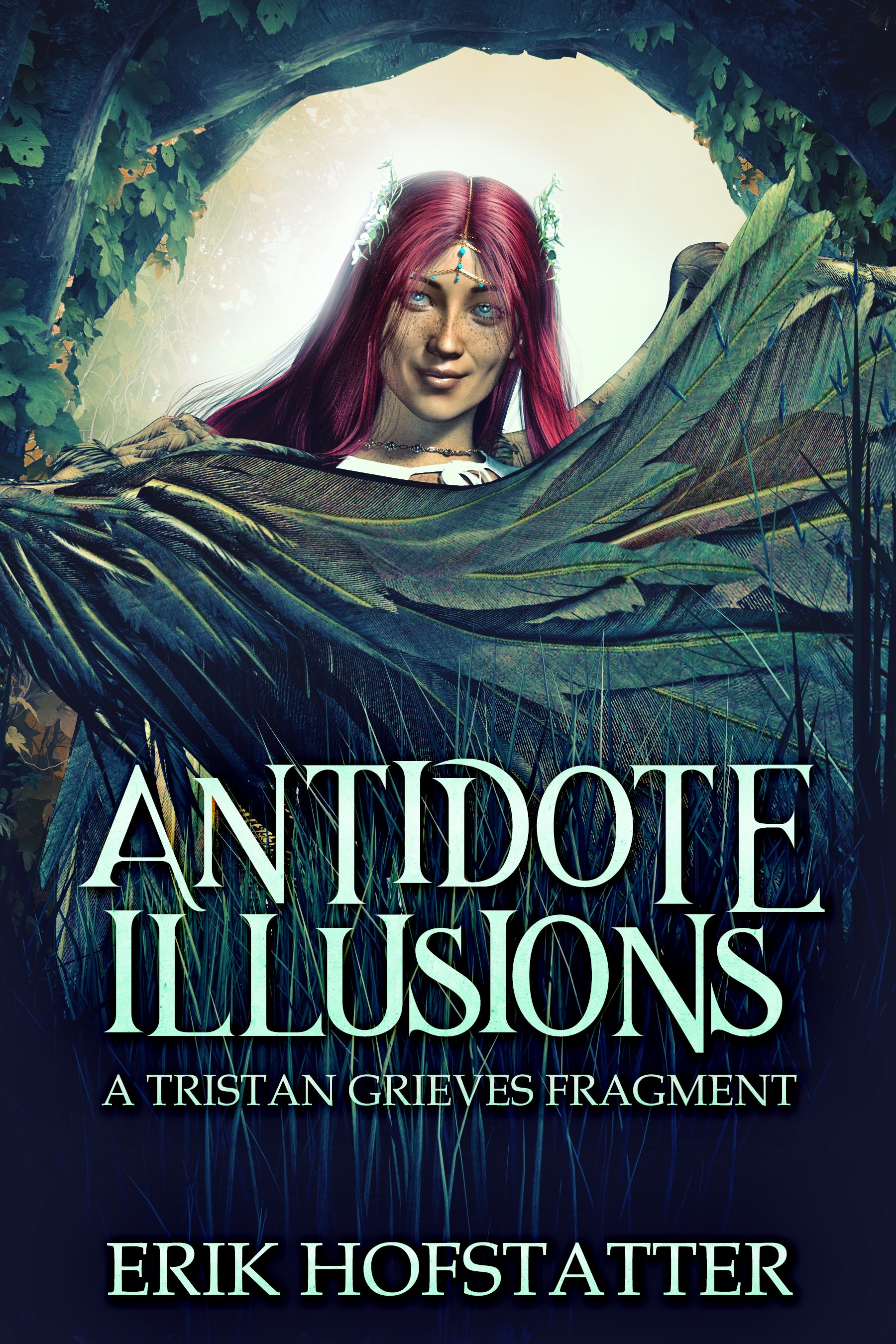
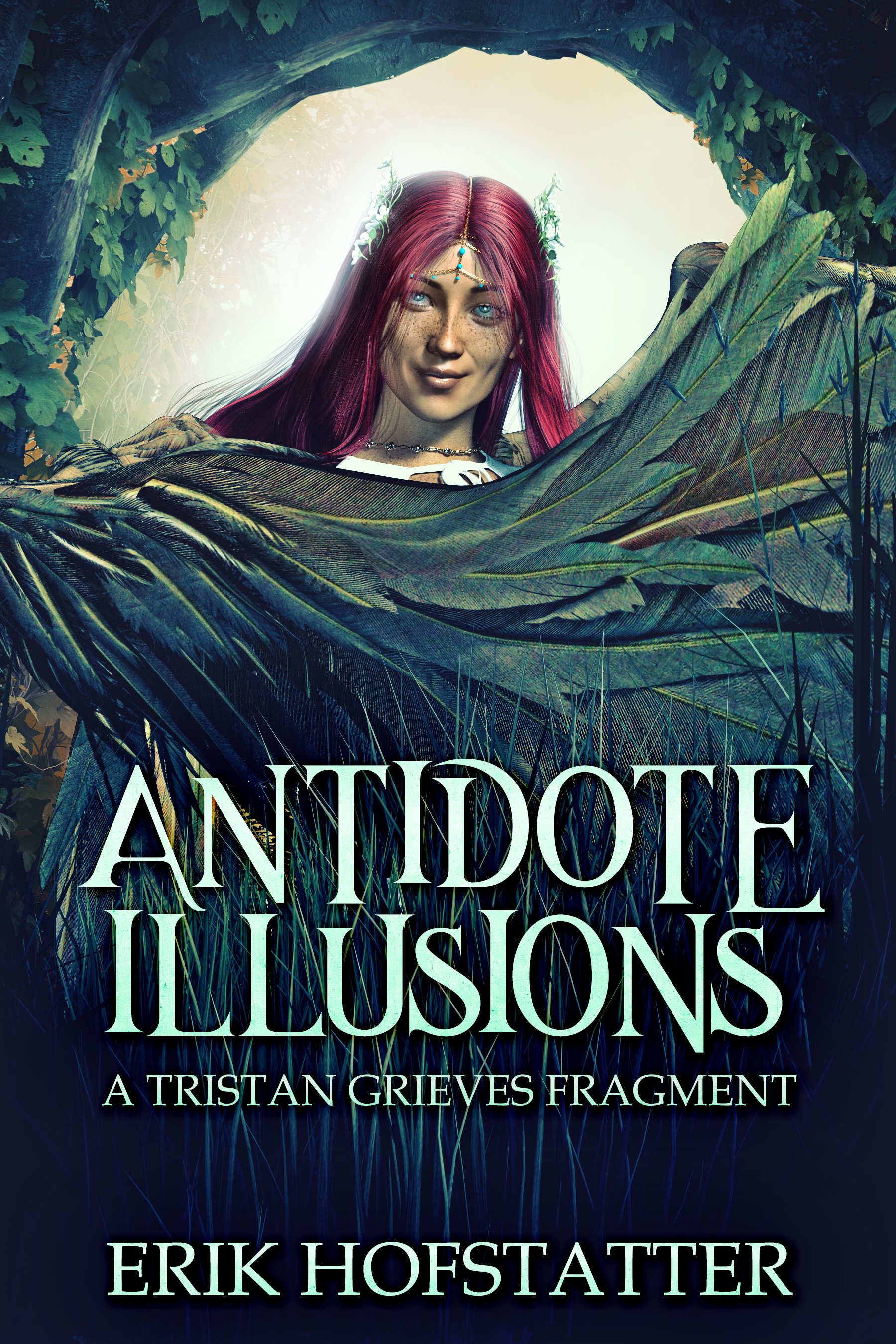
Erik Hofstatter’s Antidote Illusions drifts through a dream‑scape of city shadows and emotional fissures, weaving a kind of urban mythmaking that feels both urgent and strangely sacred. In this novel, Liene’s absence cracks open something elemental: a hair‑colour so fiery it suggests the internal geology of a volcano, and a temperament that seems to burn with its own gravity. Her disappearance—marked in the elemental language of Etna’s molten temper—begins an elegy for what’s been lost before it’s even fully known.
And Tristan Grieves enters that void. He is a ferryman through time’s watered corridors, moving his oars against currents that don’t yield, slicing through months of muddled hours and bruised memory. He becomes our guide through the peeling back of urban skin—the layer‑upon‑layer of city myth, betrayal, smell, and whispered departures—where a house smells like stolen passports, and a she‑golem built from old betrayals looms in rooms where knives arc like broken promises.
Hofstatter’s prose glides, noir‑smooth but jagged at the core. The city itself pulses with mythic force: a nicotine‑coloured haze, a “ghost exit,” a horizon made of flesh and betrayal, all assembling into a narrative that resists easy categorization. His urban mythmaking doesn’t just cloak the streets—it drills into them, infusing every gutter with shimmering dread, every back alley with lovers’ ghosts, and every faint streetlight with more than memory.
Liene’s absence, and Tristan’s relentless rowing, expose fractures in both their psyches and the city’s concrete bones. He moves through an undermined world, phantoms in tow, navigating a terrain where even the sun seems to have abandoned its role as savior. The motif of myth lives here not in grand archetypes, but in whispered betrayals, in flesh turned to horizon, in countless small illusions that bear the weight of grief, desire, and the un‑sunny corners of being.
In Antidote Illusions, grief does not arrive with a single crash—it seeps under doors, drips in the smoke of a nicotine party for a ghost exit, slivers through skin and concrete alike. Yet in that electric undercurrent, there is something braided through the darkness: a quest for meaning, a kind of quiet defiance. While the city’s skin peels back, layer by melancholic layer, we find ourselves bearing witness to mythic truth—born from brokenness, haunted by absence, and lit by the last embers of human longing.


Sed purus sem, scelerisque ac rhoncus eget, porttitor nec odio. Lorem ipsum dolor sit amet.