



Facing Harsh Sentencing in a Dystopian Future: The Emotional Weight of Personal Sacrifice
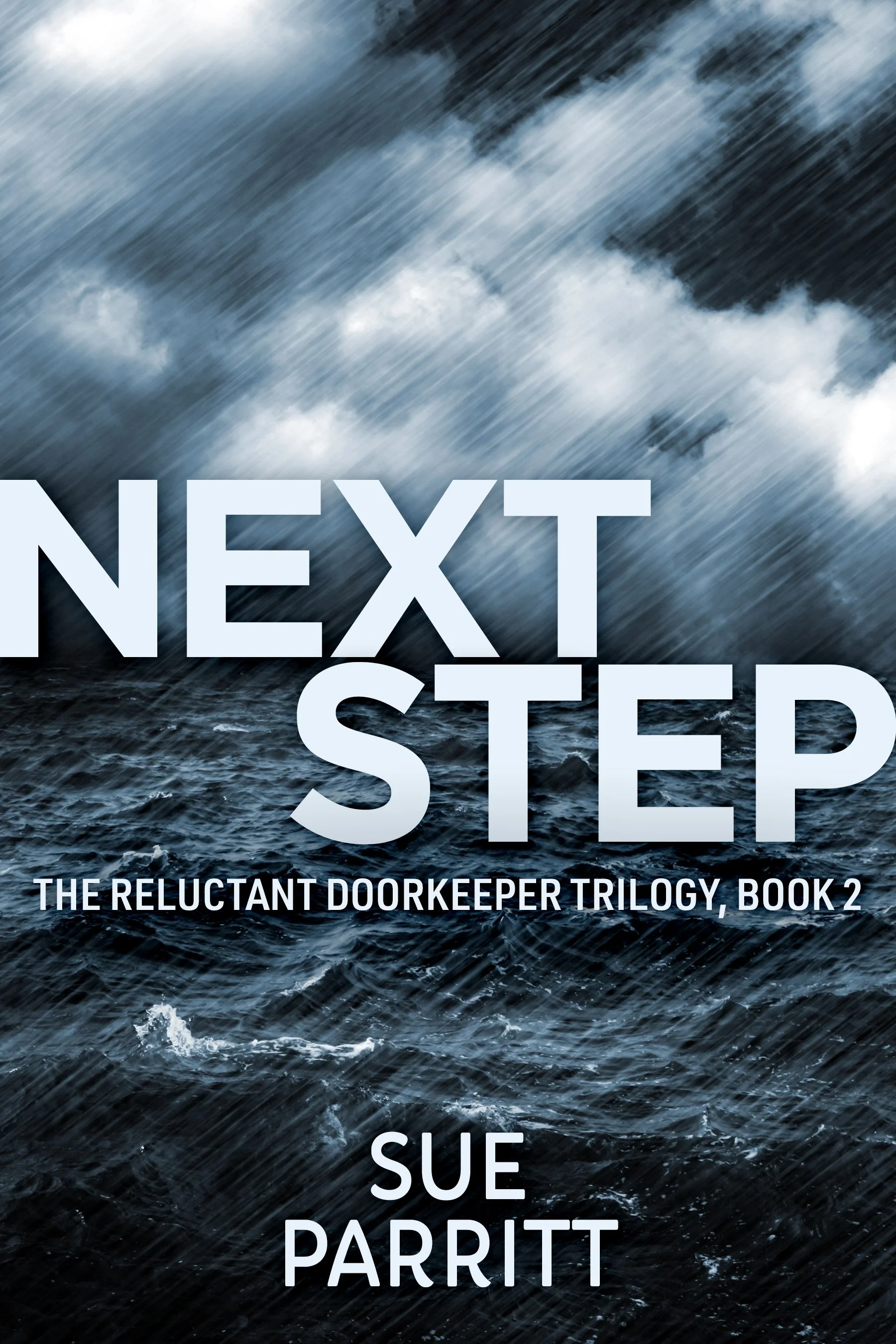
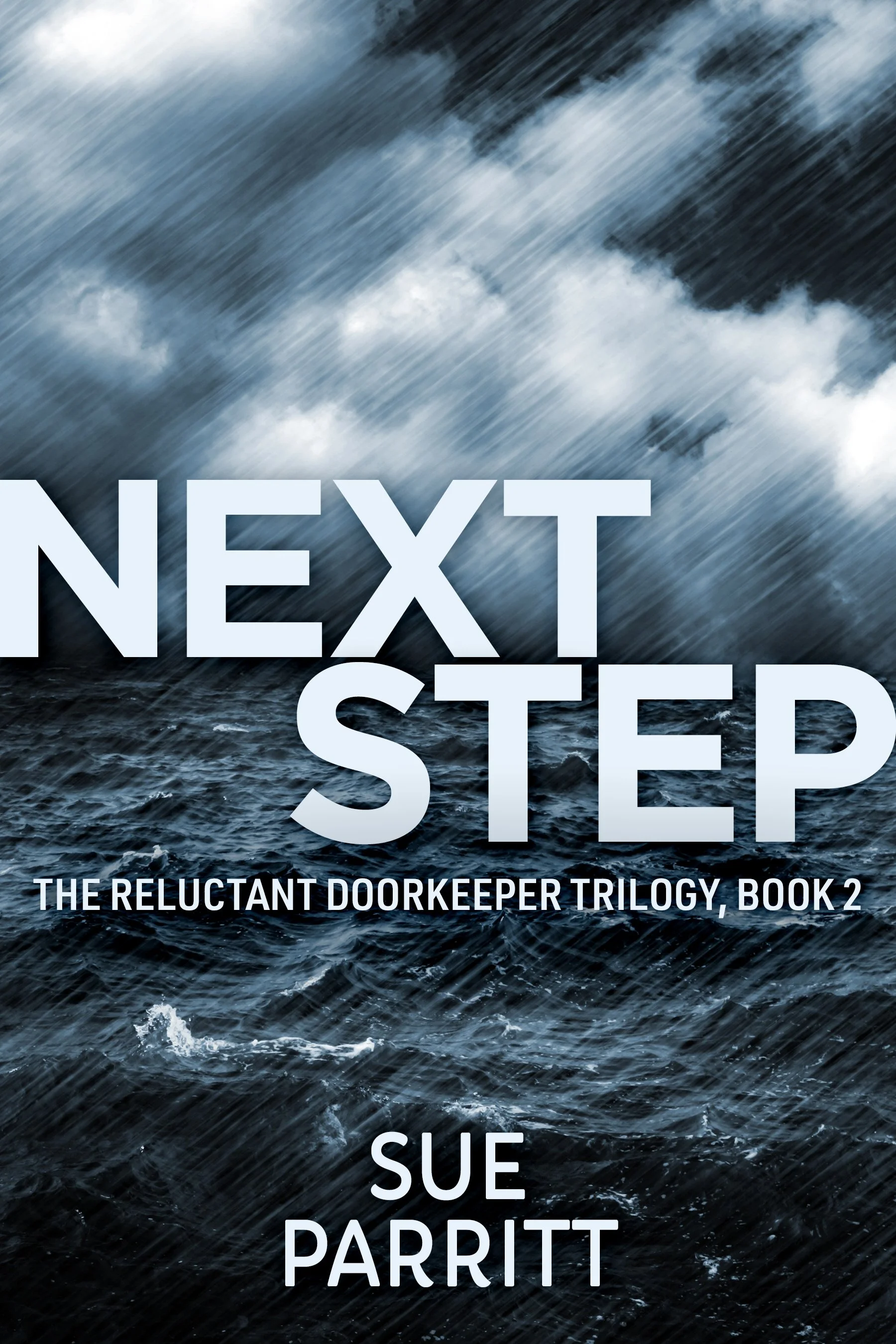
Emma Cartwright’s story unfolds in a time where the future is fragile, and justice bends under the weight of authoritarian scrutiny. As a mother caught between duty and desperation, her quiet rebellion against the rigid structure of the Productive Citizen’s Bureau (PCB) underscores the emotional cost of survival in a system built on fear. “Next Step” immerses us in Melbourne, 2100, where institutional control presses relentlessly on the individual spirit, and where facing harsh sentencing isn’t just about legal judgment—it’s about what gets sacrificed along the way.
Emma is not a typical protagonist of resistance. At seventy, she's lived a life longer than many who join the underground networks that challenge state power. But her son, Jack, stands trial for organizing an illegal demonstration, and that maternal tether refuses to fray, even as the noose tightens around them both. When the legal system prioritizes punishment over truth, the trial becomes a symbol of broader injustice. Jack’s fate, entangled with the legacy of a collapsed democracy, reflects the erosion of ethical law—where credible testimony is dismissed and confessions are reduced to footnotes in bureaucratic maneuvering.
At the same time, Emma’s return to the PCB as a trainee isn’t just a reluctant career move—it’s a slow descent into a place where language is coded and trust is a luxury. Her double agent role allows a sliver of resistance, but the line between spying and surviving blurs with every assignment. Her relationships—particularly with Cal and her fellow dissenters—complicate the notion of loyalty. When every personal bond becomes a potential liability, love must operate in the shadows, and solidarity becomes an act of quiet courage.
Sue Parritt’s vision of early 22nd-century Australia is not defined solely by dystopian elements; it is deeply personal, echoing the tension between systemic injustice and the quiet resilience of human connection. The factory strikes, the storm-wrought landscape, and the whispers of food rationing all serve to ground Emma’s journey in a world that feels both eerily plausible and morally askew. And within that world, the emotional labor of carrying on—when betrayal might come from someone you’ve broken bread with—adds to the toll.
“Next Step” is ultimately a reflection on the cost of endurance. Not just physical survival, but emotional stamina: the ability to stay the course when the system counts on your exhaustion. For Emma, hope does not arrive wrapped in a triumphant revolution. It comes through perseverance, through a mother’s need to protect her child, through the quiet subversion of truth-telling in a world addicted to silence. It is a future we dread, written with the clarity of someone who knows how close we already are.

Sed purus sem, scelerisque ac rhoncus eget, porttitor nec odio. Lorem ipsum dolor sit amet.