



Finding Light in Mental Illness: A Mother-Daughter Journey Through Mystery and Redemption
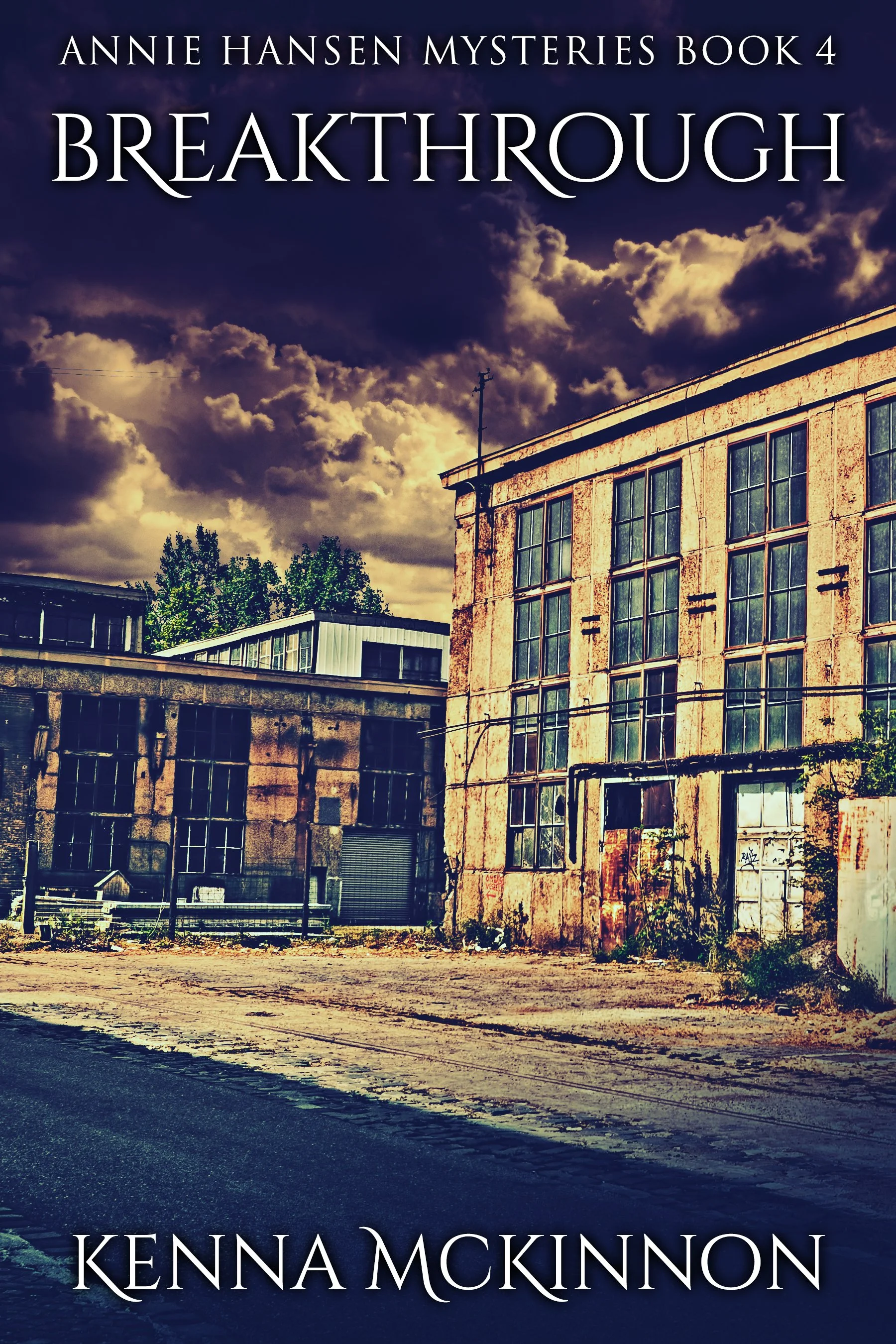
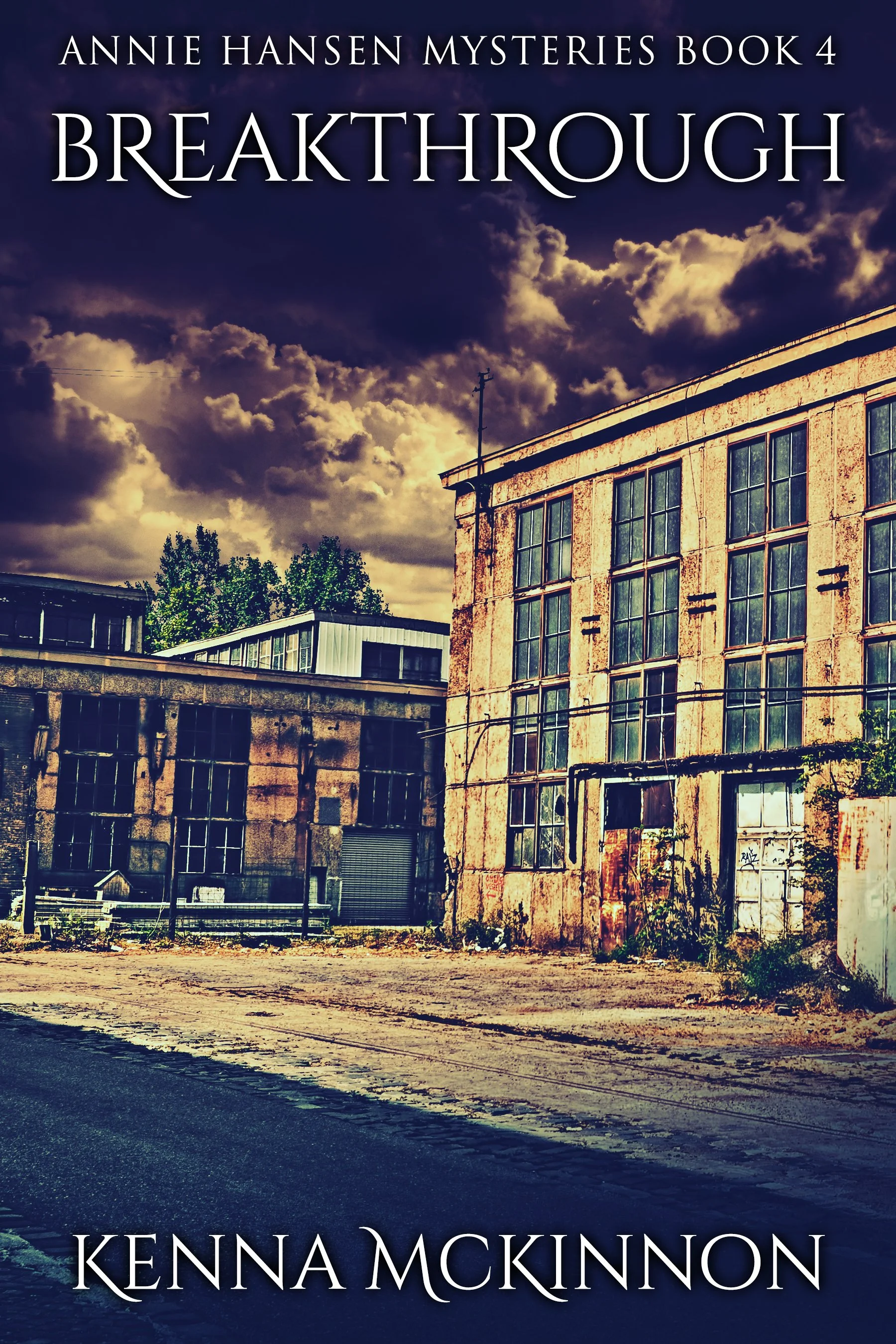
In Breakthrough, the fourth installment of Kenna McKinnon’s Annie Hansen Mysteries, the concept of “truth” becomes more than a quest for justice—it becomes a mirror for the mind’s fragile balance. Through Annie and her daughter Skye, McKinnon explores the tangled terrain of mental illness and family love, threading a crime story with the quiet ache of shared vulnerability. The mystery that drives the novel is not just who committed a murder, but how a family survives when the line between reality and delusion begins to blur.
For both Annie and Skye, schizophrenia is not a label—it’s a landscape. It shifts underfoot, confuses light with shadow, and sometimes folds memory into imagination. McKinnon’s writing inhabits that uncertain space, asking what happens when the people who most need to trust each other must also question what they see. The novel’s Edmonton setting—rooted in familiar streets and the stillness of a vintage home—feels like a fragile refuge against the chaos of perception. Even as the world outside grows darker with suspicion and violence, Annie and Mark cling to the rhythms of ordinary life: a daughter’s phone call, a shared meal, a late-night drive.
Skye’s ordeal—her belief in alien abductions, her confrontation with the death of her boss, and the relentless scrutiny of police—reflects the precariousness of identity when the mind becomes both victim and witness. Yet McKinnon does not treat mental illness as a tragedy. Instead, she offers it as a lens for understanding love. Annie’s instinct to protect her daughter is fierce but imperfect, shadowed by her own history of mental struggle. Their relationship becomes an emotional investigation—one that mirrors the murder case they’re trying to solve. Through confusion, guilt, and resilience, they search for a truth that feels both external and deeply personal.
The theme of redemption moves quietly through the story. It’s not the courtroom verdict that brings closure, but the moments of forgiveness that flicker between mother and daughter. Skye’s journey from fear to self-acceptance parallels Annie’s growth from protector to equal. They learn that healing is not linear—it’s a series of small recognitions, a willingness to sit in the dark together until the light returns. Even when the mystery unravels, and the guilty are named, what lingers is not the crime but the compassion that survives it.
In the end, Breakthrough lives up to its name. It breaks through the barriers between reason and emotion, madness and clarity, isolation and connection. McKinnon’s story reminds us that love, at its most enduring, is not about fixing what’s broken—it’s about standing beside it, listening, and believing that even fractured minds can find their way back to grace.



Sed purus sem, scelerisque ac rhoncus eget, porttitor nec odio. Lorem ipsum dolor sit amet.