



Unraveling the Human Mind: Love, Madness, and Truth in a World of Shadows
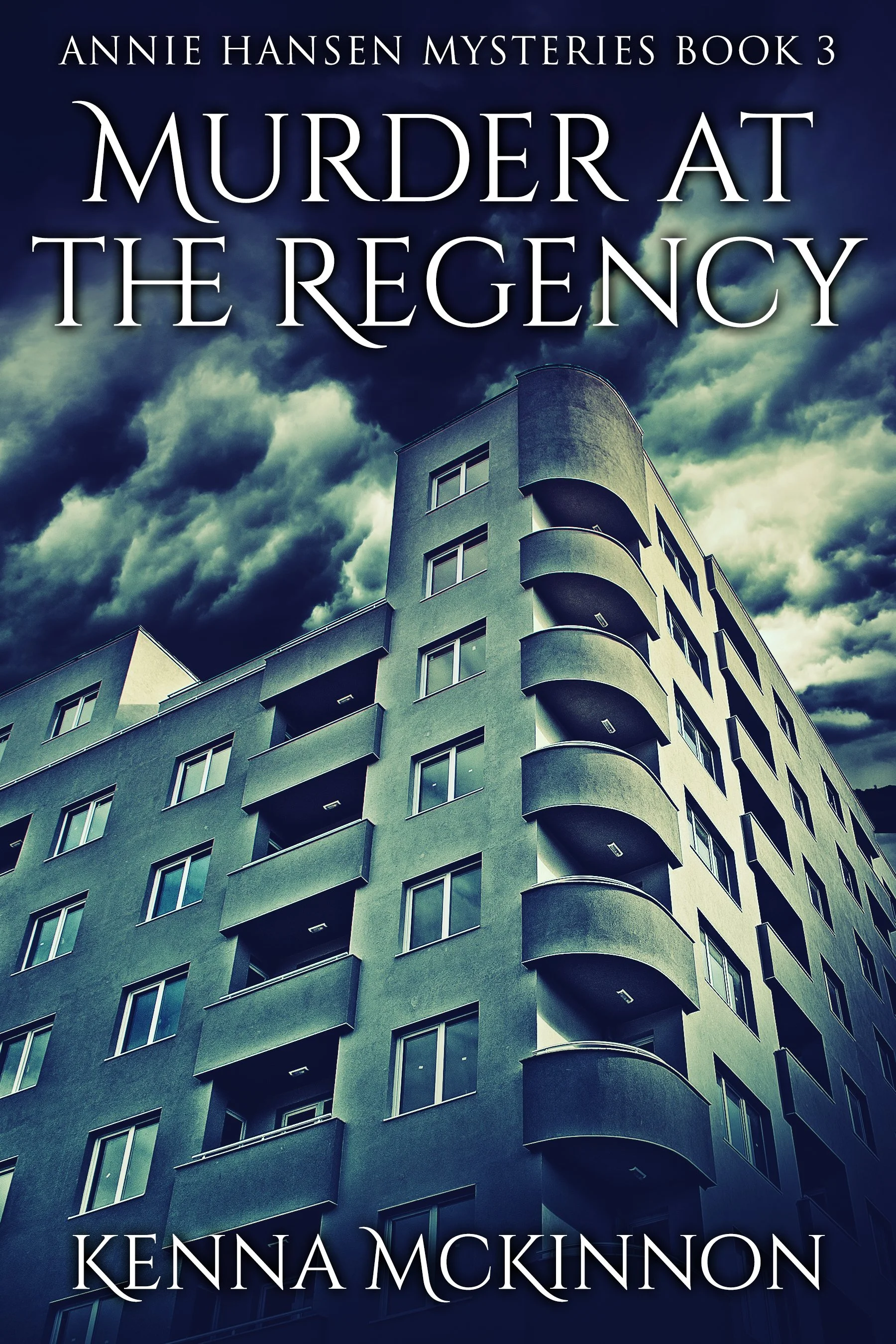
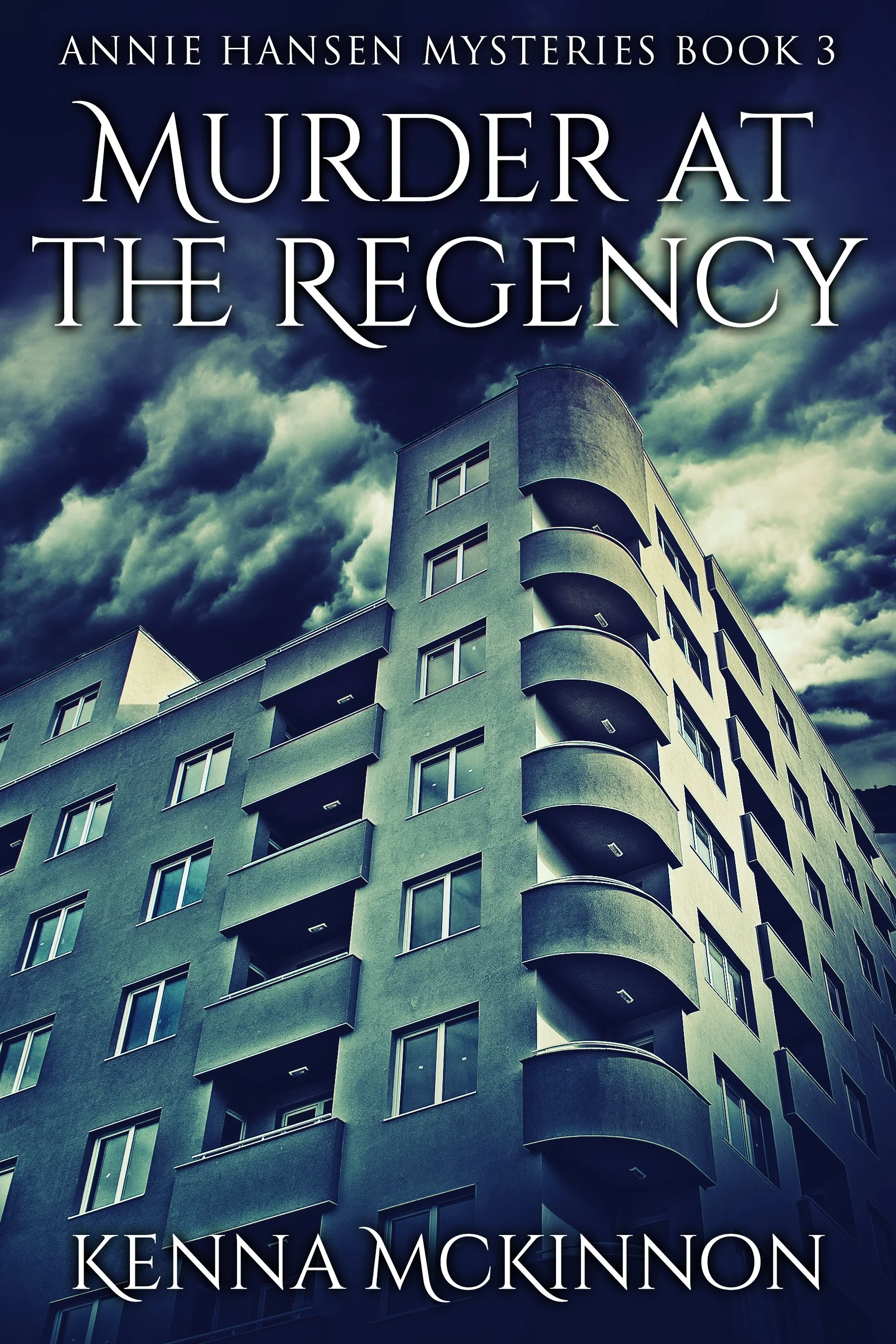
At the heart of every mystery lies not just a question of who committed the crime, but why people choose the paths they do—toward deceit, redemption, or forgiveness. In Murder at the Regency, Kenna McKinnon returns to her uniquely sensitive detective, Annie Hansen, to explore this space between logic and delusion, heart and mind. The story begins with the shocking murder of Mark Snow’s aunt, Clarise, in the quiet lobby of an Edmonton apartment building, but the deeper story is one of psychological depth—how love and perception shape the search for truth.
Annie Hansen is not the typical sleuth. Her schizophrenia colors her world in ways that make her both vulnerable and sharp, her intuition rooted in an altered but perceptive reality. McKinnon treats Annie’s condition not as an obstacle but as part of her essence, a complex lens through which the investigation unfolds. Annie’s hallucinations, sometimes unsettling, sometimes darkly poetic, act as both clues and companions in her pursuit of justice. Within her fragmented thoughts lie surprising clarity, revealing how often truth itself flickers like a mirage—never fixed, always shifting.
Mark Snow, the RCMP officer and Annie’s steadfast partner, provides the story’s grounding presence. His love for Annie is quiet and unwavering, not idealized but deeply human. Their relationship embodies the beauty of understanding someone wholly—madness and all. In the midst of murder, deceit, and the shadowy intersections of a charity scam and family secrets, Mark’s loyalty becomes an anchor. Together, Annie and Mark represent two sides of the same investigation: one rooted in emotional intuition, the other in procedural order. Their dynamic is not only romantic but redemptive, a testament to what it means to see and accept another person completely.
McKinnon’s narrative style blends intrigue with introspection, turning a tale of crime into a meditation on identity and perception. The Regency apartment building becomes a microcosm of hidden motives and long-buried grief—a place where secrets echo down its hallways and guilt takes physical form. Clarise’s murder is not simply a question to be solved, but an emotional reckoning for those left behind. Through Annie’s investigation, truths about family, loss, and inherited pain come to light, showing how love can survive even in the most fractured minds.
By the novel’s end, justice is done, but the greater victory lies in understanding. Annie and Mark’s journey culminates not in triumph but in renewal—they build a home, choosing stability over the chaos they’ve survived. Murder at the Regency ultimately asks what it means to heal after truth is found—to live with both the clarity and the cost of knowing. In Kenna McKinnon’s hands, the detective story becomes something larger: an exploration of love within madness, and the quiet courage it takes to face one’s own mind while searching for light in the dark.


Sed purus sem, scelerisque ac rhoncus eget, porttitor nec odio. Lorem ipsum dolor sit amet.