NEXT CHAPTER BLOG
Forbidden Love and Ghosts in A Necessary End
A fictional treatment of Booth brings supernatural pressure and a dangerous romance into his divided life.
Share
History reimagined with a haunting
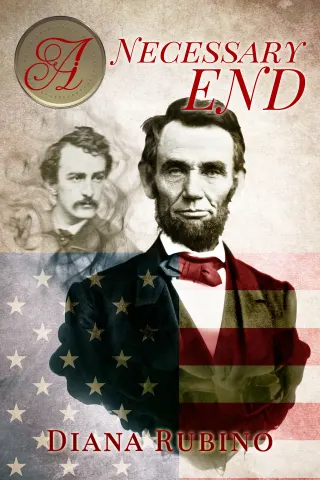
Diana Rubino’s A Necessary End imagines John Wilkes Booth as an actor living a double life as a Confederate spy. A malevolent spirit troubles him while he develops a plan to assassinate Abraham Lincoln. Those supernatural elements belong to the novel’s fictional treatment of a historical figure.
The haunting draws readers into an imagined private life alongside the historical conspiracy. Booth has intentions of his own, yet the malevolent spirit adds another pressure to the decisions he makes. The novel's paranormal approach gives his internal conflict an outward presence that belongs to this fictional version of events.
An attraction amid the plot
As Booth pursues his plan, he falls in love with actress Alice Grey. Their relationship places another loyalty beside his existing intentions. The romantic conflict grows from those competing commitments, rather than from a promise that affection will change the course of events.
His search for information about Lincoln's habits also brings a medium into the story. That contact joins the political plan to the supernatural thread. Romance, conspiracy, and haunting place different claims on Booth's attention, creating a portrait organized around the pressures of his double life.
Choosing the fictional approach
A Necessary End combines a historical figure with romance and the paranormal. Readers entering through Booth's relationship with Alice Grey will also encounter the competing intentions and supernatural presence around him. The attraction is part of a life already divided by secrecy, making their connection inseparable from the dangerous purposes he is pursuing.
FROM THE NEXT CHAPTER CATALOG