



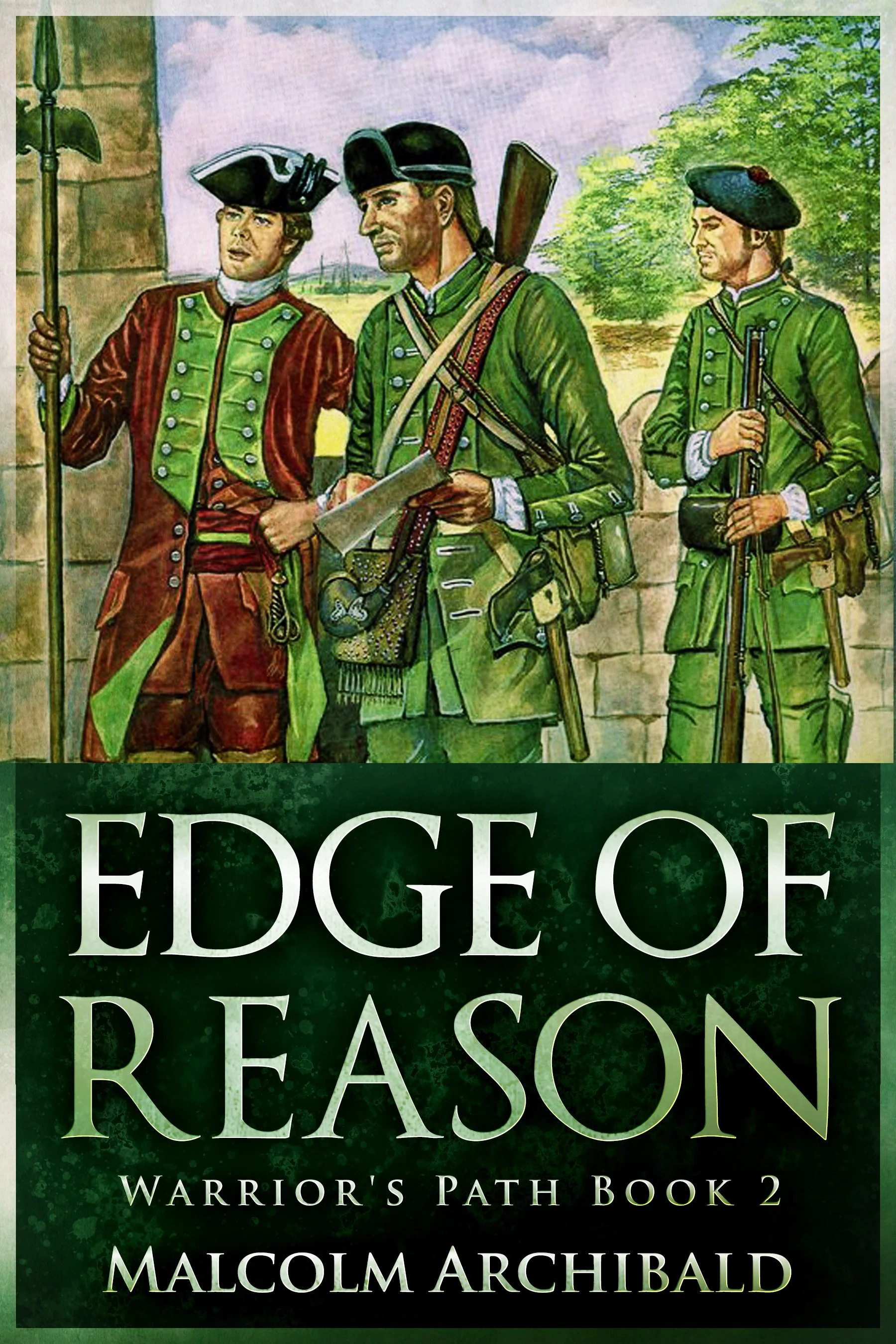
Haunted by War: The Search for Redemption in the Wilderness
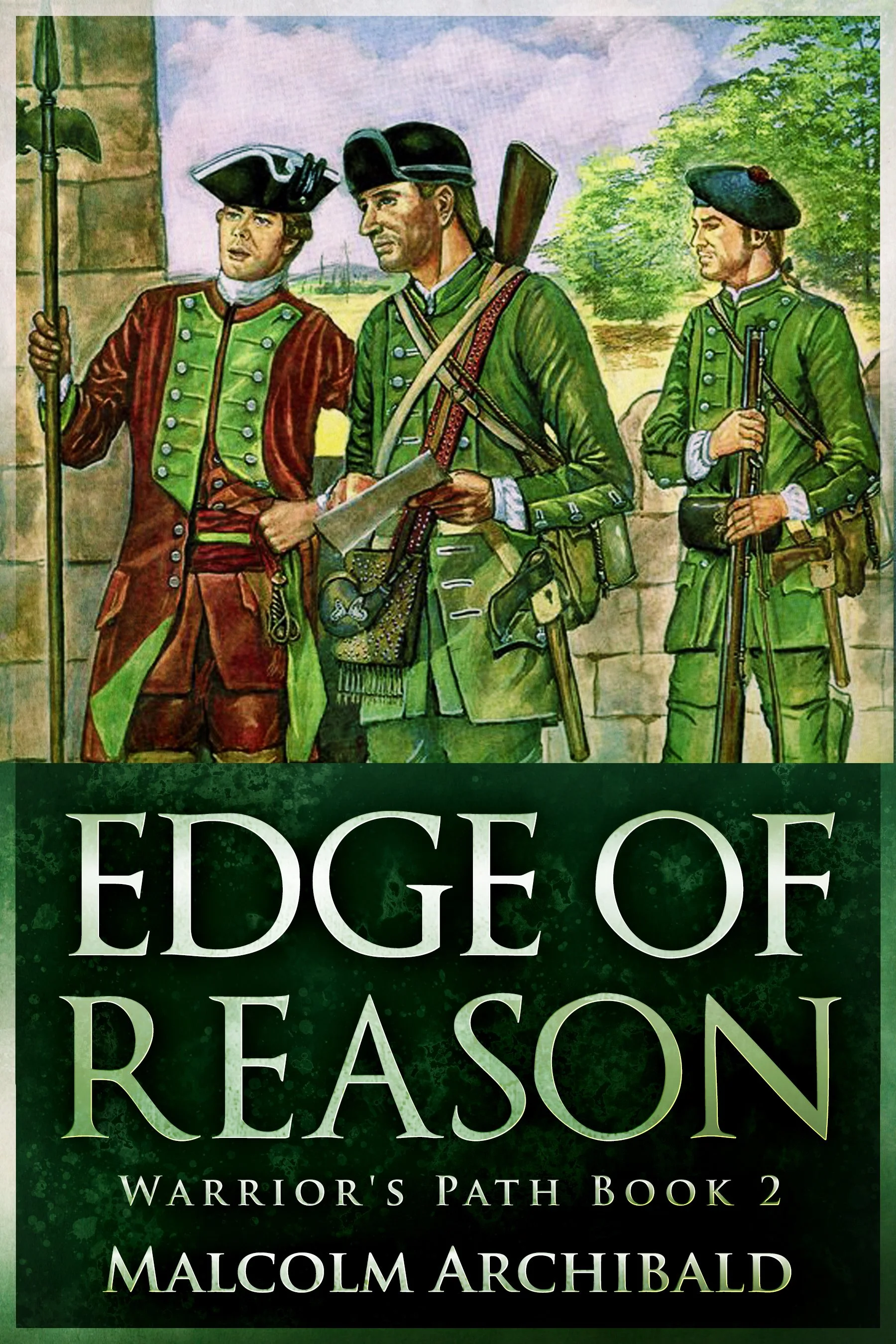
The winter of 1759 was one of exhaustion and moral decay. In the aftermath of Quebec’s capture, the frozen landscape of Canada became not a prize of empire, but a purgatory for those caught between duty and despair. In Edge of Reason, the silence of the snow is never peaceful—it’s filled with ghosts, both of the dead and of the selves that soldiers left behind. Hugh MacKim’s journey through the wilderness is less a military campaign than a descent into the fragile limits of the human mind, where vengeance blurs into madness and survival becomes a spiritual reckoning.
War, at its core, is a test of endurance—of the body, yes, but even more of the soul. When Tayanita is killed, her death fractures something in MacKim that cannot be repaired by battle or obedience. His enlistment in the Rangers is not loyalty to the crown but an attempt to stitch together meaning in the chaos left by loss. The forests of Quebec, shadowed by ambush and firelight, mirror his interior wilderness. Each skirmish strips away another layer of civility, pushing him closer to a line that men are not meant to cross. The “edge of reason” is not merely madness—it is the moment when grief demands either surrender or transformation.
Yet beneath the brutality of the campaign lies the faint pulse of humanity. MacKim’s bond with a displaced boy and his widowed mother, Claudette, speaks to the fragile ways compassion survives even in desolation. In this connection, the novel offers a glimpse of redemption—not as victory, but as understanding. The enemy, Lucas de Langdon, becomes both the mirror and the measure of MacKim’s torment. To kill him would be to claim justice; to spare him is to reclaim a soul. The revelation that Tayanita’s spirit seeks not vengeance but peace is the moment when MacKim steps back from the brink.
What emerges is not a tale of triumph but of endurance—of a man walking through grief until it dissolves into something quieter, something human. The wilderness that once demanded blood becomes the ground on which forgiveness can take root. By the novel’s end, MacKim’s sanity is not restored through conquest but through relinquishment. The ghosts recede, not because the past is undone, but because he has finally stopped fighting it.
In Edge of Reason, Malcolm Archibald captures more than a historical moment; he captures the thin, trembling space between duty and delusion, revenge and redemption. The snows of Quebec do not wash away sin—they preserve it, reflect it, and finally, in their silence, forgive it.

Sed purus sem, scelerisque ac rhoncus eget, porttitor nec odio. Lorem ipsum dolor sit amet.