



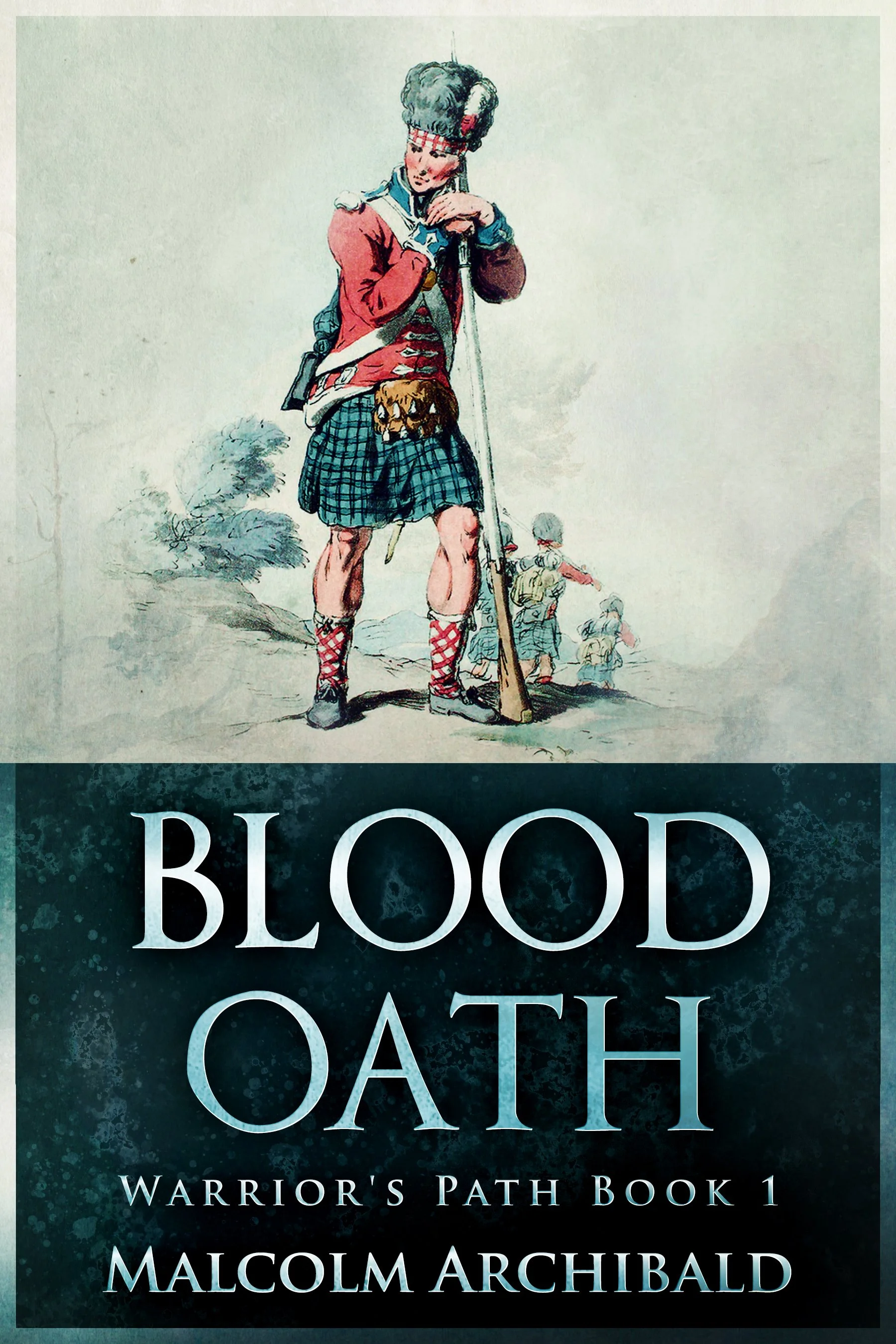
Echoes of Vengeance: The Long Journey Toward Forgiveness
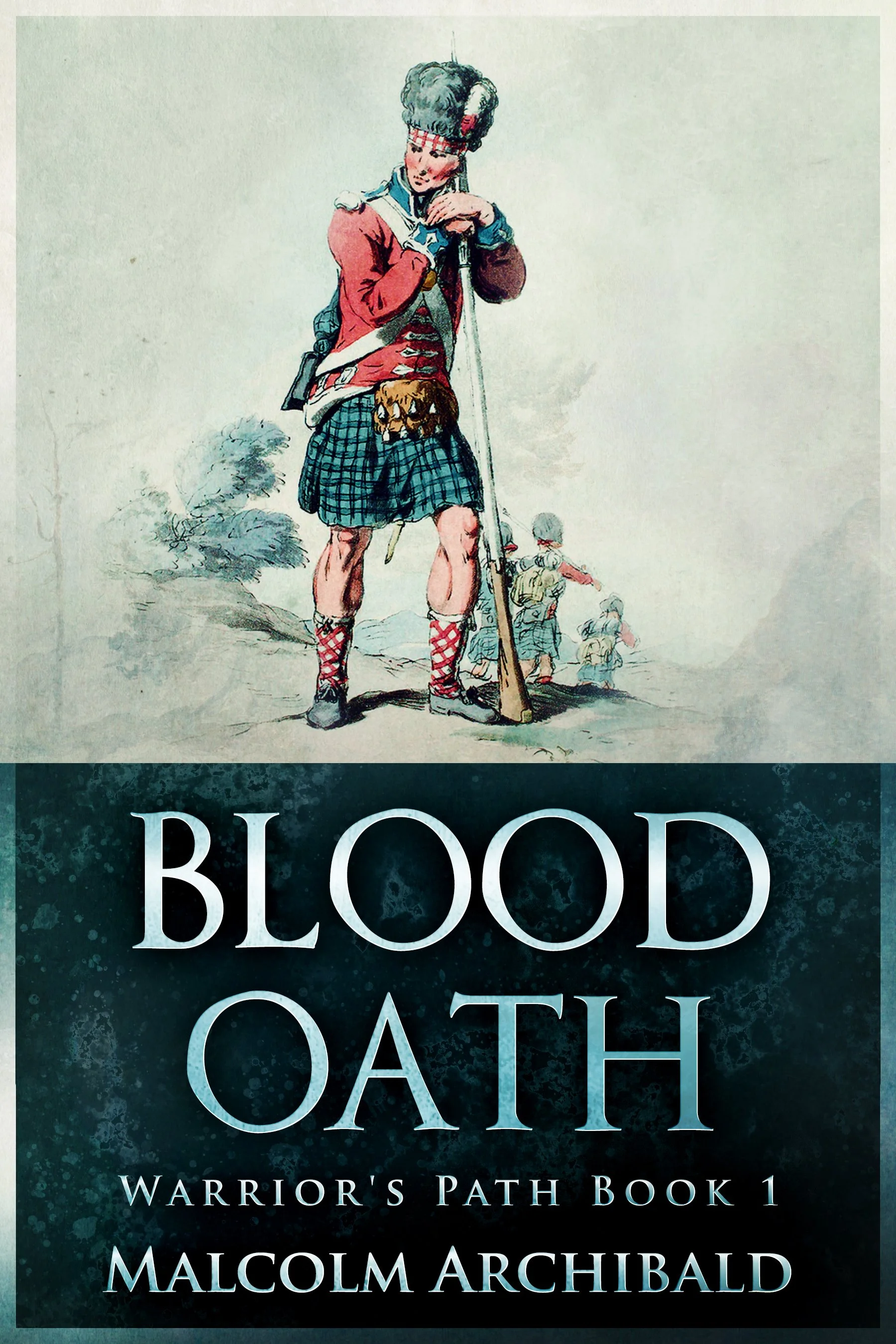
History remembers battles in dates and victories, but in Blood Oath, Malcolm Archibald reminds us that war is not only fought with muskets and steel—it is waged in the heart. The story of Hughie MacKim begins amid the smoke and slaughter of Culloden, where a ten-year-old boy watches his brother die at the hands of British soldiers. From that moment, his life becomes a single thread of purpose: vengeance. Yet as the years stretch from the Scottish Highlands to the forests of North America, vengeance itself begins to shift, losing its sharp edges, becoming something quieter and more human.
The search for justice in Blood Oath is not simple. It is a pilgrimage through grief and identity, through the slow reshaping of a soul marked by trauma. When Hugh joins Fraser’s Highlanders, he steps into a world that mirrors the chaos within him—where loyalty and brutality share the same uniform. Archibald’s depiction of the soldier’s life is grounded in mud, hunger, and the strange camaraderie born of fear. Amid these realities, the young Highlander learns that war, far from being an instrument of justice, can erode the very sense of right and wrong that once seemed so certain.
Across the Atlantic, the wilderness of North America becomes more than a backdrop for battle; it is a landscape of transformation. The siege of Louisbourg, the march through Quebec, the encounters with Native peoples—all carry a sense of reckoning. In this new world, Hugh confronts the ghosts of his past not as faceless enemies but as men like himself, scarred and tired, haunted by choices made long ago. His connection with Tayanita, the young woman he frees from captivity, deepens that reckoning. She becomes a mirror of another kind of strength—a reminder that survival can mean more than outliving one’s enemies.
The novel’s emotional center lies in Hugh’s struggle between love and duty, vengeance and mercy. His fleeting bond with Priscilla Wooler, and his eventual realization that love cannot grow from another’s pain, capture the quiet tragedy of a man who has lived too long in the shadow of an oath. When the final confrontation comes, it is not triumph that fills the air but release. The killing is not victory—it is surrender, a relinquishing of the weight that has bound him since childhood.
By the book’s end, when Hugh deserts the army and walks westward into the unknown, Archibald leaves readers with a question rather than an answer: What remains of a man when the oath that defined him is gone? Blood Oath does not glorify war or revenge. It reveals their emptiness and the faint, flickering light of redemption that can still emerge from ruin. In tracing one man’s path from vengeance to forgiveness, Archibald paints a haunting portrait of endurance—the kind that outlives both blood and battle.
Sed purus sem, scelerisque ac rhoncus eget, porttitor nec odio. Lorem ipsum dolor sit amet.