



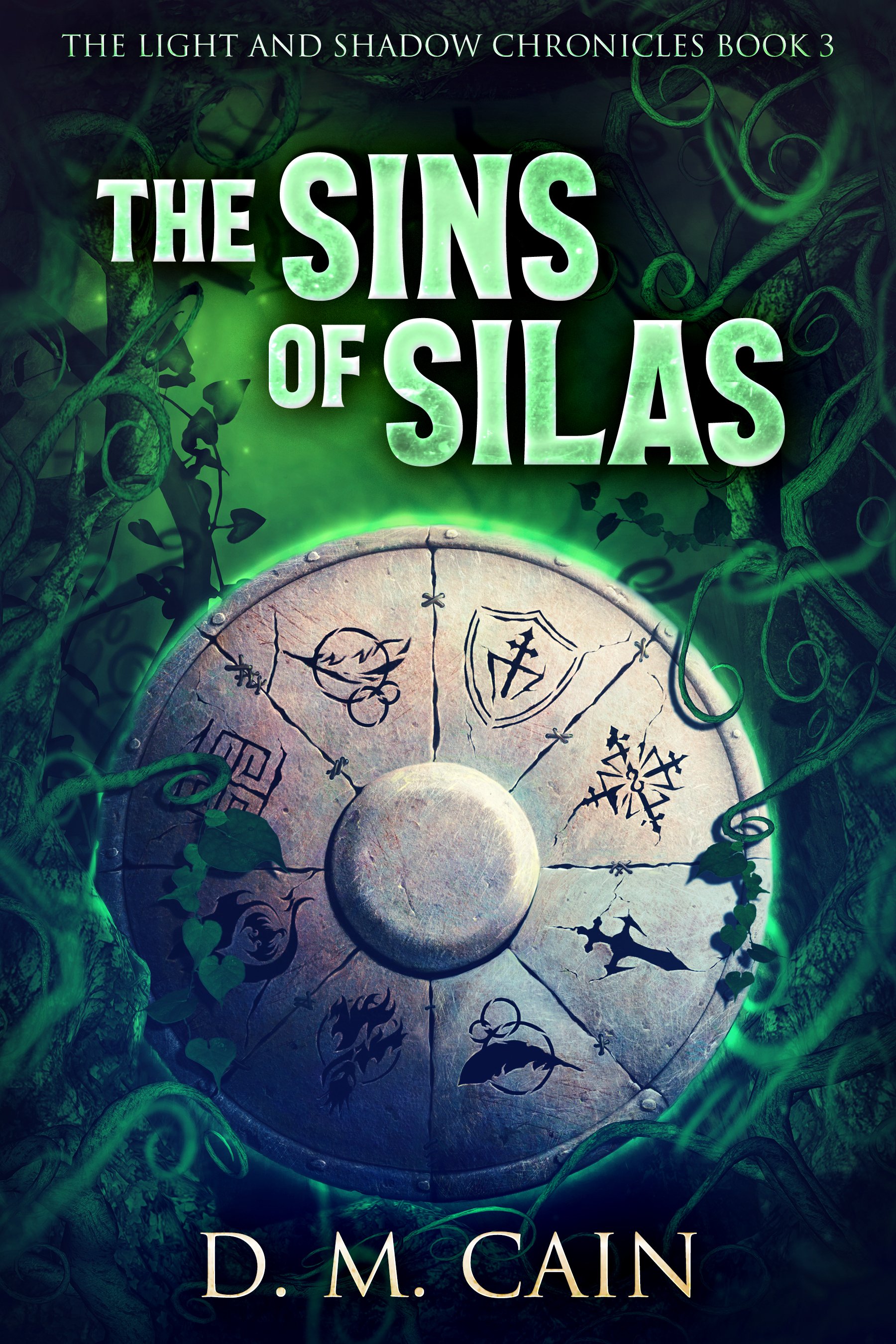
Healing From Childhood Trauma: Finding Power Through Moral Dilemmas in War
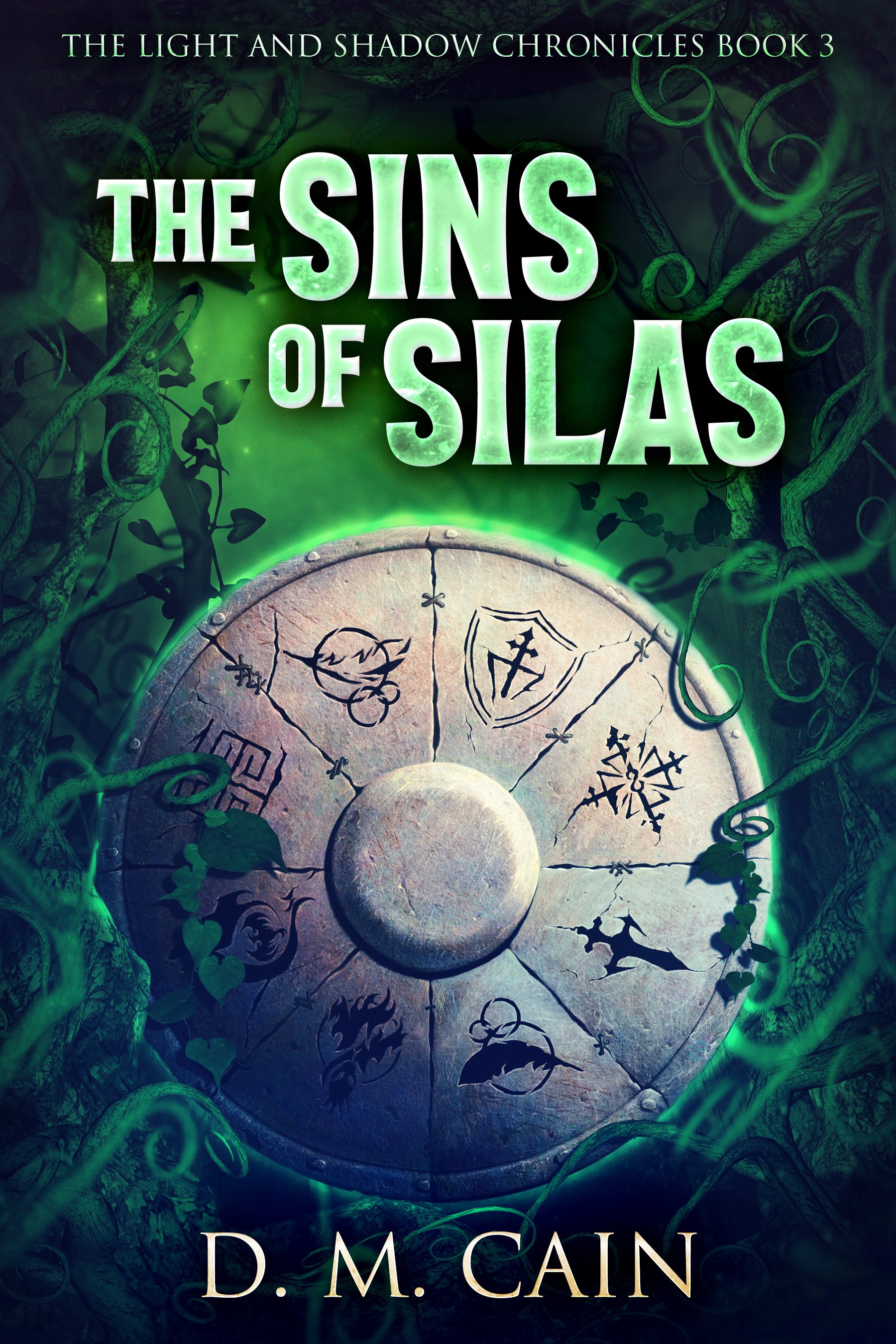
Even in a world where elixirs grant eternal youth and war is inherited like a bloodline, the deepest scars are often the ones we carry from childhood. The Sins of Silas explores the fragile, haunted psychology of a boy raised not just in a royal household, but in a kingdom ruled by unrelenting violence, cruelty, and abandonment. Silas Wilder’s story is not only a tale of rebellion against an oppressive regime, but a deeply human journey of someone trying to make sense of pain passed down through generations.
In the slums of Belkeep, where Silas earns his title as “Champion,” poverty and celebration exist side by side. His Ager fests are defiant acts—honoring the aging process in a culture obsessed with immortal youth, and inviting those discarded by society into fleeting moments of joy. Yet beneath the food, music, and laughter, the city is broken, and so is Silas. His upbringing—without the privilege of the Everyoung elixir and under the looming shadow of a merciless father—leaves him grasping for control, for family, for purpose.
Haunted by a massacre he survived as a child, Silas is pulled into conflict not by glory but by necessity. Through the eyes of someone unprepared for heroism, the horrors of battle and the weight of command are not romanticized. Instead, war becomes a crucible for moral complexity. Silas must decide whom to sacrifice, whom to save, and whether victory is worth becoming the very tyrant he’s trying to overthrow. These questions echo the trauma of his past: the isolation, the fear, the aching need to protect those he loves even when he can’t always save them.
As Silas forms his elite strike force—drawn from siblings, outcasts, and unlikely allies—he begins to reshape the narrative of what strength looks like. No longer merely the reckless party-thrower or the impulsive rebel, Silas becomes a strategist, a leader, and perhaps most importantly, a brother who begins to listen and learn. When faced with betrayal, death, and the loss of identity, he turns to trust, ingenuity, and finally, restraint. His decision to spare Raven, despite every reason not to, signals a moment of growth: a refusal to perpetuate the cycle of vengeance that shaped his father’s rule.
But transformation does not always bring comfort. By the end, Silas has traded the affection of the people for the cold acceptance of the palace. His siblings wear fine clothes and smile for nobles, but the slum-born guests are absent. The title he fought so hard to earn—Champion of the Slums—no longer fits. In its place is something more complicated: the uneasy weight of success in a world that demands sacrifice.
The Sins of Silas is, at its heart, about what it means to become powerful without losing the self that once fought for justice. It asks whether it’s possible to heal from the wounds inflicted by family and history, and whether true leadership is about holding onto empathy even when the world rewards cruelty. Silas’s journey is far from over—but in confronting his past, he begins to imagine a different future.



Sed purus sem, scelerisque ac rhoncus eget, porttitor nec odio. Lorem ipsum dolor sit amet.