



Healing Through Creativity: How Art Can Save the World
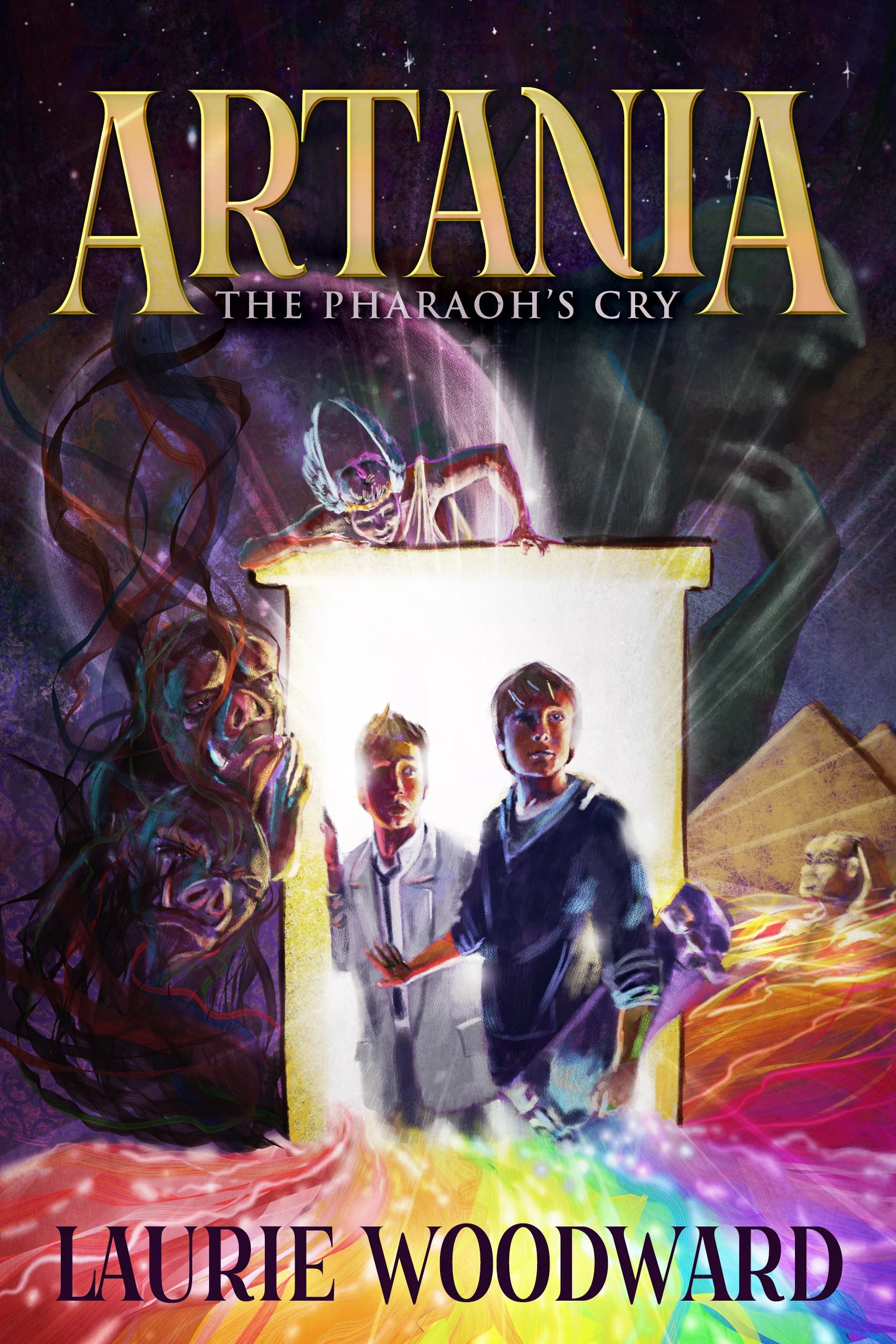
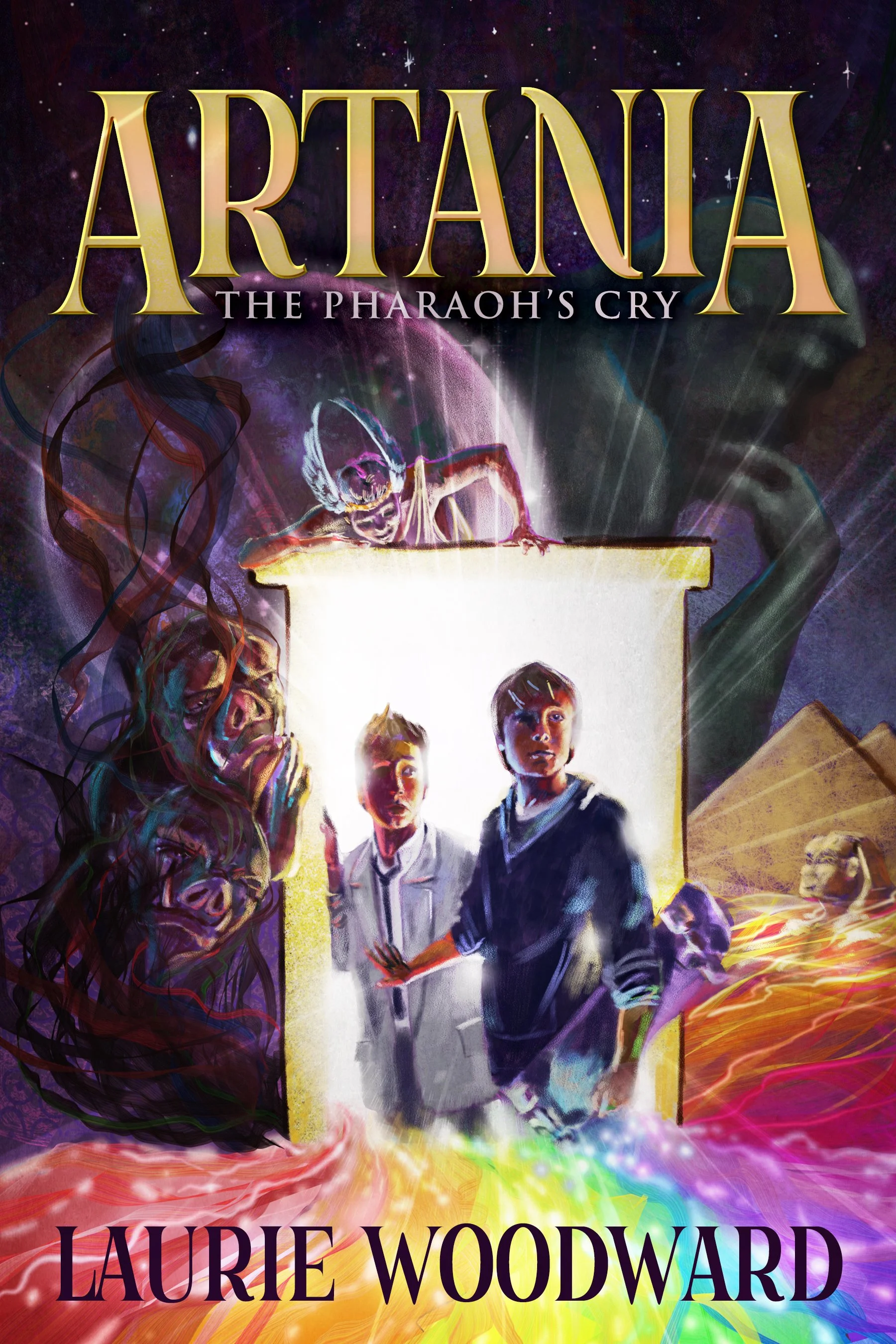
There’s a quiet kind of ache that comes from being unable to express who you are. For eleven-year-old Bartholomew Borax III, that ache takes the form of blank pages and forbidden crayons. Trapped by a grief-stricken mother obsessed with cleanliness, his days are sanitized into stillness—no play, no school, and certainly no art. But creativity, like emotion, has a way of seeping through the cracks. Bartholomew sketches in secret, each line drawn not just in rebellion, but in hope.
The imaginary world of Artania bursts from this hidden hope: a realm where art lives and breathes, and where its existence is under threat. This fantastical mirror, vibrant with living sculptures and paintings, reflects more than just an escape—it becomes a battlefield where the act of creation is both weapon and salvation. Here, Bartholomew isn’t merely a lonely boy with a pencil; he’s a maker, a protector, a force. And through this journey, fiction quietly reminds us that creativity isn’t just frivolous fun—it’s a form of healing, a restoration of order in the chaos left behind by trauma.
The presence of Egyptian gods walking beside Bartholomew reinforces the ancient and universal power of myth. These divine allies are not distant figures but companions in his coming-of-age, suggesting that creativity connects us across cultures and time. As Bartholomew fumbles, falters, and eventually fights to protect this world of imagination, his story becomes a reflection of every child’s need to be seen and every adult’s longing to return to wonder.
In Artania, the stakes are immense, but so is the reward: the reclamation of a part of the self long buried. While Sickhert’s army embodies destruction and fear, Bartholomew’s art is about rebuilding—about beauty in the face of devastation. That is what makes his triumph so poignant. He doesn’t win because he becomes fearless; he wins because he dares to create, even when it hurts.
At its heart, this is a story about the quiet rebellion of making something new. In a world where children often feel powerless, Artania – The Pharaohs’ Cry whispers that imagination is its own kind of strength. And that sometimes, saving a magical world is just another way of saving yourself.

Sed purus sem, scelerisque ac rhoncus eget, porttitor nec odio. Lorem ipsum dolor sit amet.