



Justice and Persistence: Finding Hope in Grassroots Movements
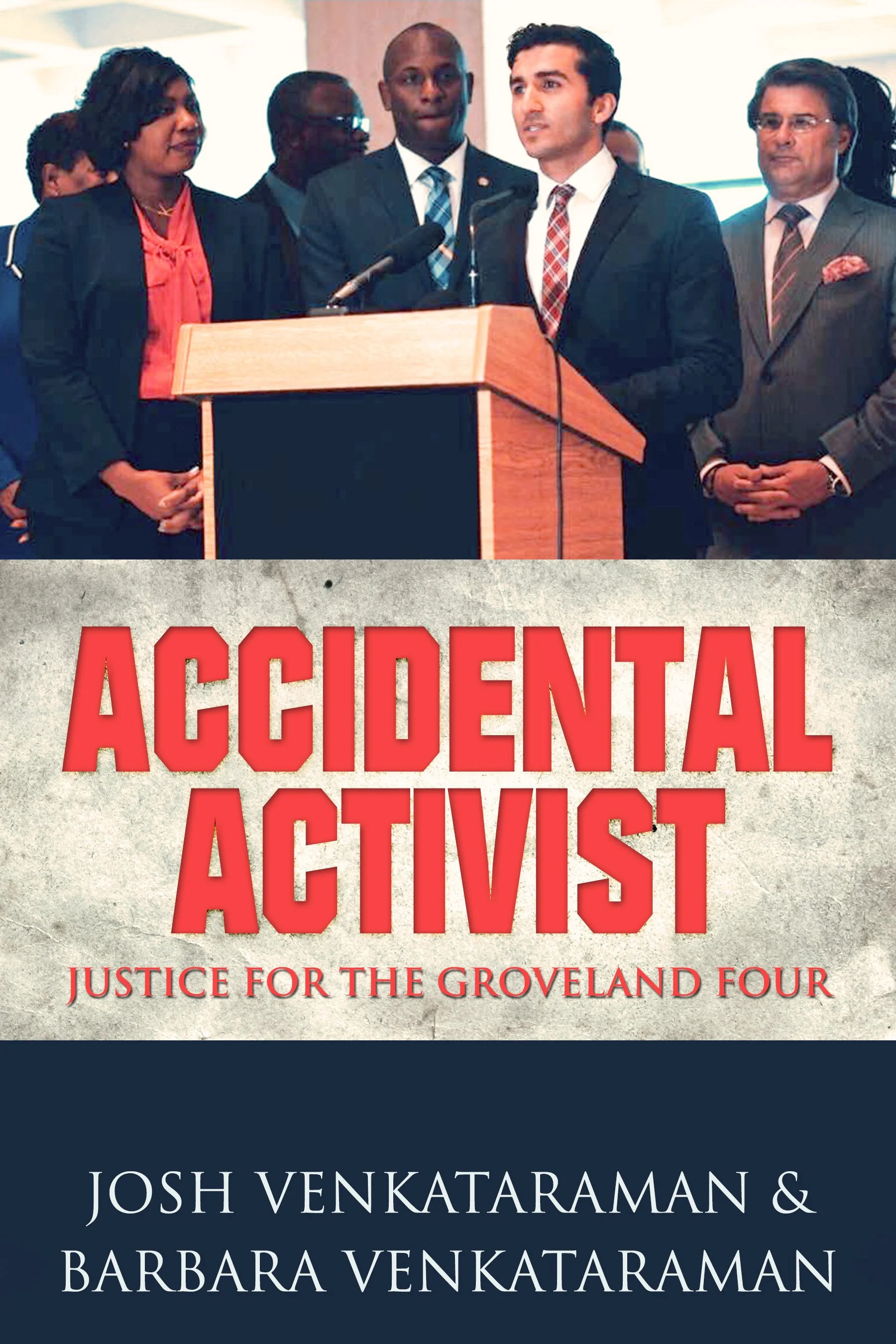
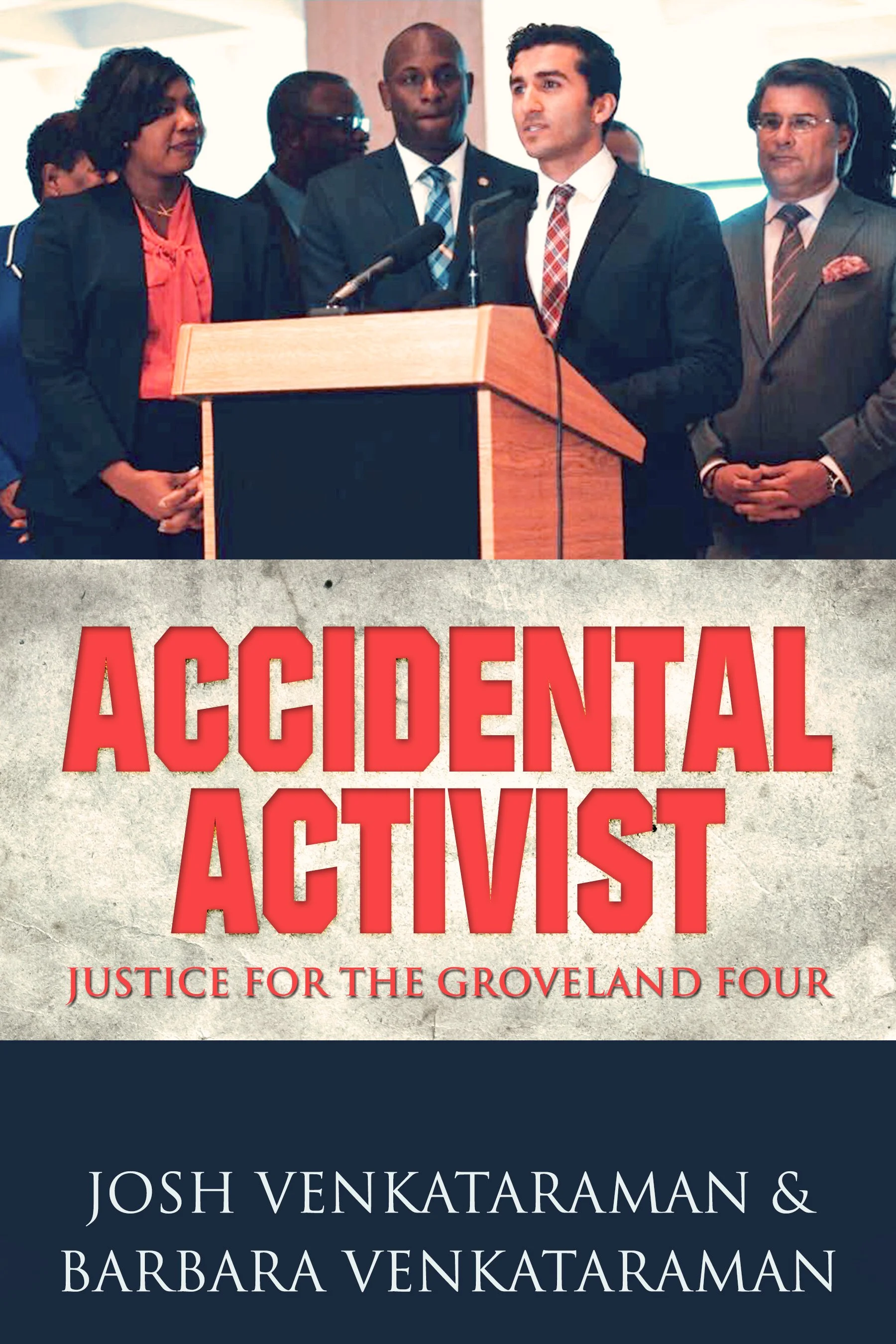
The quest for justice often begins in unexpected ways. For Josh Venkataraman, it started with a road sign pointing to Groveland, Florida, a place tied to a painful legacy of racial injustice. What followed was a four-year journey toward exoneration for The Groveland Four—four young Black men falsely accused in 1949. His path, chronicled with honesty and resilience, offers more than a historical recounting; it serves as a meditation on what it means to persist when the odds seem overwhelming.
At the heart of this story lies the tension between time and determination. Progress comes slowly, and often in ways that defy careful planning. A petition that seemed fruitless at first eventually became a powerful instrument of change. Meetings with hesitant allies evolved into deep friendships and lasting partnerships. The journey underscores an essential truth: movements for justice are rarely linear. They bend and twist, often stalling, sometimes breaking, but eventually finding their way forward through persistence.
Equally powerful is the reminder that help can arrive from places never anticipated. A child writing a book, a senator taking interest, or even a stranger moved by a newspaper column—all became pivotal to advancing the cause. This unpredictability reveals a profound interconnectedness, where the actions of one can ripple outward, touching lives and altering the course of history. It suggests that no effort is wasted, even when results feel invisible at first.
There is also the deeply human aspect of forgiveness and reconciliation woven into the narrative. Families scarred by decades of injustice chose to share their grief, not with bitterness, but with a desire to heal. An apology from a descendant of a sheriff who once brutalized their loved ones, and the decision to forgive rather than condemn, reflect the quiet power of compassion in the pursuit of justice. It is a reminder that activism is not solely about policy shifts or legal victories, but about mending the human spirit.
Ultimately, this account speaks to anyone who has felt compelled to act on behalf of a cause, no matter how small or overwhelming. It insists that persistence matters, that flexibility is essential, and that even when the road is long, change is possible. Justice delayed may never fully erase the pain of the past, but the act of seeking it becomes a testament to human dignity, resilience, and hope.





Sed purus sem, scelerisque ac rhoncus eget, porttitor nec odio. Lorem ipsum dolor sit amet.