



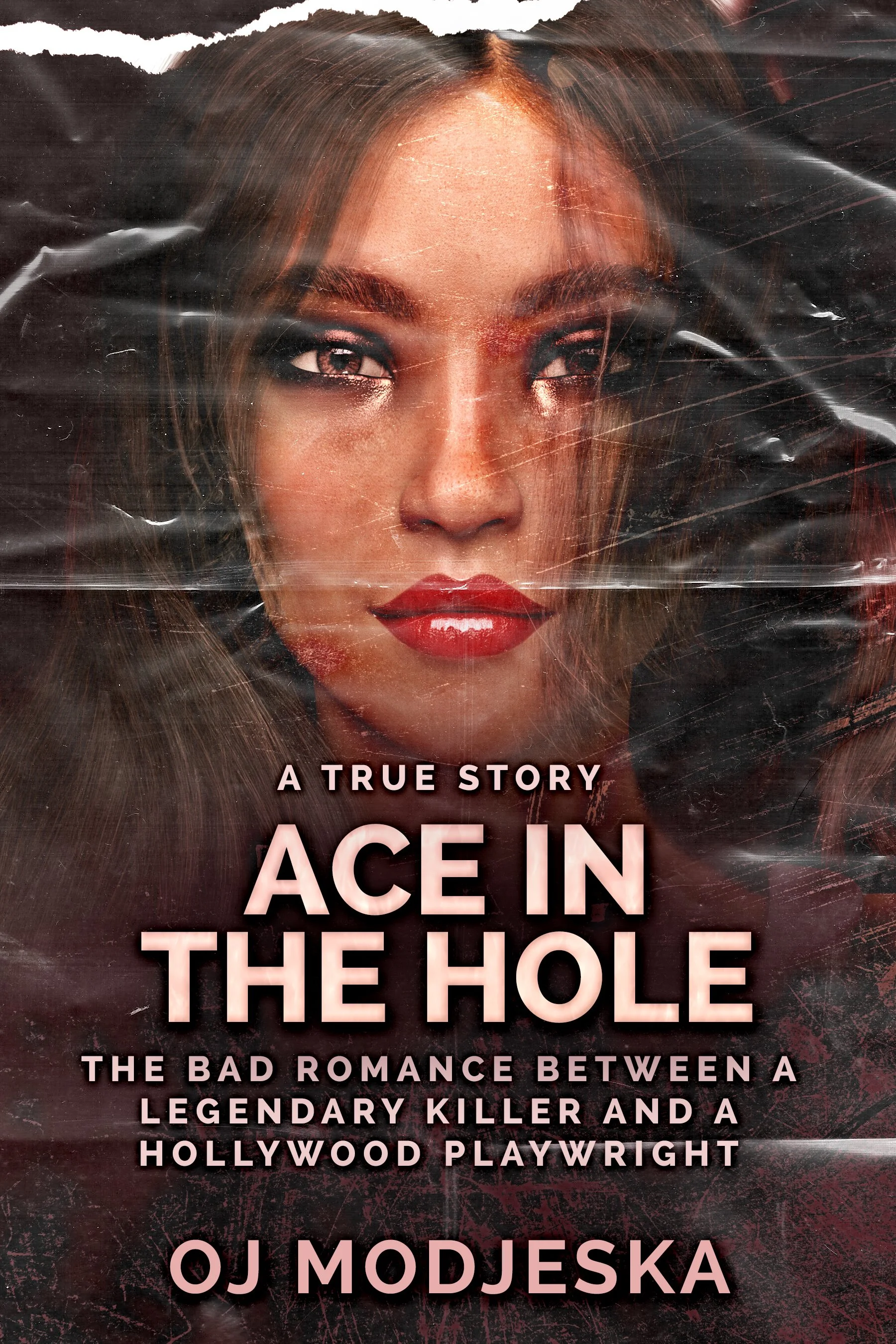
Love and Obsession in True Crime: The Dangerous Charisma of Serial Killers
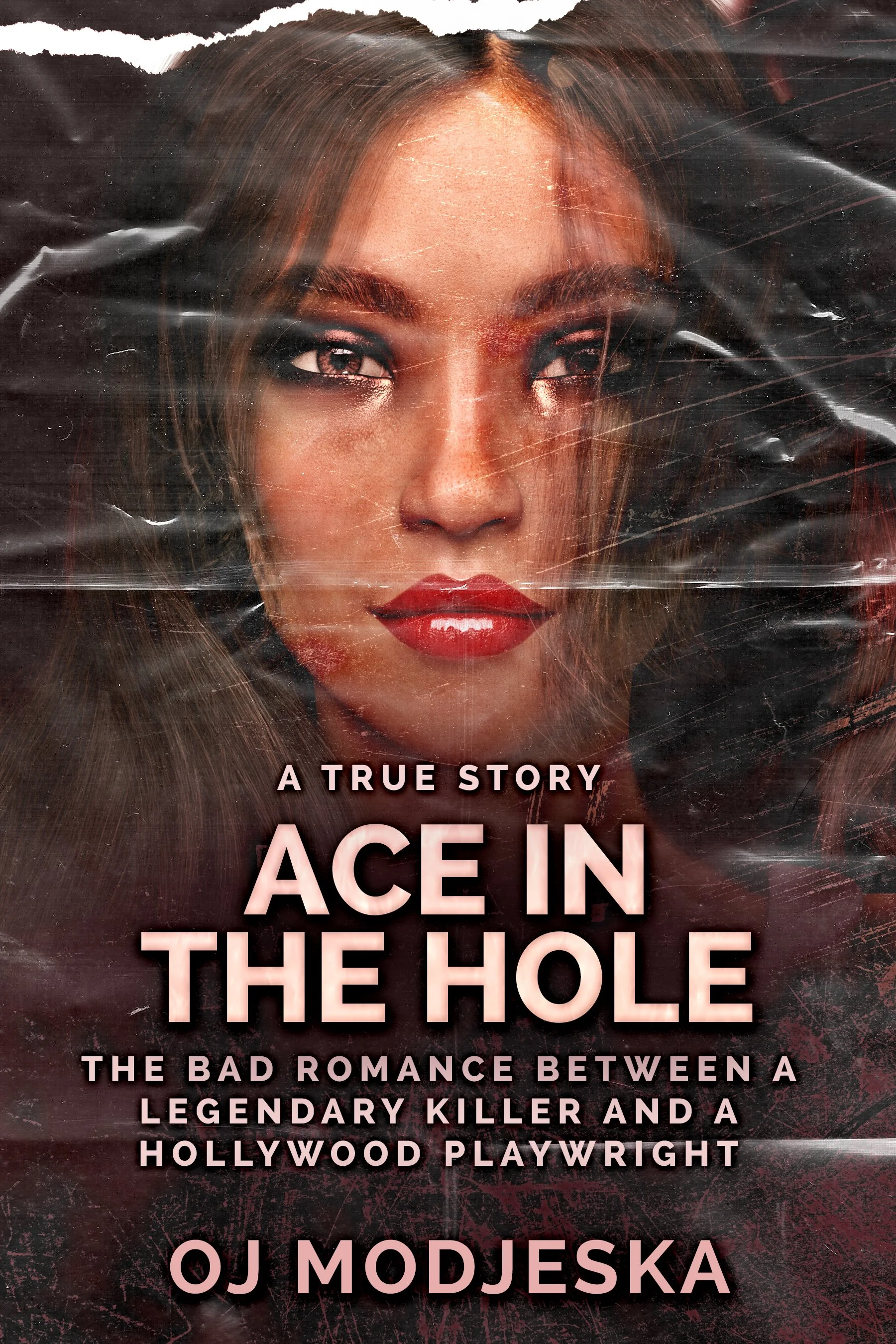
When we think about obsession, it often carries the echoes of passion, desire, and vulnerability. In the shadowy world of true crime, however, obsession can become a dangerous force, capable of binding people to those who embody destruction itself. The unsettling story of a Hollywood actress who sought out one of America’s most notorious incarcerated serial killers captures this paradox with chilling clarity. What begins as artistic curiosity slowly unravels into a perilous entanglement, blurring the line between devotion and destruction.
The actress’s journey reflects the uneasy allure of charisma in the darkest of places. Charisma is, after all, not confined to saints or heroes—it thrives in predators, too. Within prison walls, stripped of power in the conventional sense, a manipulator’s words and presence can take on a hypnotic weight. For the actress, what began as research for a play was also a pursuit of prestige and recognition, a hunger for a story that would electrify Hollywood. Yet the very qualities she hoped to capture—drama, menace, intensity—began to seep into her own reality. In pursuing a monster, she risked becoming a character in his performance.
At its core, this episode reveals how art and ambition can intersect with danger. The impulse to create is often born of empathy, of entering into lives unlike our own to better understand the human condition. But in the case of true crime, there is always the question of how far is too far. The actress’s desire to craft a narrative from a killer’s mind speaks to a broader cultural fascination: the way we are drawn to the forbidden, the grotesque, and the violent, not merely to condemn it but to look for meaning inside it. When the storyteller begins to blur the boundary between research and participation, however, the story stops being art—it becomes life-threatening reality.
There is also a haunting element of love intertwined with this descent. Affection for someone so destructive challenges our ideas of rational choice and human resilience. It compels us to ask whether love, in its most extreme form, can override morality, safety, and even self-preservation. For the actress, devotion became a test—a dangerous dare from the man behind bars, one that called on her not only to write about violence but to embody it. Here, the line between fiction and truth collapses entirely, showing us the devastating consequences of surrendering too fully to another’s will.
The story lingers because it is not simply about crime, nor about art, but about the fragile intersection between them. It is about how fascination can slip into obsession, and how the drive to create can sometimes court destruction. In the end, it poses a question that reaches far beyond this strange episode of American history: when we look too closely into the darkness, are we observing it, or is it pulling us in?
Sed purus sem, scelerisque ac rhoncus eget, porttitor nec odio. Lorem ipsum dolor sit amet.