



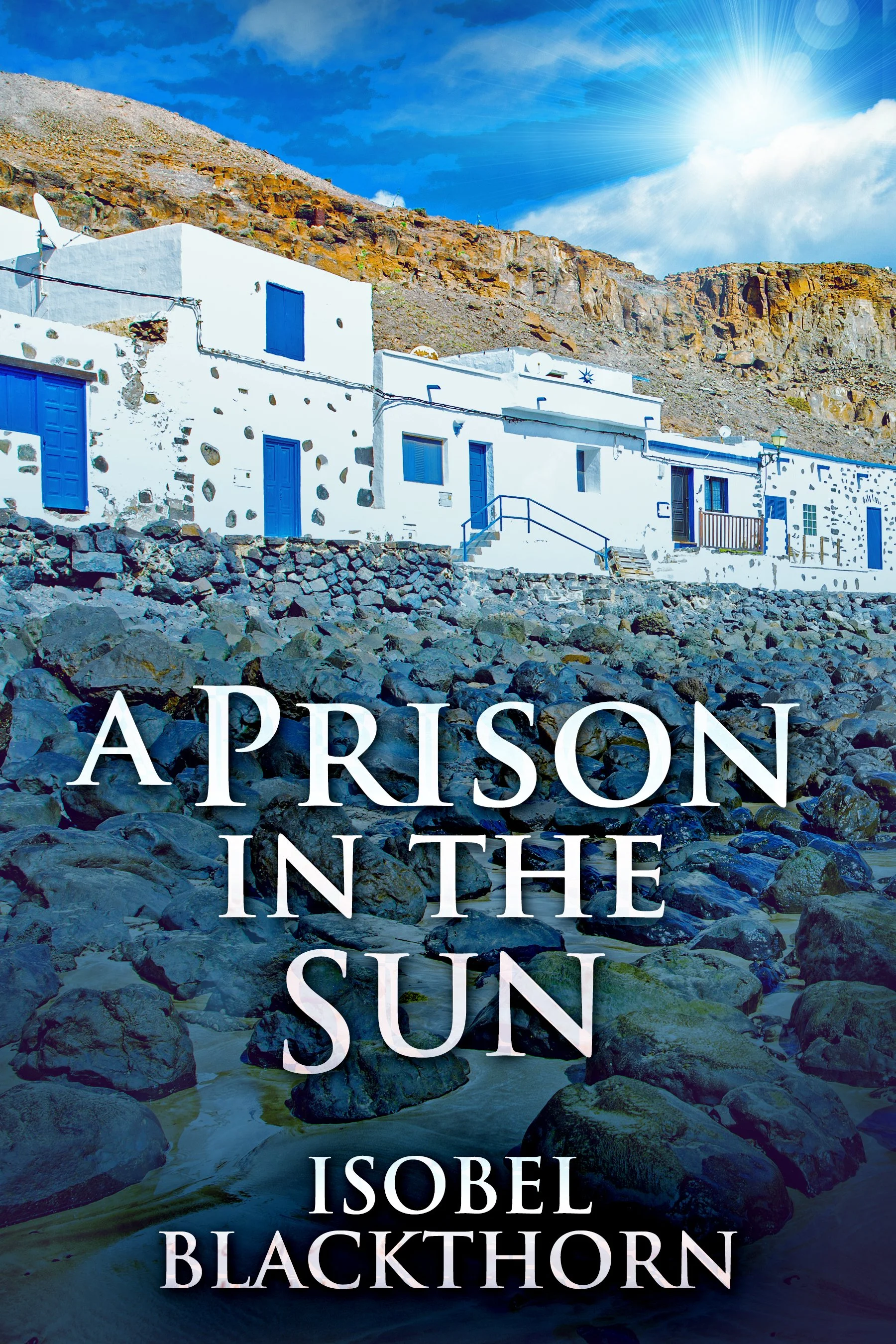
Moral Dilemmas in Fiction: Uncovering Hidden Histories
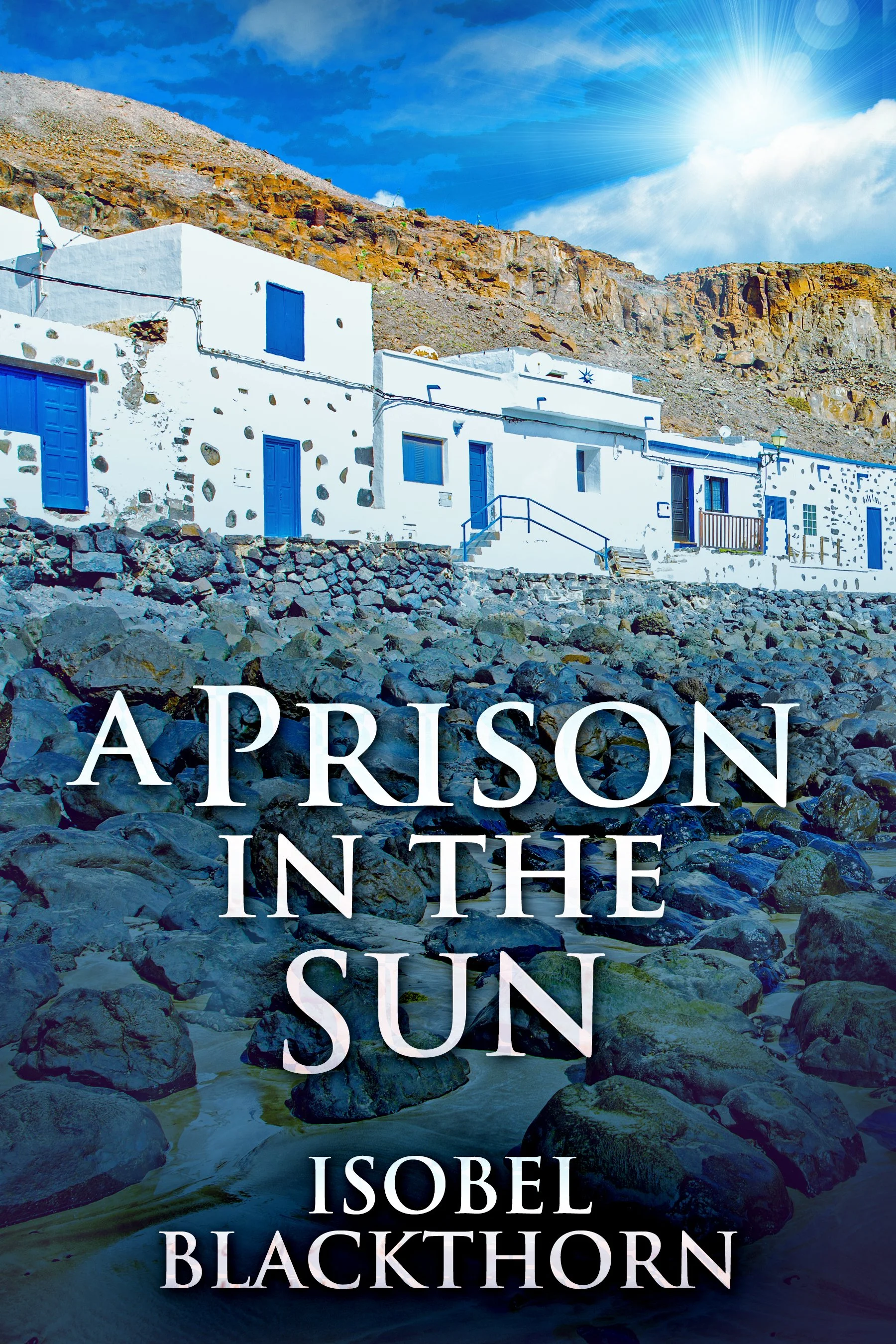
Some stories begin with a single, unexpected choice—a moment when the protagonist is handed the moral weight of another life’s secrets. In this case, that choice arrives in the form of a rucksack stuffed with cash, discovered by Trevor Moore, a millennial ghostwriter seeking inspiration in the stillness of Fuerteventura. At first, the find seems like a straightforward stroke of luck or perhaps the seed of a conventional mystery. But as Trevor wrestles with the decision to return the money or claim it as his own, the narrative drifts into deeper, darker waters, where personal ethics collide with the buried injustices of history.
The island itself becomes more than a backdrop; it is a keeper of silence, a place where sunlit serenity masks the remnants of suffering. In uncovering the harrowing existence of a mid-20th-century concentration camp that targeted gay men, Trevor’s journey shifts from self-interest to bearing witness. The moral dilemma that began with a bag of cash expands into a reckoning with collective memory—one that asks what we owe to those whose stories were nearly erased.
Hidden histories like this demand more than casual curiosity. They press against the comfort of distance, making the reader question how such cruelty could occur within living memory, and why it remains so little known. Trevor’s gradual immersion into this truth parallels the act of historical recovery itself: piecing together fragments, confronting contradictions, and accepting that some answers may be as unsettling as the questions. In this way, the novel blurs the line between detective work and moral archaeology, revealing that uncovering the past can be as dangerous, and as necessary, as facing the present.
Fiction that intertwines ethical choice with historical fact often leaves its characters—and readers—transformed. The question of whether to keep or return the money becomes almost secondary to the weight of the stories that emerge from the shadows. It suggests that the true currency at stake is not cash, but conscience: the willingness to acknowledge injustice and carry its truth forward, even when it complicates the safety of the present.
In following Trevor’s tangled path, the novel doesn’t offer the easy comfort of resolution. Instead, it asks something harder: that we hold space for the grief of others, that we recognize the moral threads binding past and present, and that we acknowledge the quiet courage required to tell the stories that history tried to bury. The sunlit fields of Fuerteventura may seem far removed from those dark years, but as this narrative reminds us, light always casts shadows—and it’s in tracing their shapes that we come to understand both the cost and necessity of remembrance.


Sed purus sem, scelerisque ac rhoncus eget, porttitor nec odio. Lorem ipsum dolor sit amet.