



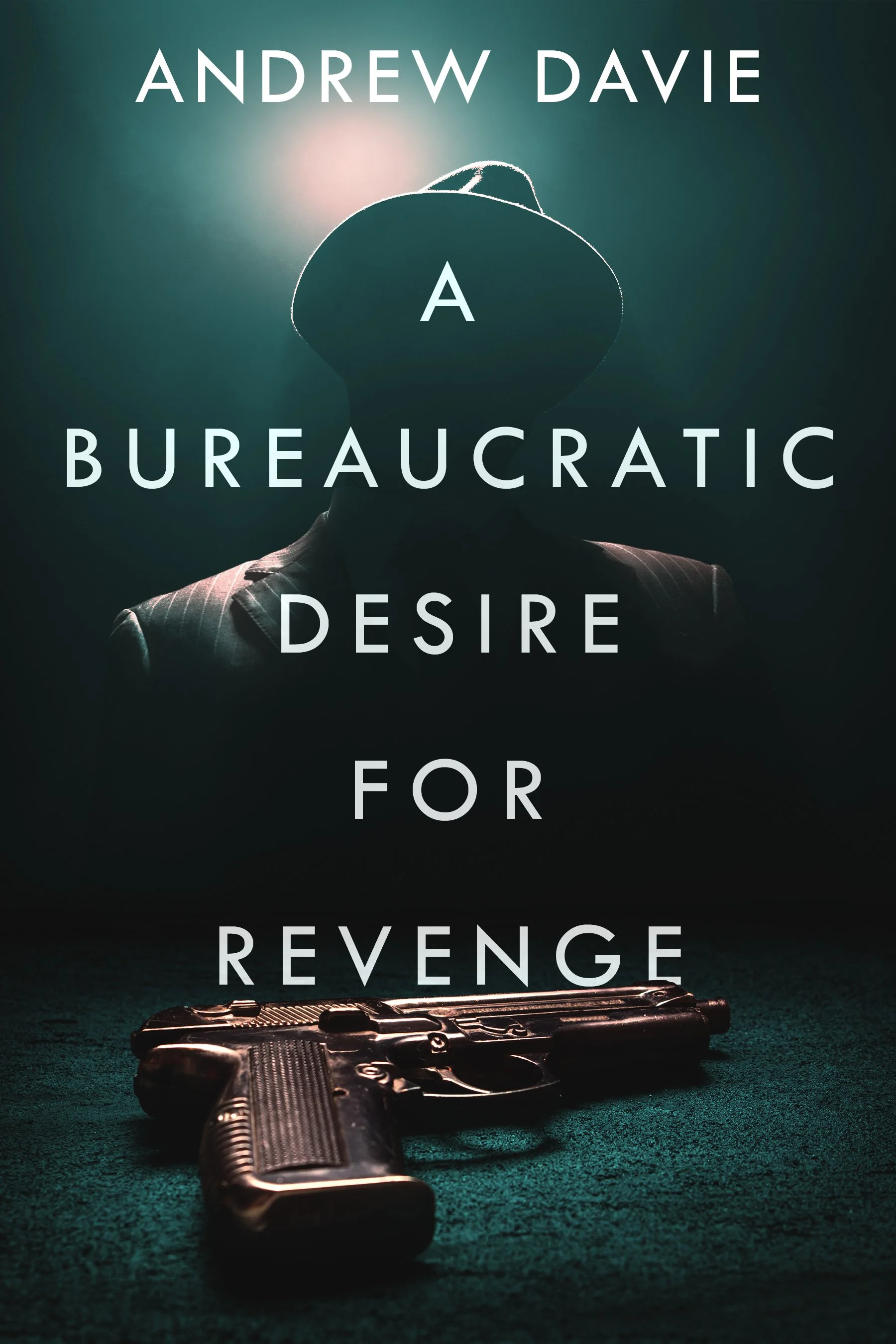
Revenge That Burns and Comforts: A Bureaucratic Desire for Revenge
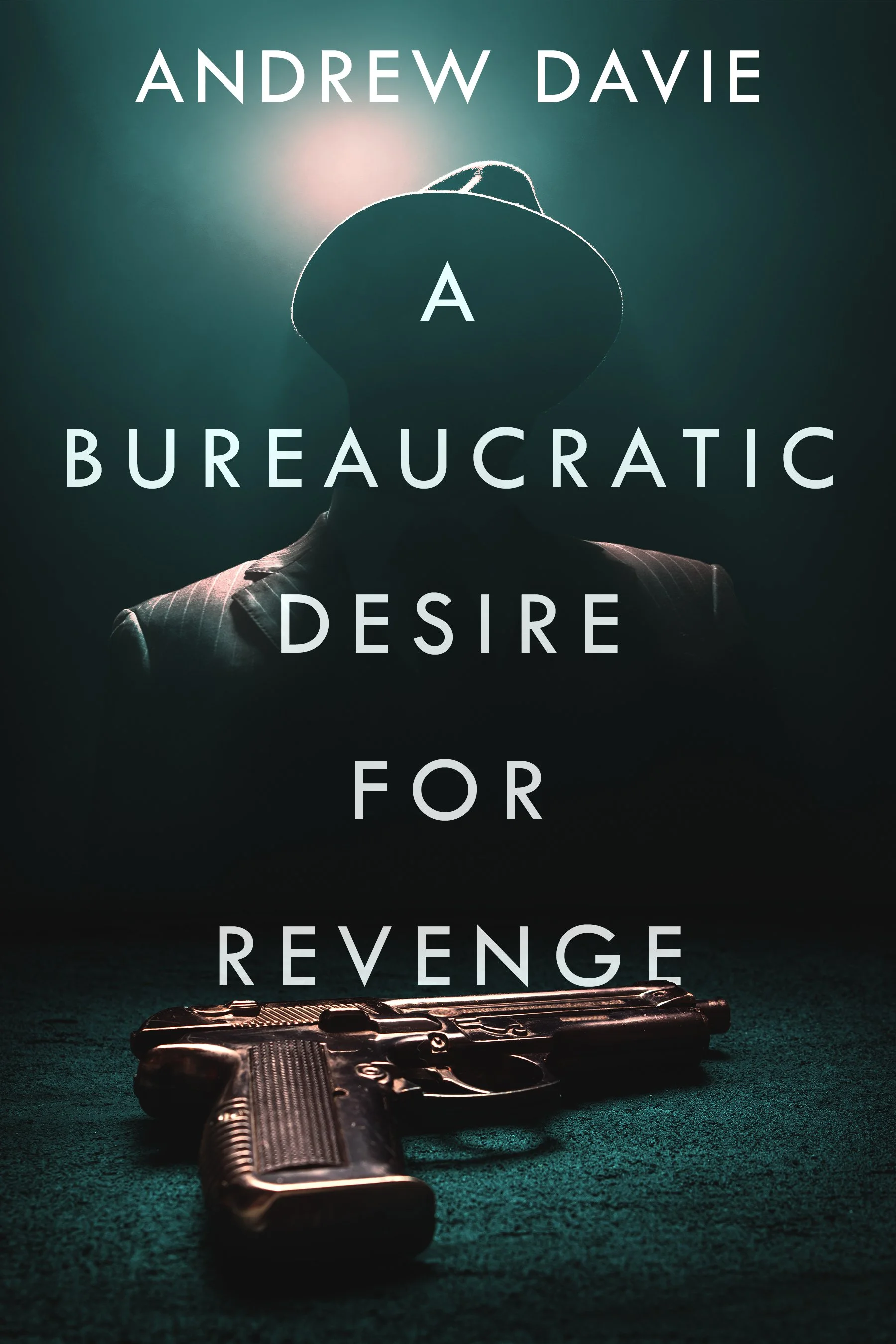
In a shadowed office or a wartime bunker, where cold regulations meet hot fury, vivid tension emerges. Revenge That Burns and Comforts reveals how a bureaucratic desire for revenge can stoke both anger and twisted solace in its characters. Across decades—from the dust-choked streets of the Great Depression to the glossy digital age of the 21st century—this tension remains uncannily constant.
Within Andrew Davie’s stories, every act of retribution is measured in forms both official and intimate. A police officer haunted by corruption, a private investigator undone by obsession, a repossession agent wielding power like punishment: none escapes the echo of their past deeds. Vengeance becomes procedure, and yet in procedural exactness, the flame of fury burns all the brighter. The characters’ bureaucracy is not red tape; it is scaffolding for resentment.
But beneath the rectangles of forms and indices, there is a human craving. Each character aches with longing—not for justice, exactly, but for something more elemental: to be seen, to strike back, to reclaim dignity. For them, revenge is not destruction, but a kind of warmth. The stories remind us that our darkest choices often disguise a yearning to feel alive, even if only through confrontation.
This is grief dressed as grievance. Whether stirred by greed or betrayal—or perhaps misguided love—it is the same bureaucratic architecture that channels the characters’ vendettas. And Davie draws this landscape with clarity: policy and paperwork coexisting with bloodied emotions, a collision of process and pain. As the years pass and technology shifts, bureaucracy stays fundamentally human: a machine built by and sustained through resentment.
Rather than celebrated or condemned, revenge is held in quiet observation. We watch how vengeance morphs from sharp pain to dull ember, how each character’s fire consumes something essential. Their world is atmospherically controlled—where files stack and orders issue—but emotional chaos simmers just beneath.
In this collection, retribution isn’t a moral endpoint but a haunting companion. In the absence of closure, characters find solace in systems that perpetuate their fury. Bureaucratic forms become grim liturgy, vengeance a ritual of survival. And yet through it all, Davie reminds us—soberly and unflinchingly—that revenge, no matter how organized or official, invariably digs two graves.





Sed purus sem, scelerisque ac rhoncus eget, porttitor nec odio. Lorem ipsum dolor sit amet.