



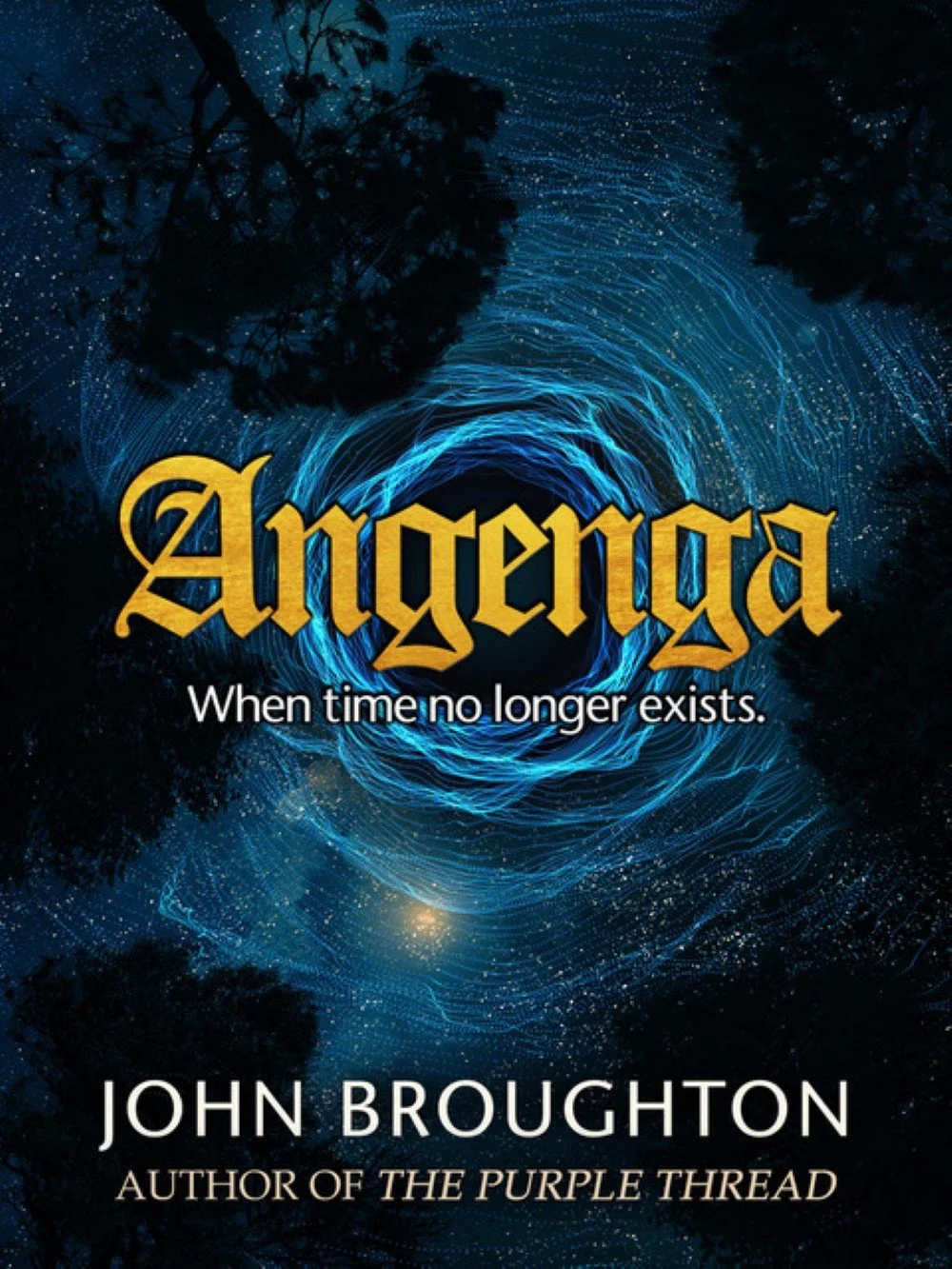
Time Travel and Quantum Mysteries: Exploring the Human Side of Viking Invasions
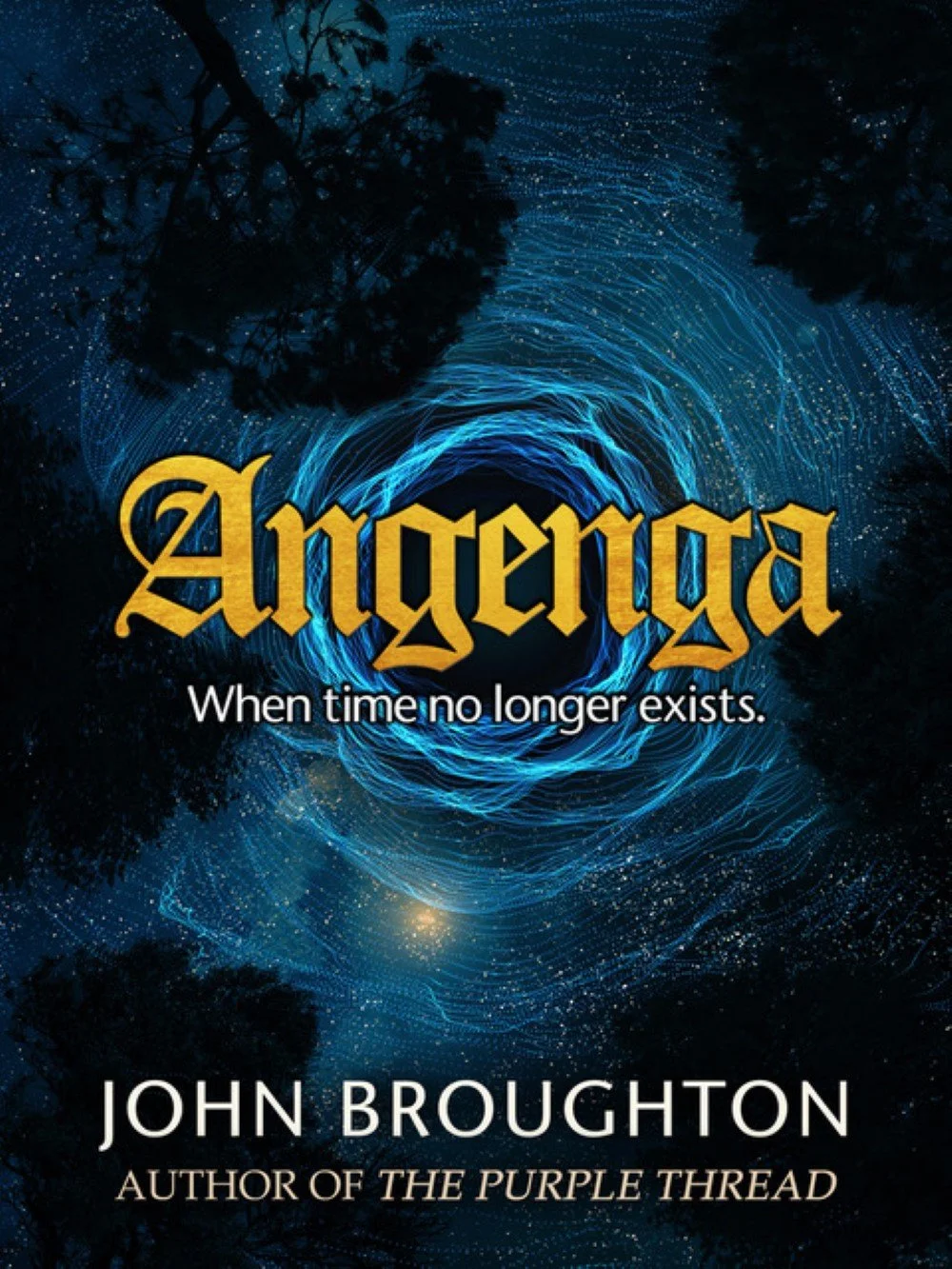
Time travel has always fascinated storytellers because it forces us to confront the fragile boundary between past and present. In this story, the discovery of an ancient pendant becomes the catalyst for an extraordinary journey into the ninth century, a time when survival was uncertain and history was still being written. What begins as an archaeological curiosity quickly spirals into an encounter with the brutal realities of Viking invasions, placing both scholarship and friendship in peril.
At the heart of the narrative lies the tension between knowledge and belief. Rick Hughes, a philology student grounded in language and history, finds himself grappling with the possibility that science cannot fully explain what he is experiencing. His search for answers in the world of quantum mechanics reveals both the power and the limits of human reasoning. Theories can suggest pathways to understanding, but they cannot always ease the disquiet of living through moments that defy explanation. This balance between rational inquiry and lived experience mirrors our own struggles to make sense of a world that often resists simple interpretation.
Equally striking is the story’s exploration of identity through the unsettling device of doppelgängers. Meeting alternate versions of himself and his closest companions forces Rick to reflect on the fluidity of selfhood across time. Who are we, if not the sum of our choices, contexts, and histories? The encounter with his mirrored self raises difficult questions about fate, responsibility, and the ethical burden of knowledge. If one can see a tragic future unfolding, does one have the right—or even the obligation—to intervene?
The Viking invasions provide more than historical backdrop; they become a crucible for testing loyalty, courage, and human resilience. The villagers Rick encounters are not abstractions but people whose daily lives are punctuated by hardship and hope. His determination to save them, even at personal risk, highlights a universal theme: the desire to preserve community against forces of destruction. In many ways, the threat of invasion serves as a metaphor for all the crises, personal or collective, that challenge our bonds to one another.
Yet beneath the danger and the unanswered scientific questions runs a quieter current—the possibility of connection. The friendships that develop across centuries, the small acts of adaptation and care, and the fragile hope for survival remind us that even in the most disorienting circumstances, what endures is our capacity for empathy. The search for meaning, whether through quantum theory or through shared human experience, is ultimately what anchors the wanderer in his journey through time.

Sed purus sem, scelerisque ac rhoncus eget, porttitor nec odio. Lorem ipsum dolor sit amet.