



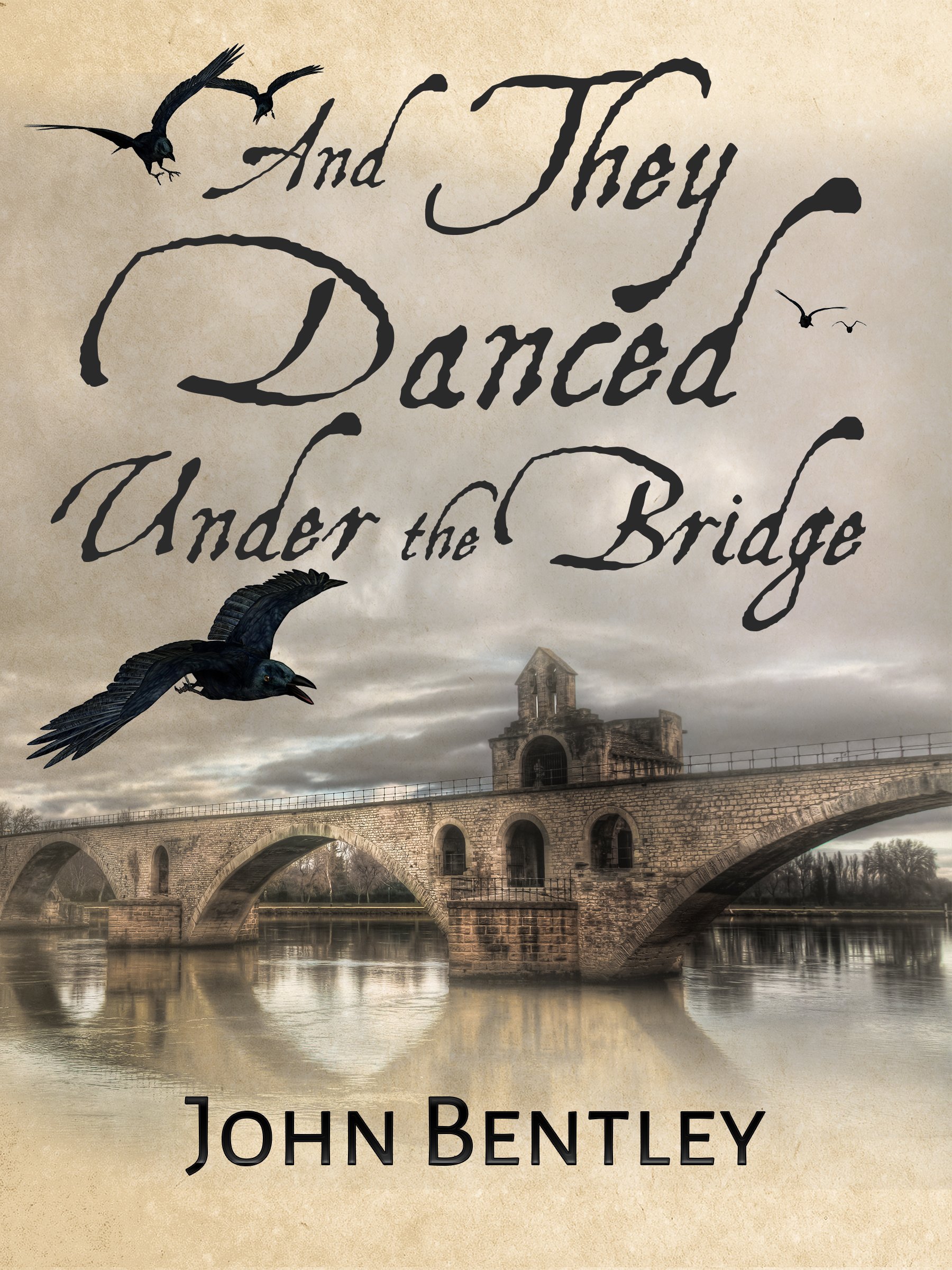
Plague and Passion in Medieval France: The Struggle Between Duty and Desire
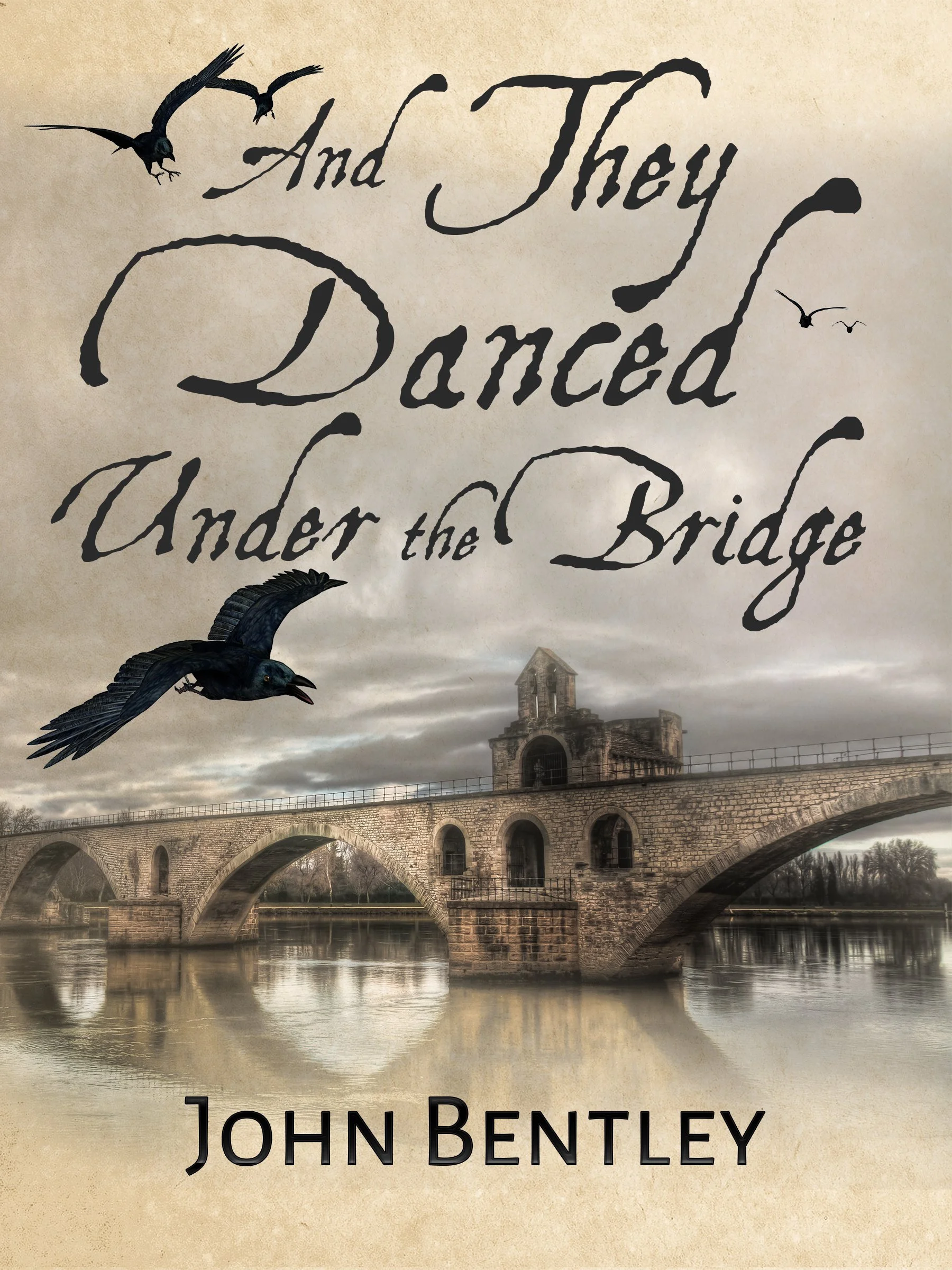
The year 1348 is remembered as one of devastation, when the plague swept across Europe and reshaped both landscapes and lives. In the walled town of Avignon, fear and fever spread faster than any remedy could contain. Behind the thick stone barriers that promised safety, the reality was far more fragile. Death pressed against the gates, and within, the townsfolk faced not only the threat of illness but also the unraveling of their faith, their loyalties, and their hearts.
To live in such a time was to live with contradiction. Duty demanded endurance—caring for the sick, preserving the community, protecting family. Yet passion, the most human of impulses, could not be silenced. In the shadow of disease, relationships intensified, sometimes destructively. Young Marius, who rises to lead in the fight against infection, finds himself torn between his devotion to his wife and the dangerous allure of Alice. His conflict is not simply personal; it mirrors the broader struggle of a society where mortality sharpened every longing and blurred the line between fidelity and temptation.
At the heart of Avignon’s turmoil lies another figure, one cloaked in robes of power but equally vulnerable to desire. Pope Clément, outwardly the city’s spiritual anchor, is haunted by vengeance and consumed by longing. His obsession with Alice—like Marius’s own—reveals how the plague did not merely ravage bodies, but unmoored souls. Even the highest office could not guard against the fever of lust or the weight of unresolved past wrongs. In the palace as in the town square, passion became inseparable from survival.
The pestilence, brutal as it was, forced into light what was hidden. Fear revealed cowardice in some, bravery in others. The suffering stripped away pretense, leaving only raw humanity. In this setting, love became both a refuge and a risk—an act of defiance against despair, but also a temptation that could destroy. The bridge beneath which Marius and Alice danced was more than a meeting place; it was a symbol of fragile connection, suspended over the chasm of mortality.
What endures from this moment in history is not merely the devastation of plague, but the resilience of spirit. The struggle between duty and desire, between sacrifice and self, remains as relevant now as it was in Avignon’s locked gates. In the darkest hours, when certainty crumbled, it was not perfection but persistence—whether in love, in leadership, or in faith—that allowed humanity to endure. The dance beneath the bridge, like the plague itself, reminds us that even in the face of inevitable loss, people sought meaning, connection, and hope.





Sed purus sem, scelerisque ac rhoncus eget, porttitor nec odio. Lorem ipsum dolor sit amet.