



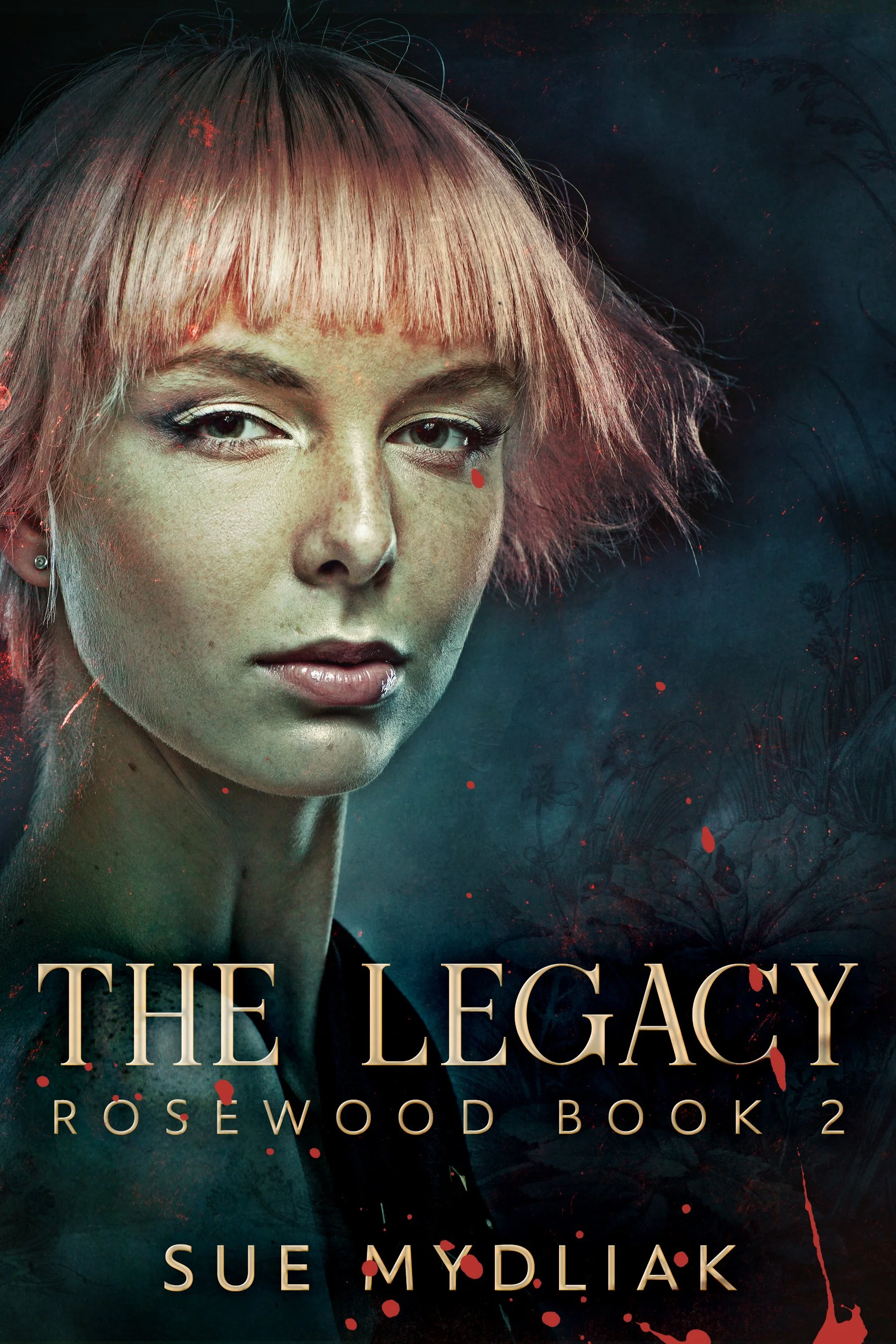
Trust and Betrayal: The Fragile Bonds of Family Legacy
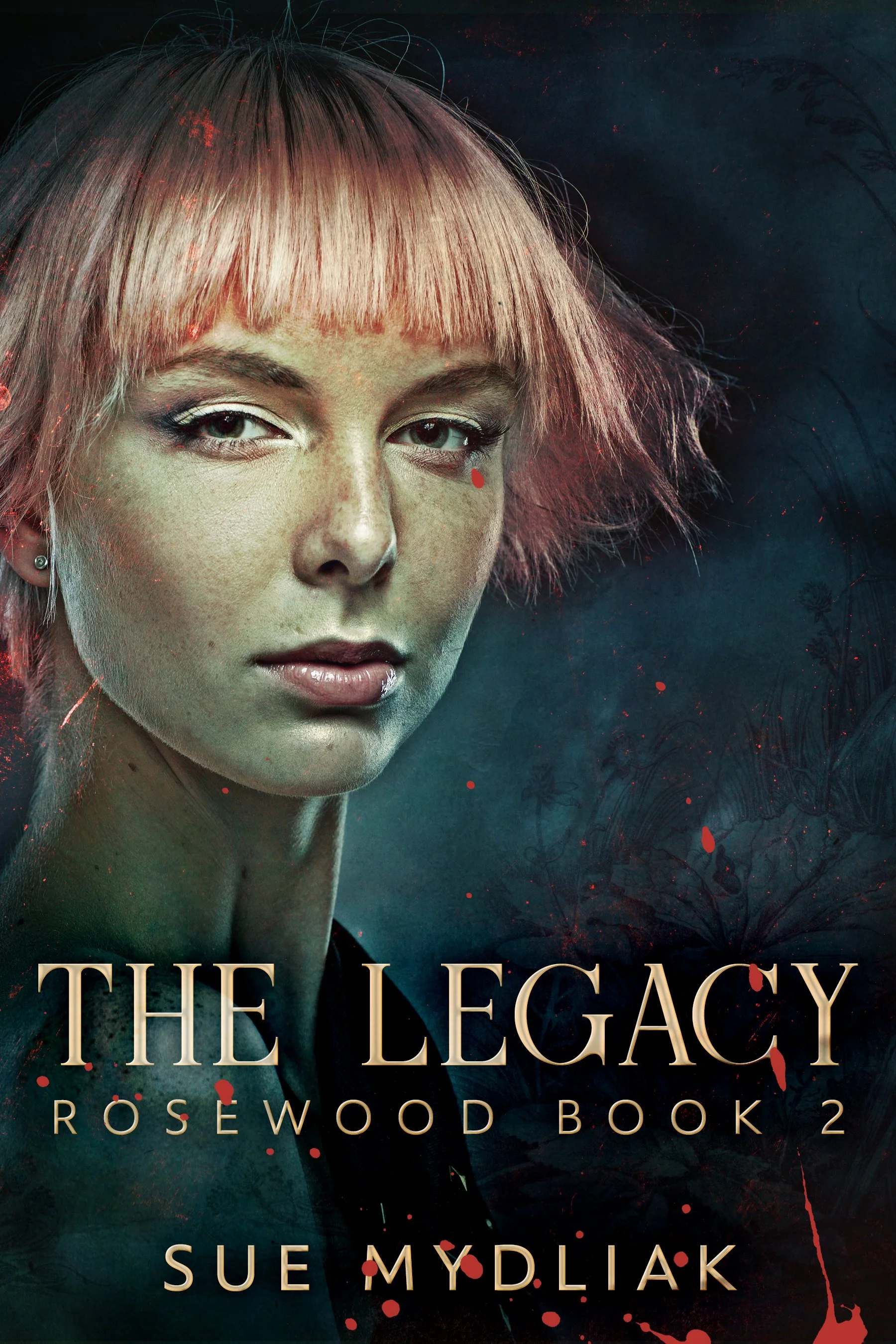
Trust is one of those quiet, powerful forces that shape a life—until it is shattered. In The Legacy, the world Candra once knew disintegrates when truth cuts deeper than any betrayal. Her father, once the center of safety and belonging, becomes the symbol of everything she must question. What happens when the person who defines your sense of home also becomes the reason you must run from it? The book explores that raw fracture—the space where love, loyalty, and fear collide—and the slow rebuilding of self that follows.
At its core, The Legacy confronts the haunting question of what it means to belong when family becomes synonymous with danger. Candra’s lineage is both her power and her curse, and every revelation about her bloodline pulls her further into a labyrinth of secrets. This is not just a tale of supernatural inheritance; it is a meditation on identity. Each discovery brings her closer to understanding that trust, once broken, cannot simply be mended—it must be remade into something new, something forged by choice rather than by birthright.
Through the dangerous encounter with Lazar, the immortal whose motives flicker between menace and mystery, Candra’s journey becomes one of awakening. Theirs is a meeting of two fractured souls—one human, one daemon—both driven by wounds of betrayal. Lazar’s presence complicates the idea of enemy and ally, forcing Candra to reckon with the gray space between good and evil, truth and deception. It is here, amid shifting allegiances, that the story’s emotional depth takes hold. What if the person you most fear is also the one who understands your pain best?
Family legacy, in this story, is not an inheritance of love or comfort but a chain of lies passed down through generations. To break free of it is to risk everything, yet to remain within it is to lose oneself entirely. Candra’s defiance is both a rebellion and a reckoning—a refusal to be defined by others’ sins. The novel asks, in its quietest moments, how one learns to trust again after discovering that love itself can be an illusion.
Ultimately, The Legacy offers no easy resolution—because trust, once destroyed, does not return as it was. It transforms, becoming something more cautious, more deliberate. It is the act of believing in spite of knowing how fragile belief can be. And within that transformation lies a new kind of power—the courage to define one’s own truth, to build loyalty not from blood, but from choice.

Sed purus sem, scelerisque ac rhoncus eget, porttitor nec odio. Lorem ipsum dolor sit amet.