



Twin Betrayal: Mental Unraveling
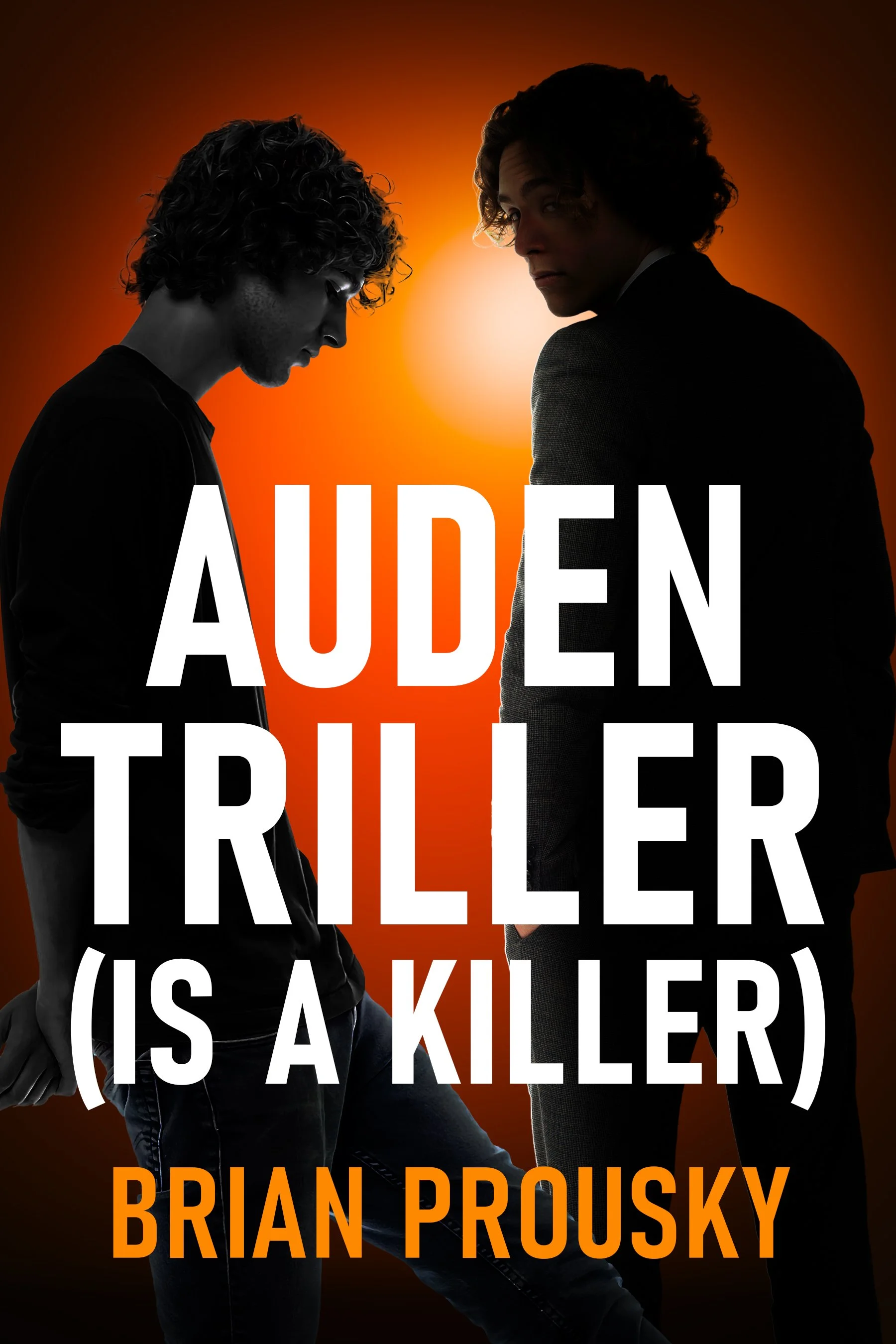
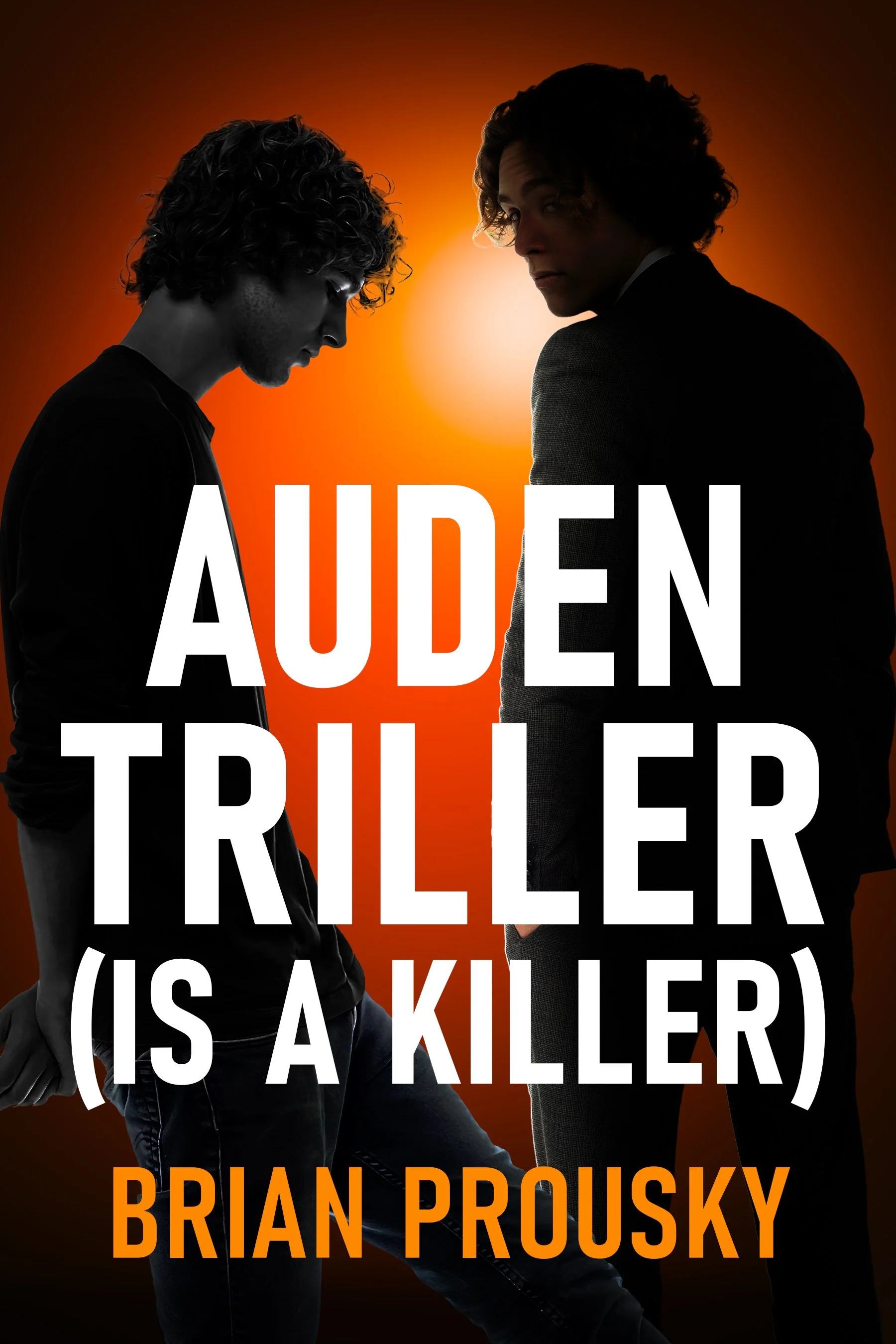
From the very first pages, Brian Prousky invites us into a world where sibling devotion might hide something darker, and twin betrayal becomes a slow‑burn wound. Auden Triller’s internal monologue carries us through his fractured identity, his resentment toward a brother who thrives, and the mounting pressure that leads toward mental unraveling. This novel is less about what happens next than about what’s been accumulating for years, a tension held in silence until it finally rends their bond.
Auden views his life as a study in insufficiency, a comparison to Simon that leaves him wounded and wary. Because Simon excels in school and sport, because adults trust him and friends surround him, Auden’s own achievements feel invisible—even to himself. His desire to live quietly, on terms he can manage, is thwarted by how little space he’s been allowed. The world has already assigned him the role of lesser twin, and he internalizes it until he feels it in every gesture, every rejection. Beneath the humor and self‑mockery lies a grief for a self that never had room to be born.
As Auden drifts further from a stable center, the novel moves fluidly between time periods, drawing connections between small betrayals and major fractures. The twin betrayal doesn’t arrive in one dramatic act but through erosion: a brother who doesn’t understand, a past that isn’t talked about, a mind that reels from isolation. Auden’s voice remains sharp and sardonic, as though parodying his own suffering rather than letting it fully own him. Yet the cracks show through: in his disorientation, in the moments when he can’t trust his thoughts, in how he reaches for help only when it might be too late.
What feels most tragic is that when the breaking point arrives, it threatens the one person who might still save him: Simon. Auden’s unreliable grip on reality precipitates a tragedy not simply of violence or loss, but of alienation. The bond between twins, already strained, fractures beyond repair just as Auden realizes he needs it most. And yet the story never becomes a blunt tragedy: it is quiet, sharp, insistent. It forces us to ask whether betrayal is always deliberate, whether belonging can be earned, and whether the mind can betray us before we fully understand it.
In Auden Triller (Is A Killer), the themes of twin betrayal and mental unraveling intertwine to reveal that the deepest ruptures may come not from external enemies but from those we thought closest, and the mind we inhabit may betray us long before the body acts.





Sed purus sem, scelerisque ac rhoncus eget, porttitor nec odio. Lorem ipsum dolor sit amet.