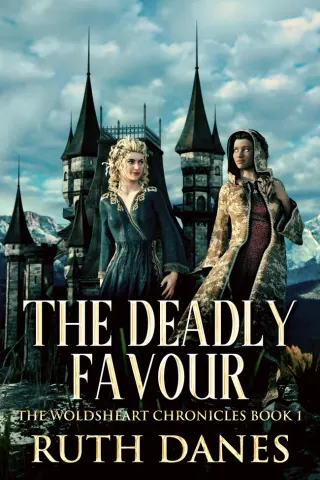
Love can complicate an already dangerous magical world. These four romantic fantasy books bring relationships into conflicts over family, identity, and competing loyalties. Choose a premise that draws you in, then explore its book page for more.
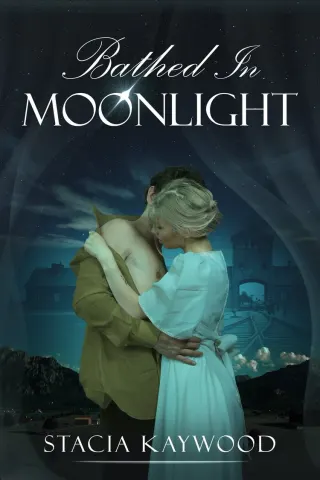
Historical romance brings the expectations of a particular time into a relationship's private decisions. These selections move from royal ambitions and Venetian craft restrictions to wartime aid and courtship in Western or Highland communities. Danger and family pressure take different forms in each. Use the setting and the couple's immediate obstacle to find the kind of historical love story you want.
A psychological thriller gains its force from what people conceal, misunderstand, or cannot stop themselves from doing. These selections approach that tension through respectable appearances, destructive grief, family secrets, and uncertain memories. The short notes distinguish the central source of suspense in each. Some neighboring crime stories widen the selection, but the focus remains on human motives and compromised judgment.
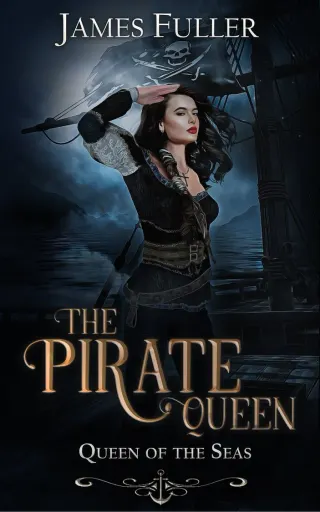
Pirate reading can mean a fantastical ocean under ancient gods, a rescue involving magic swords, or a look at real maritime traditions. These four books include fiction for different ages alongside Scottish nautical nonfiction. The notes make those differences clear, so you can choose an imagined voyage, a playful time adventure, or stories grounded in seafaring history.
Missing memories can turn a familiar life into a problem of evidence. These books use forgotten intervals, returning recollections, and uncertain identities to make characters question what they know about themselves and others. Some follow investigators working alongside the person with memory loss. The selection describes fictional premises without treating those devices as a guide to how real memory conditions behave.