


Sometimes a Superpower
Sometimes a Superpower
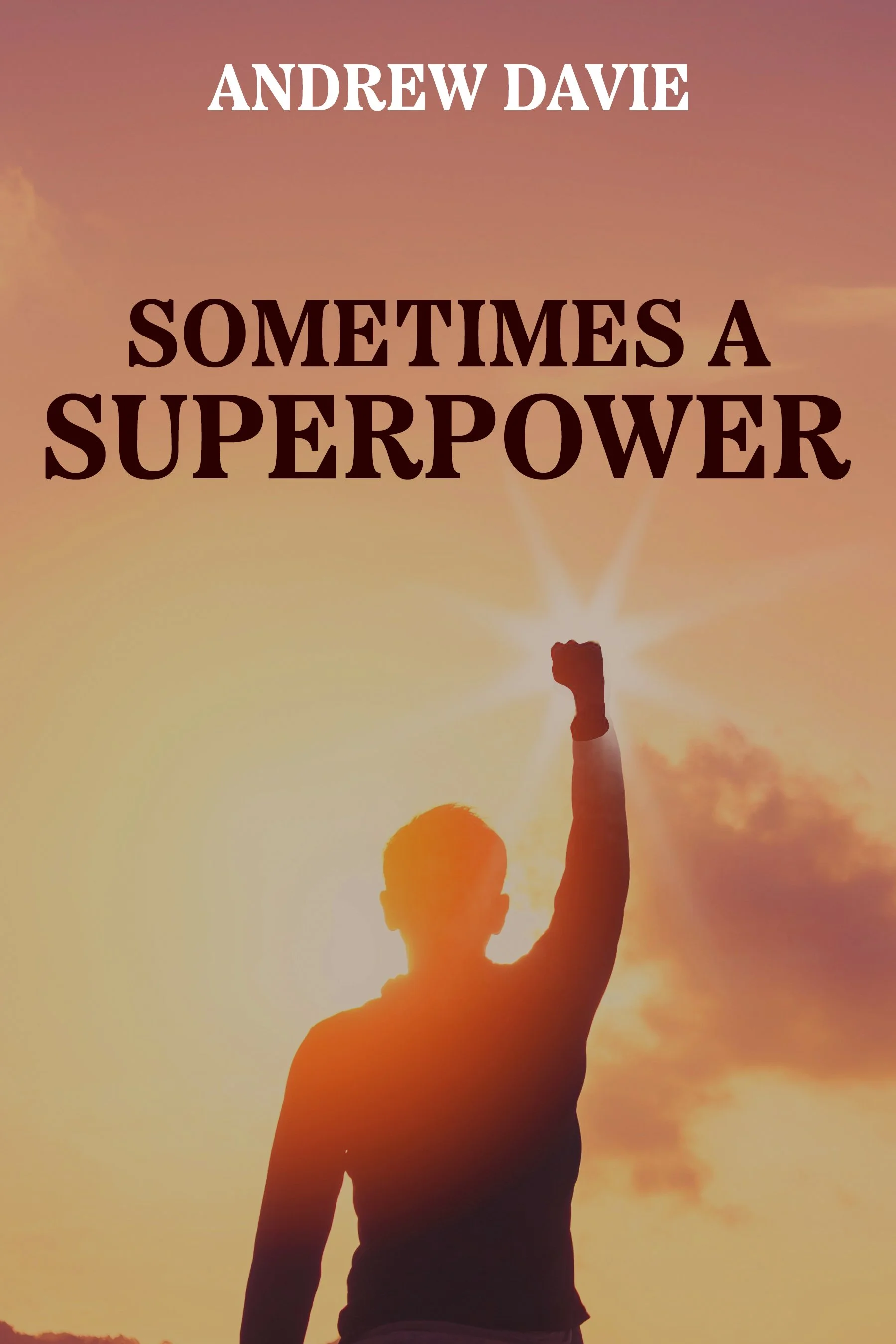
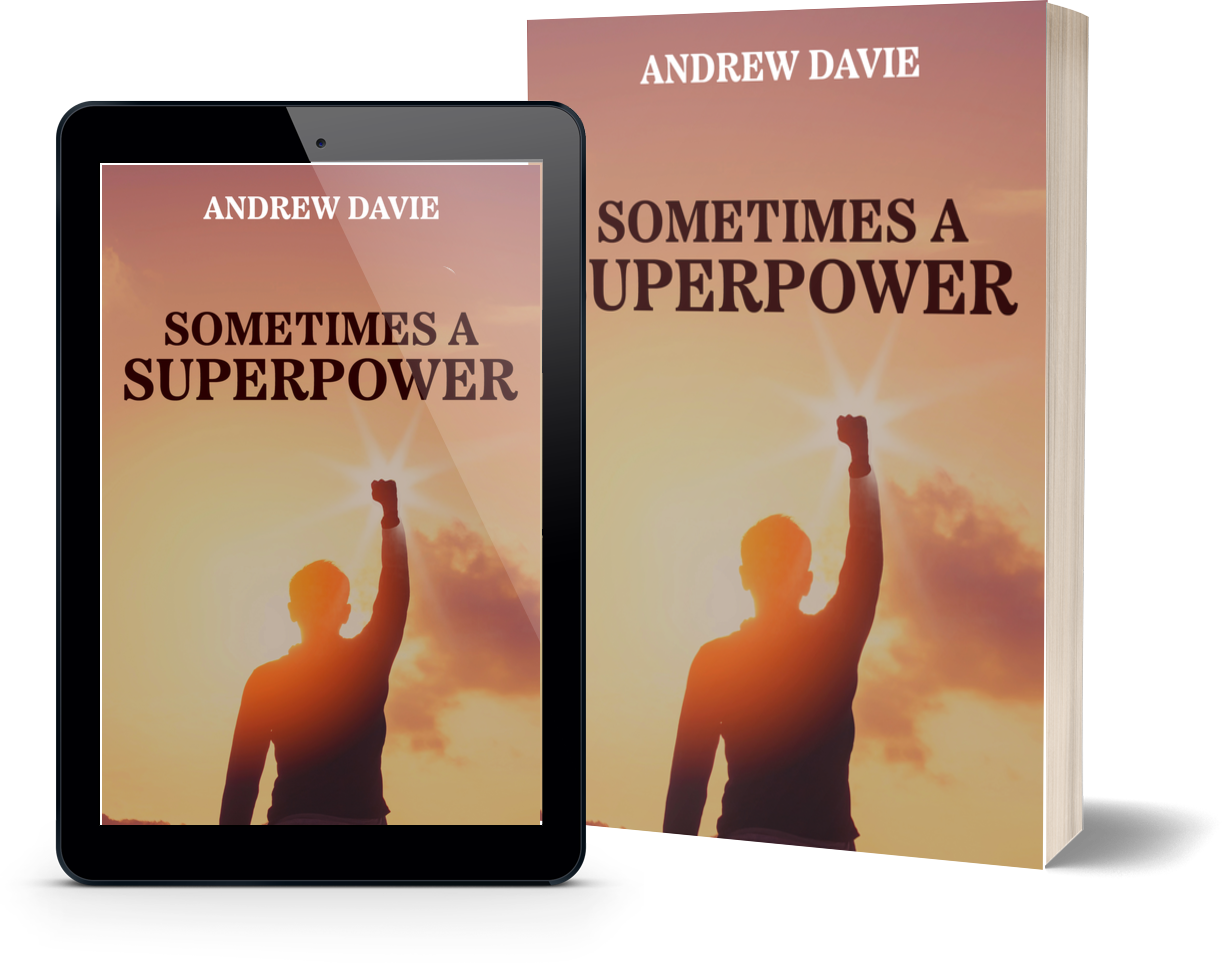
In Sometimes a Superpower, Andrew Davie offers a deeply personal reflection on a life upended by crisis, resilience, and transformation. After surviving a ruptured brain aneurysm in 2018, Davie set out to become a clinical mental health counselor—only to be met with another life-altering challenge: his mother's ALS diagnosis. What followed was a year and a half of caregiving, graduate study, and inner reckoning.
This collection blends personal narrative with philosophical musings and pop culture references, capturing the strange, often surreal experience of surviving, adapting, and finding unexpected meaning in difficult times.
Start reading Sometimes a Superpower and explore what it means to keep going when life keeps changing.
Excerpt from the book
Before my aneurysm, I had taught high school English/writing at an independent school for students with ADHD and learning differences. My first book, a crime fiction novella titled Pavement, had just been accepted for publication. I also turned 40 the week before. The school year had just ended, and I was going to visit my parents. My aneurysm happened at the airport. Fortunately, I hadn’t boarded the plane.
Although there are some universal experiences, everyone’s recovery is unique. Fortunately, now I only have minor physical limitations (my balance isn’t great, and if I move my head laterally, I need to wait for my vision to settle. It’s similar to the sensation of stepping off a moving merry-go-round. Thankful-ly, I don’t get nauseated). The challenge had been the emotional recovery, particularly how I was going to adjust to many existential questions.
I had spent nearly 20 years making writing my primary focus. I had enjoyed elements of teaching, but it had been a means to an end. I expected the publishing of my book to be a life-changing experience, which it wasn’t, and now it was uncertain if I would be able to capitalize on that anyway. Similarly, I had also imagined I would get married and start a family. One of the effects of the aneurysm is that my ability to make emotional connections has been blunted, so after much of the physical recovery had tapered off, I was suddenly faced with a less certain future.
However, I returned to teaching and the dating world. Those had been my previous goals, but now nei-ther seemed worthwhile. My book arrived, and the event had not been the life-changing experience I had expected. The students I had been working with required someone at 100% capacity, so I always felt out of sync. When I would attend support groups and listen to other survivors mention how they wouldn’t have been able to cope without their spouses and children, it left a lasting impression. I re-turned to the online dating world, but most of the dates played out like an episode of the television show Seinfeld. Should I address the aneurysm on the first date? “Would you like to split an order of na-chos? By the way…” Those and other similar questions were at the forefront of my mind. Not to men-tion, the difficulty with emotional connections only added complications.
As I continued to adjust, I got a job at a tutoring center, which was supposed to begin in April 2020. When COVID-19 became a pandemic in March, my job was canceled. As a result, I moved back in with my parents, which turned out to be a silver lining since I could focus exclusively on continuing to re-cover.
The following things helped:


Sed purus sem, scelerisque ac rhoncus eget, porttitor nec odio. Lorem ipsum dolor sit amet.