



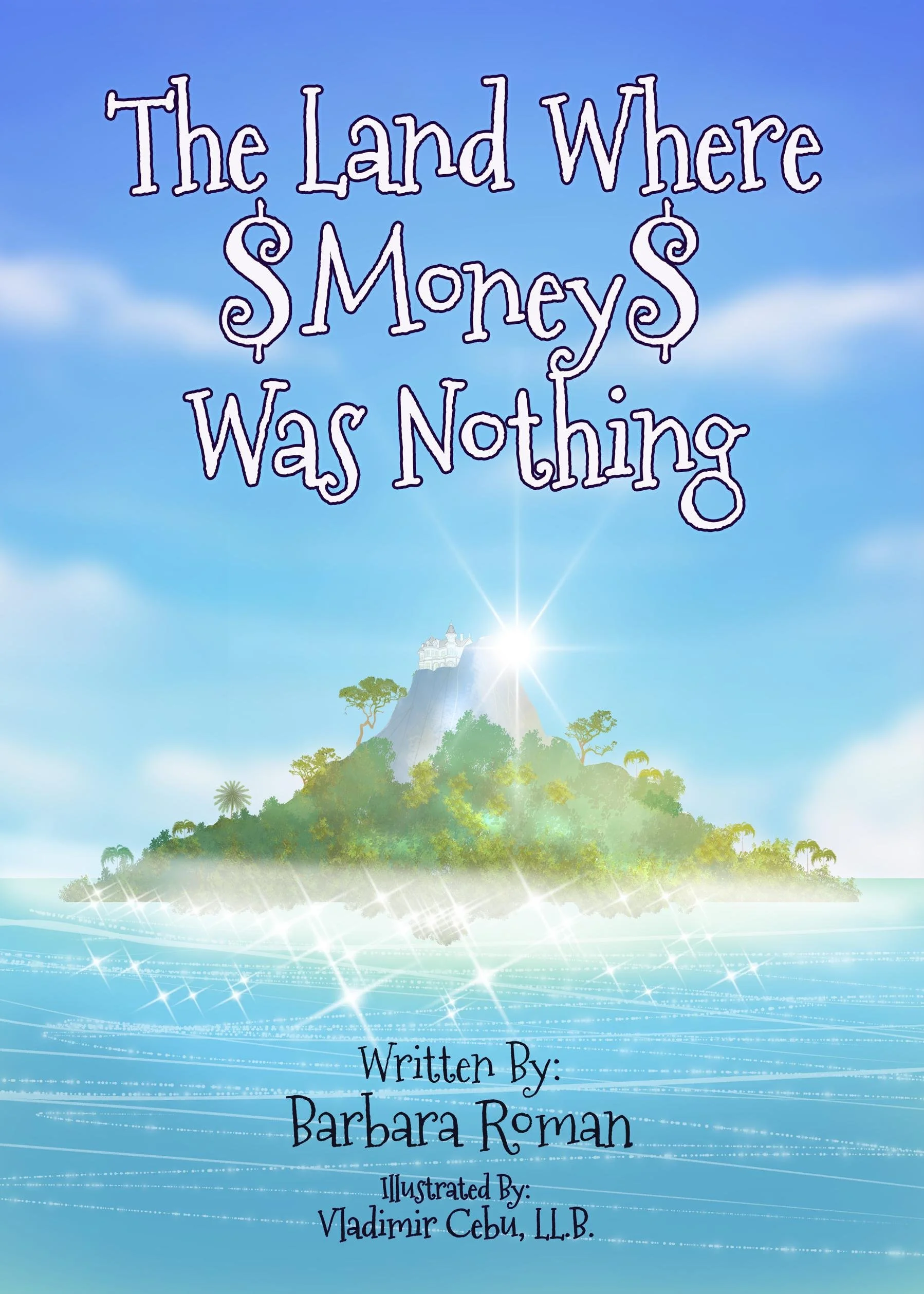
The Land Where Money Was Nothing
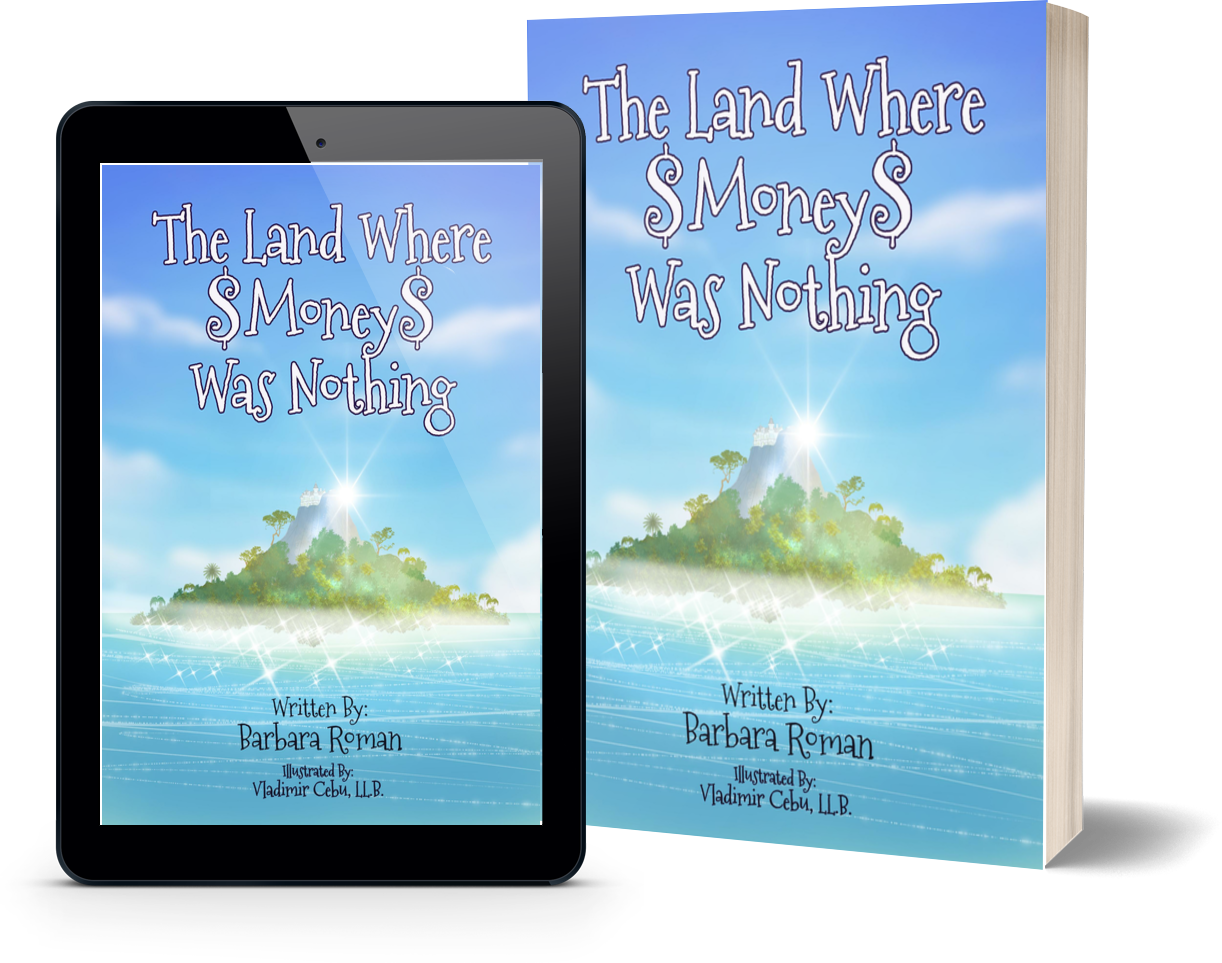
A Fable About What Truly Matters
When Elias unexpectedly inherits a vast fortune, he sets out for a distant land, certain that his wealth will earn him admiration and respect. Instead, he encounters a world where money holds no value—and where kindness, generosity, and human connection matter far more. As Elias navigates this unfamiliar place, his assumptions are challenged and his understanding of worth is transformed.
Barbara Roman’s The Land Where Money Was Nothing is a gentle, whimsical story that explores timeless themes of values and priorities. Written for children yet resonant for readers of any age, it offers a thoughtful perspective on what it means to live a meaningful life, culminating in an ending that is both surprising and uplifting.
Discover a story that invites reflection and inspires a new way of seeing the world—one where what you give matters more than what you have.
Excerpt from the book
Elias was rich at last. He packed his million-dollar inheritance in his suitcase and left behind everything and everyone he ever knew.
“I’ll go someplace where people will respect me for a change, because I am the one with the money, and not my father.”
Elias sailed day and night until he found a faraway island with a lovely white house sitting high on a hilltop. He approached the groundskeeper and asked, “Who owns this house?”
The groundskeeper stopped pruning the rose bushes. “No one,” he answered.
“No one?” Elias was pleased. “Is it for sale?”
“Oh, you cannot buy this house,” the groundskeeper replied.
“If you mean it’s too expensive, I can buy it,” Elias boasted. “I can buy anything I want.”
“Not here, you can’t,” the groundskeeper said, not unpleasantly, but as a matter of conversation.
Elias was not put off. “We’ll see about that. Does anyone live in the house?”
“I do,” the groundskeeper said, resuming to prune the rose bushes.
Elias became irritated. “What kind of game are you playing? If you own the house, why don’t you just say so.”
“I didn’t say I own the house. I just live in it.”
“Oh, I get it,” Elias said. “You just take care of the grounds to live in it. Well, you must do it for someone. A real estate broker, perhaps. I’ll go into town and talk to the broker. I’m sure he’ll clear up the matter.”
“I’m sure she will.” The groundskeeper smiled at Elias, as though keeping a little joke to himself.
Elias went to the local hotel and requested the finest room available. The desk clerk handed Elias a room key and said amiably, “I do hope you enjoy your stay.”
“How much is the room? I’ll pay you in advance if you like,” Elias offered.
“No need,” the desk clerk told him. “Payment will be arranged when you are ready to leave.”
“That’s very kind of you,” Elias said. “By the way, do you have a vault in your hotel? I have a large sum of money in my suitcase and would like to keep it safely locked up.”
“Money? You mean paper?”
“Yes, in large bills,” Elias answered.
“We have no vault for such paper, but it will be safe in your room. No one in our town will want to take it.”
Elias looked at the desk clerk with a wary eye. “We shall see how honorable this town is. If anyone does take my money, I’ll know it was you who told them it was there.”
The desk clerk was not insulted by Elias’ remark. He had seen many of “them” come to the island. They soon learned the truth and either fled back to their old world, or they accepted the island’s ways and stayed.
Feeling hungry, Elias found his way to the hotel dining room. He ordered and enjoyed a perfectly elegant meal, prepared to his liking. After his dinner, Elias handed the waitress a one-hundred-dollar bill. She looked at it thoughtfully, then handed it back to Elias.




Sed purus sem, scelerisque ac rhoncus eget, porttitor nec odio. Lorem ipsum dolor sit amet.