



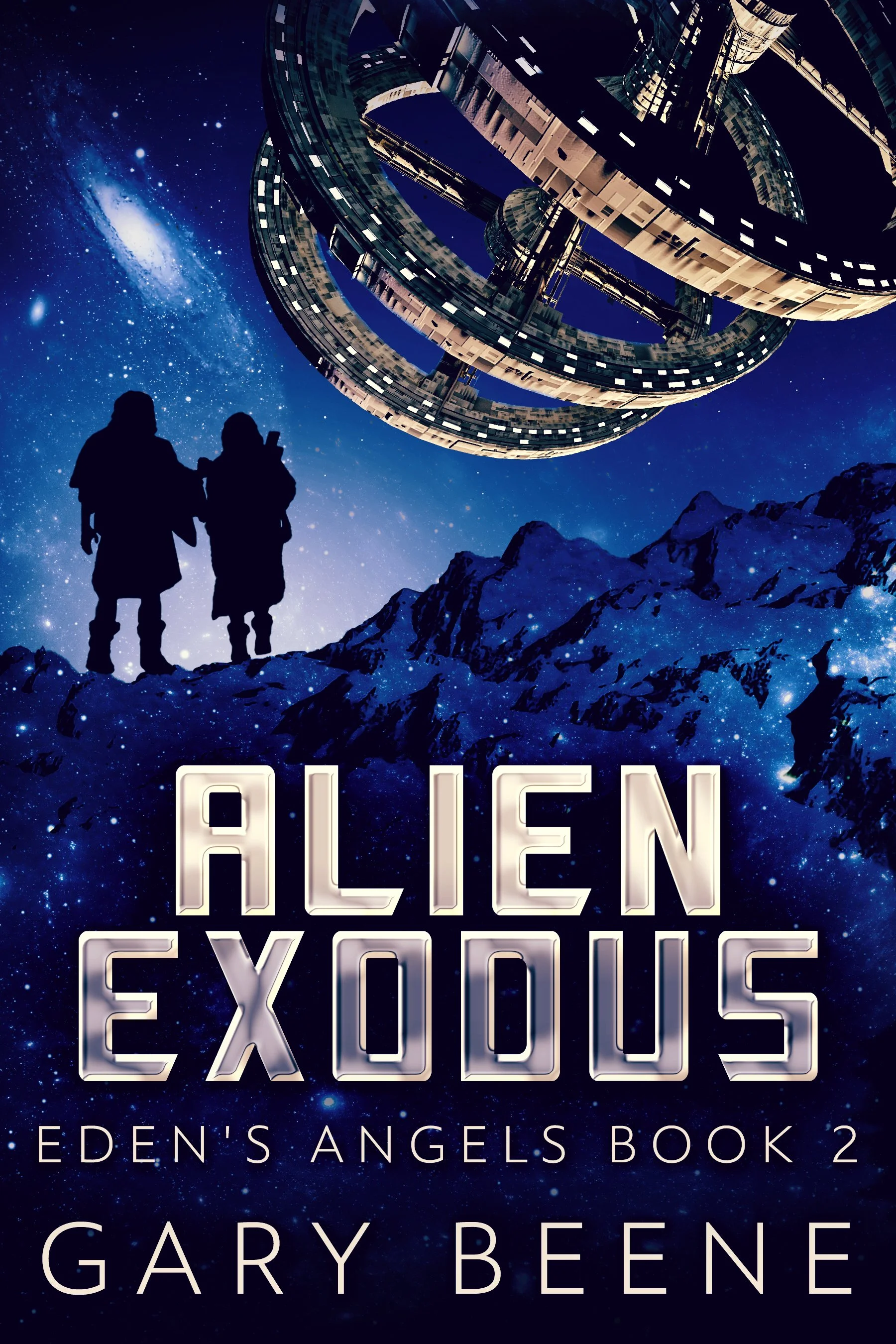
Ancient Alien Origins: Unraveling the Mystery of Human DNA
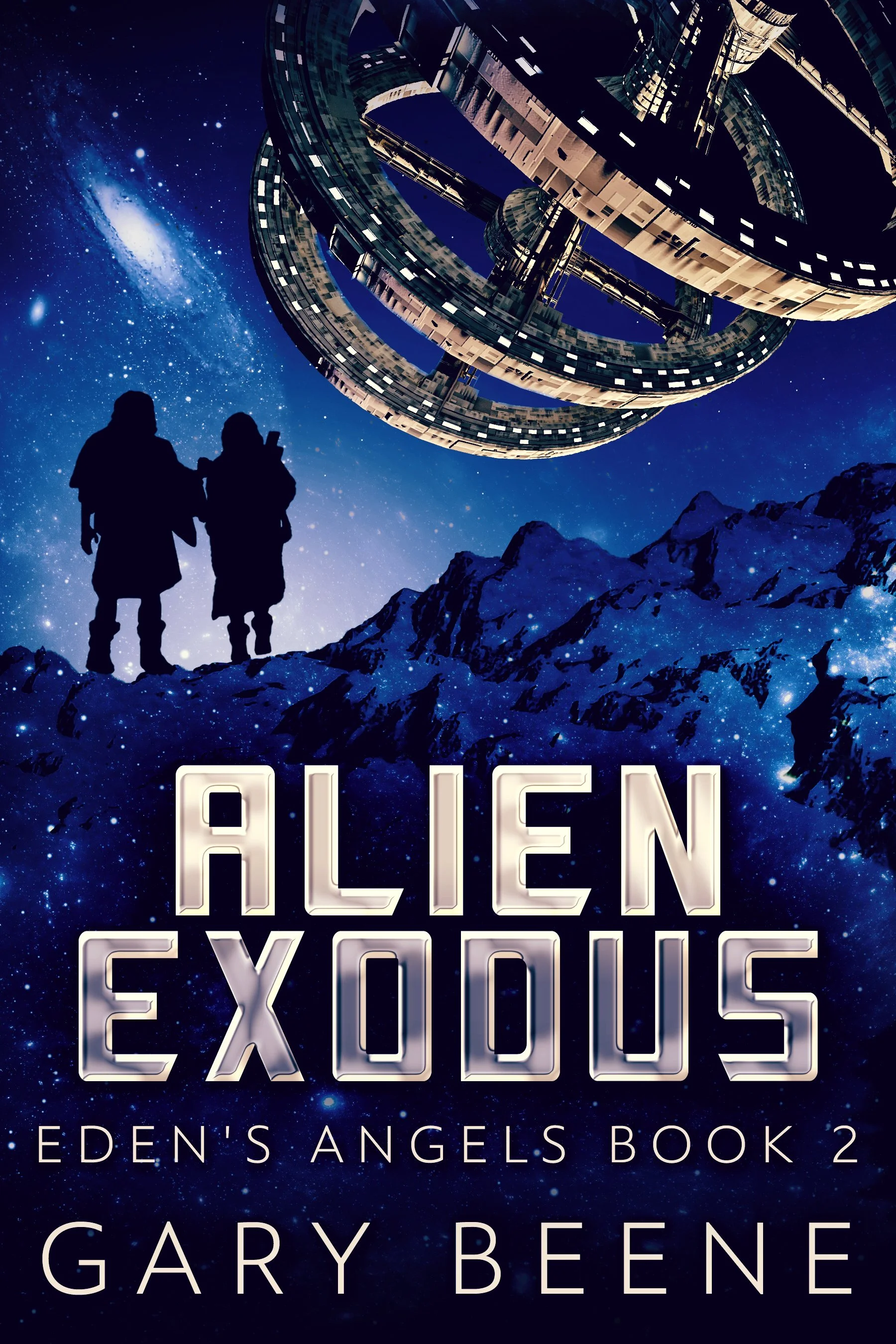
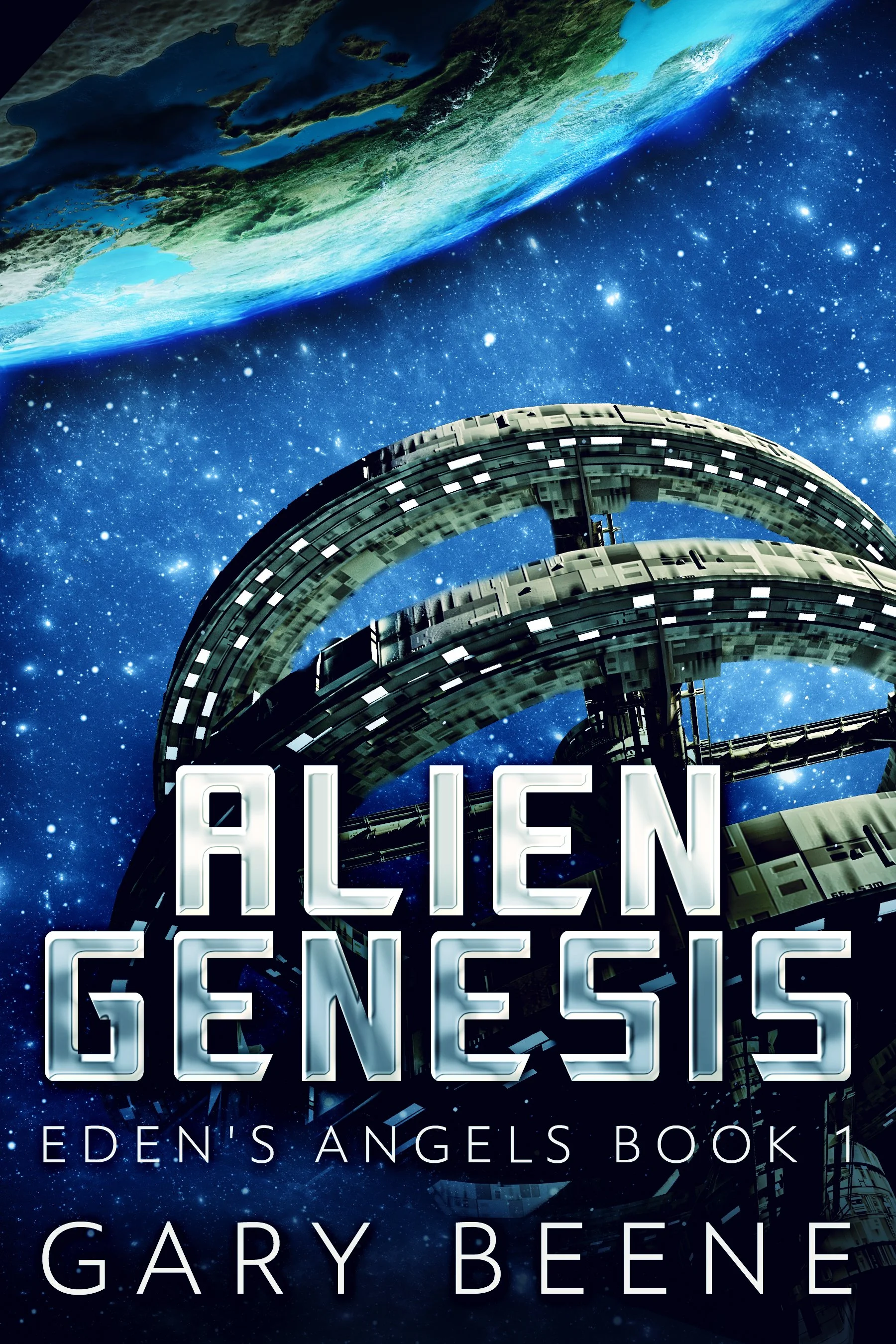
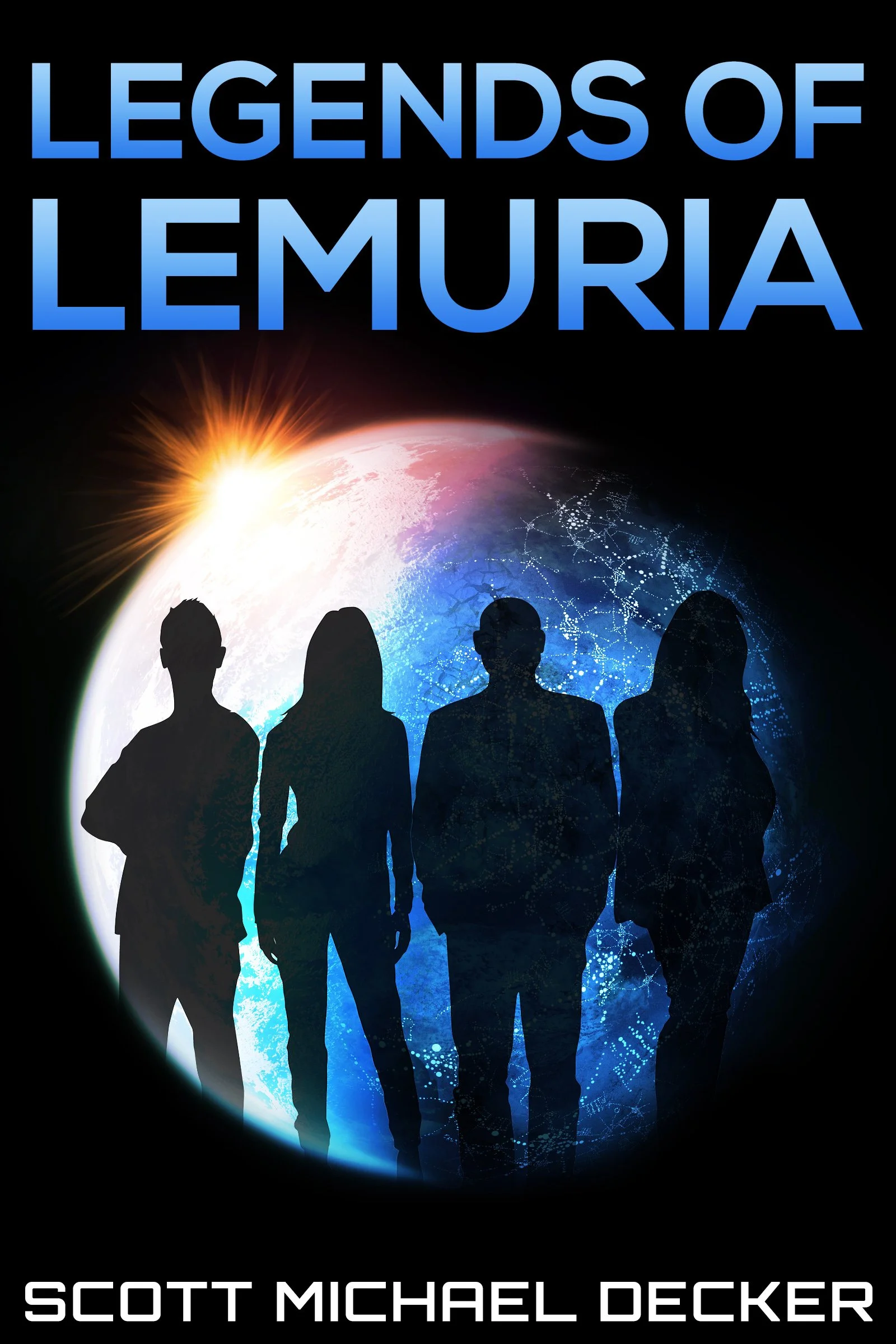
To contemplate the possibility that humanity’s story begins not with chance evolution but with deliberate intervention by ancient alien origins is to step into a space where myth, science, and memory intertwine. The idea of extraterrestrials reshaping Homo sapiens’ DNA speaks not only to our search for answers about who we are, but also to the deep unease we feel about how easily noble intentions can be corrupted. If the blueprint of humanity was designed, then the flaws we carry—the violence, ambition, and greed—may be echoes of choices made long before we were conscious of them.
In this telling, the birth of human civilization is neither accidental nor wholly our own. It is a legacy seeded by beings who sought to fill the cosmos with sentience, yet who fell prey to the same forces of corruption that shadow every great endeavor. What might have been a story of unity became one of exploitation, as the galactic slave trade and interstellar wars suggest that power, even on the grandest scale, carries devastating consequences. For us, reflecting on this mythology of creation mirrors the dilemmas we still face: how to wield knowledge without domination, how to pursue progress without losing compassion.
The Nefilim Project—born from a single miscalculation—offers another layer to this meditation on human identity. A race of giant humans, created unintentionally, embodies the danger of tampering with forces beyond full comprehension. The scientists who sought to undo their error faced a dilemma not unfamiliar to our own world: whether to accept the imperfect results of creation or to risk greater harm in trying to erase them. Their story becomes less about monsters and more about responsibility, the weight of bearing consequences when mistakes cannot simply be undone.
At the heart of these cosmic struggles lies memory itself, carried by Admiral James Cortell. His ancient recollections serve as a bridge between the mythic and the tangible, between humanity as we know it and the vast multiverse from which we may have emerged. Memory here is more than personal—it is collective, a record of who we might once have been and who we may yet become. To honor those memories is to recognize that our search for identity has always been as much about the past as it is about the future.
The suggestion that the “war in heaven” was no metaphor but a real conflict among alien factions compels us to revisit the stories we have long dismissed as myth. Perhaps these tales, echoed in scripture and legend, carry kernels of truth refracted across time. They speak to our enduring need to make sense of suffering and loss, to imagine origins that explain both the wonder and the violence woven into our existence. In unraveling the mystery of human DNA, we may discover that the question has never been about where we come from, but about how we carry forward the legacy of creation—whether born of stars, gods, or the choices of flawed but striving beings.
Sed purus sem, scelerisque ac rhoncus eget, porttitor nec odio. Lorem ipsum dolor sit amet.