



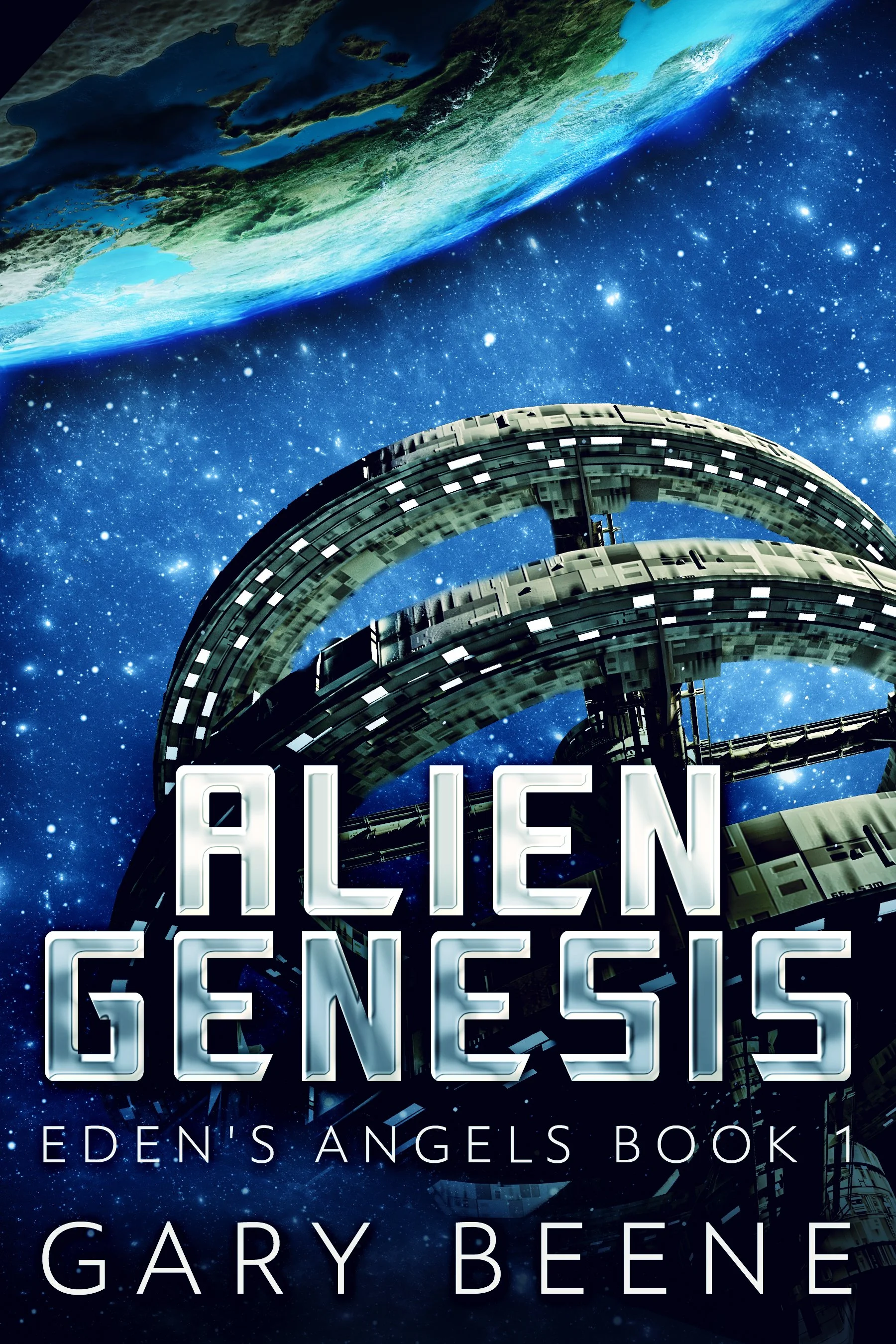
Ancient Aliens and Human Origins: The Search for Cosmic Memory

To imagine that human history might be entangled with forces far older and greater than ourselves is to stand at the edge of a vast and unsettling abyss. The idea that our species was shaped by alien hands—genetically altered, engineered, and manipulated for purposes beyond our comprehension—raises haunting questions about identity, autonomy, and destiny. Beneath the surface of familiar myths and creation stories, one might hear the faint echo of a different narrative: that of beings from the stars who carried not just technology but intent, reshaping the fabric of what it means to be human.
The concept of human origins tied to ancient aliens forces us to confront our deepest assumptions. Are we the result of natural evolution, or are we children of design, born from the clash of science and ambition? If so, whose vision did we embody—the benevolence of explorers who sought to seed life across galaxies, or the cold pragmatism of industrial powers that saw in us nothing more than a labor force? Between these possibilities lies a tension that mirrors our own struggles with power, morality, and survival.
Stories that weave cosmic memory into the human experience also highlight a profound vulnerability. To carry within oneself the imprints of another being’s life—memories older than civilizations, perspectives shaped on worlds long out of reach—would be both a gift and a burden. Such knowledge might feel like a thread connecting us to the vastness of the universe, while at the same time isolating us from those who cannot perceive what we know. It is not unlike the human condition itself: yearning for connection, while haunted by the mysteries we alone must bear.
At its heart, the exploration of alien genesis is also an exploration of legacy. What do we inherit, knowingly or unknowingly, from those who came before? Whether from ancestors of flesh and blood or visitors from distant constellations, we are shaped by choices not our own. Yet within that shaping, within the scars and the stories handed down through generations, lies the possibility of transformation. Perhaps what matters most is not whether our origins were terrestrial or extraterrestrial, but how we respond to the knowledge of our past—and how we choose to carry it forward into futures yet unwritten.
The search for cosmic memory is, in many ways, the search for ourselves. It is the recognition that our myths may hold fragments of truth, that our struggles for freedom and identity echo patterns older than our species, and that to be human may always mean standing in the space between what was given and what we make of it. In this tension lies not despair, but a strange kind of hope: that even within a story of manipulation and loss, humanity can still shape its own meaning.


Sed purus sem, scelerisque ac rhoncus eget, porttitor nec odio. Lorem ipsum dolor sit amet.