



Building a Utopia: The Fragility of Peaceful Coexistence
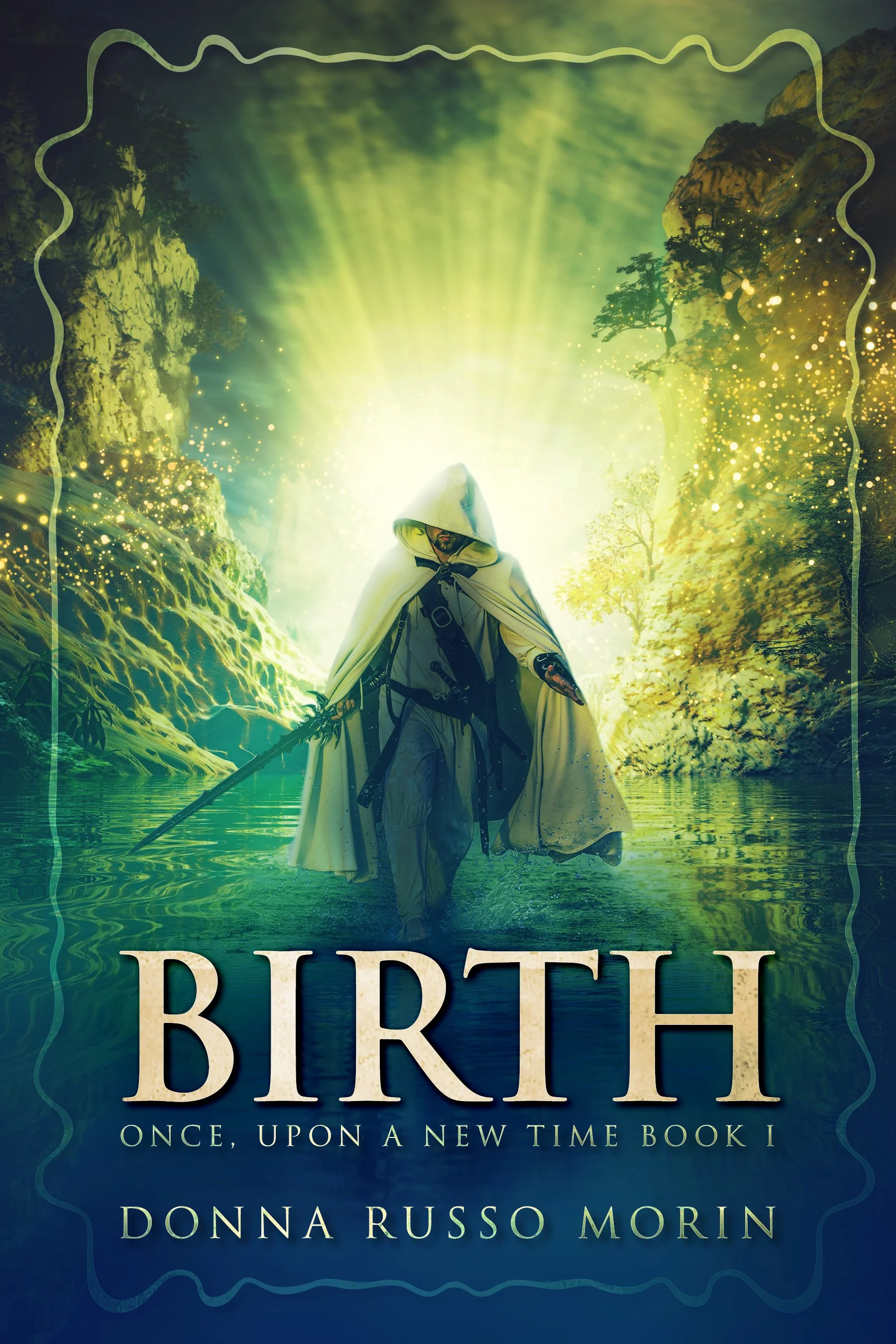
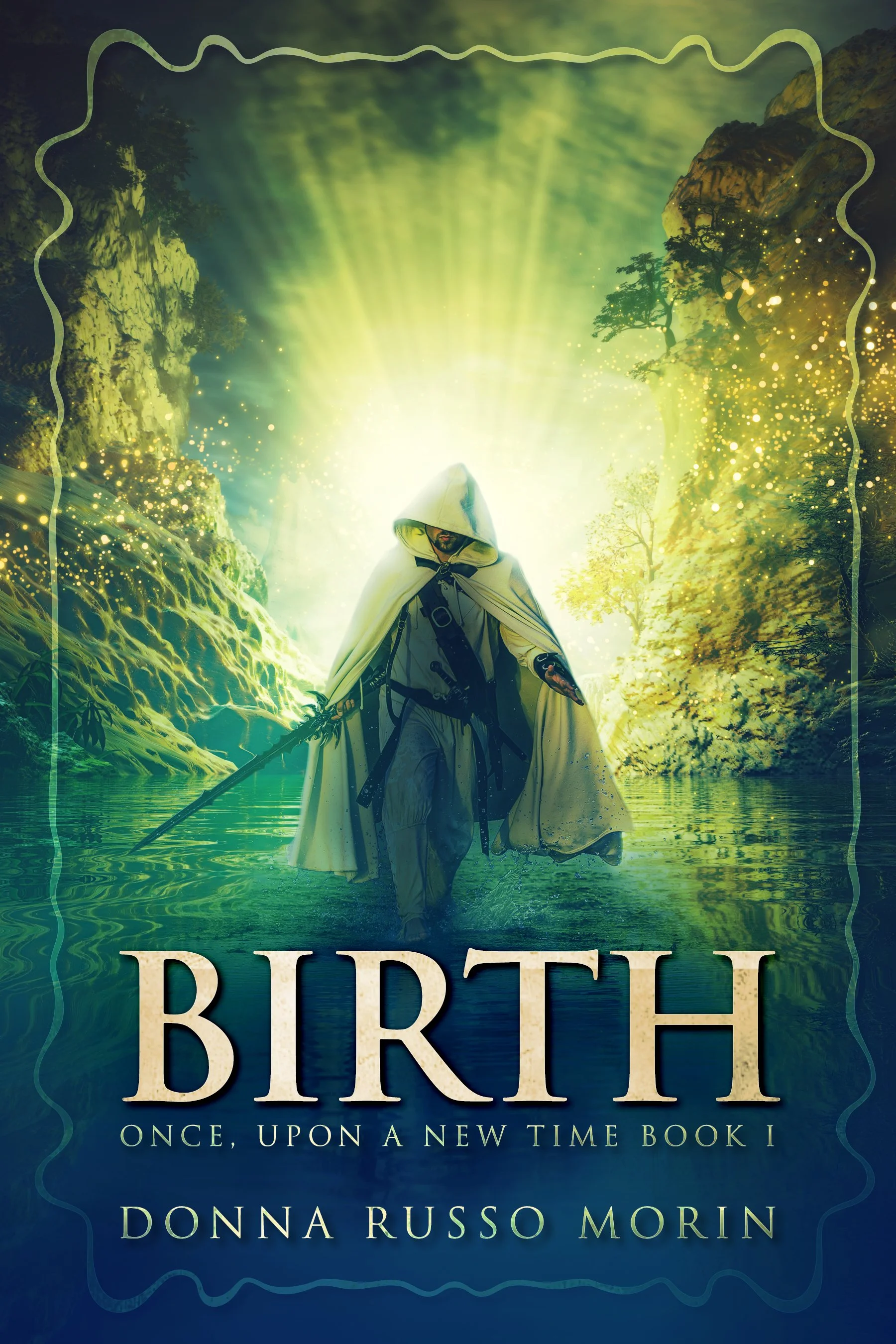
Every dream of utopia begins with the ache of exhaustion—an unwillingness to endure one more cycle of violence, one more lifetime of loss. In Donna Russo Morin’s Birth, the first book in Once, Upon A New Time, that ache finds its voice in Count Witon é Lahkrok, a man weary of endless wars among the races. His longing is not for conquest or glory, but for stillness, for an end to the bloodletting that has shaped his world since before his birth. When he and his companions, Belamay and Persky, embark on a journey to found a new society, their hope is less a rebellion than a rebirth—a belief that peace might be possible if only it is built by those brave enough to imagine it.
Yet the act of creation is never clean. To forge a new world, Witon and his followers must first abandon the familiar, leaving behind the lands that formed them. The journey to their island—an unassuming speck of land adrift in a restless sea—becomes a trial by water and faith. Each wave that batters their ship seems to whisper doubt: can a people so long divided by fear and species truly live as one? The pilgrims’ fragile unity mirrors the delicate equilibrium of any dream of coexistence, where idealism must survive the weight of hunger, loss, and mistrust.
What awaits them on the island is not peace, but magic—ancient, volatile, and alive. The land itself demands worthiness, gifting its power only to those it deems capable of wielding it with honor. In this, Birth speaks to a deeper truth: that harmony cannot be granted or inherited. It must be earned through struggle, humility, and the willingness to be remade. Witon’s new world is not a promised paradise, but a proving ground where the very forces that divide and define them are stripped bare.
Morin’s world is lush with contradiction—its beauty threaded with danger, its tenderness shadowed by lust and blood. Beneath the swords and sorcery lies a meditation on what it means to begin again. The birth of a new time is not a single act, but a continual labor, as fragile as the faith that sustains it. Through Witon’s vision and Belamay’s courage, Birth invites reflection on the human (and inhuman) yearning for renewal—the belief that even in the wake of centuries of conflict, the heart can choose peace, and that choice, though perilous, is the only true form of creation.
In Once, Upon A New Time, the forging of a world becomes a mirror for our own: every attempt at coexistence demands surrender, patience, and the courage to begin again when failure feels inevitable. The birth of a new world, like the birth of peace itself, is never a moment—it is a lifetime’s labor, carried by those who dare to imagine something gentler rising from the ruins.



Sed purus sem, scelerisque ac rhoncus eget, porttitor nec odio. Lorem ipsum dolor sit amet.