



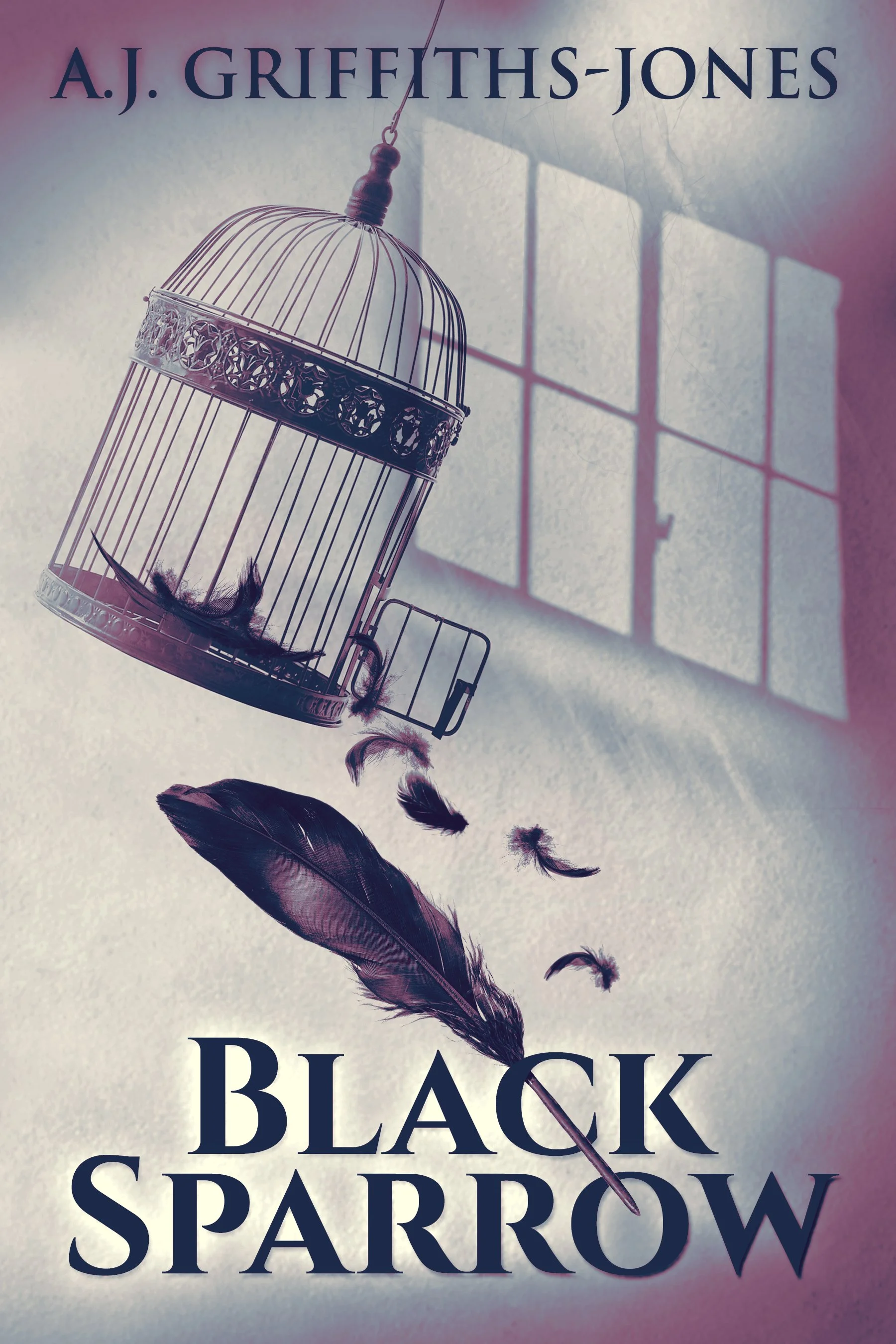
Mistaken Identity in Paris: The Fragility of Fate and Choice
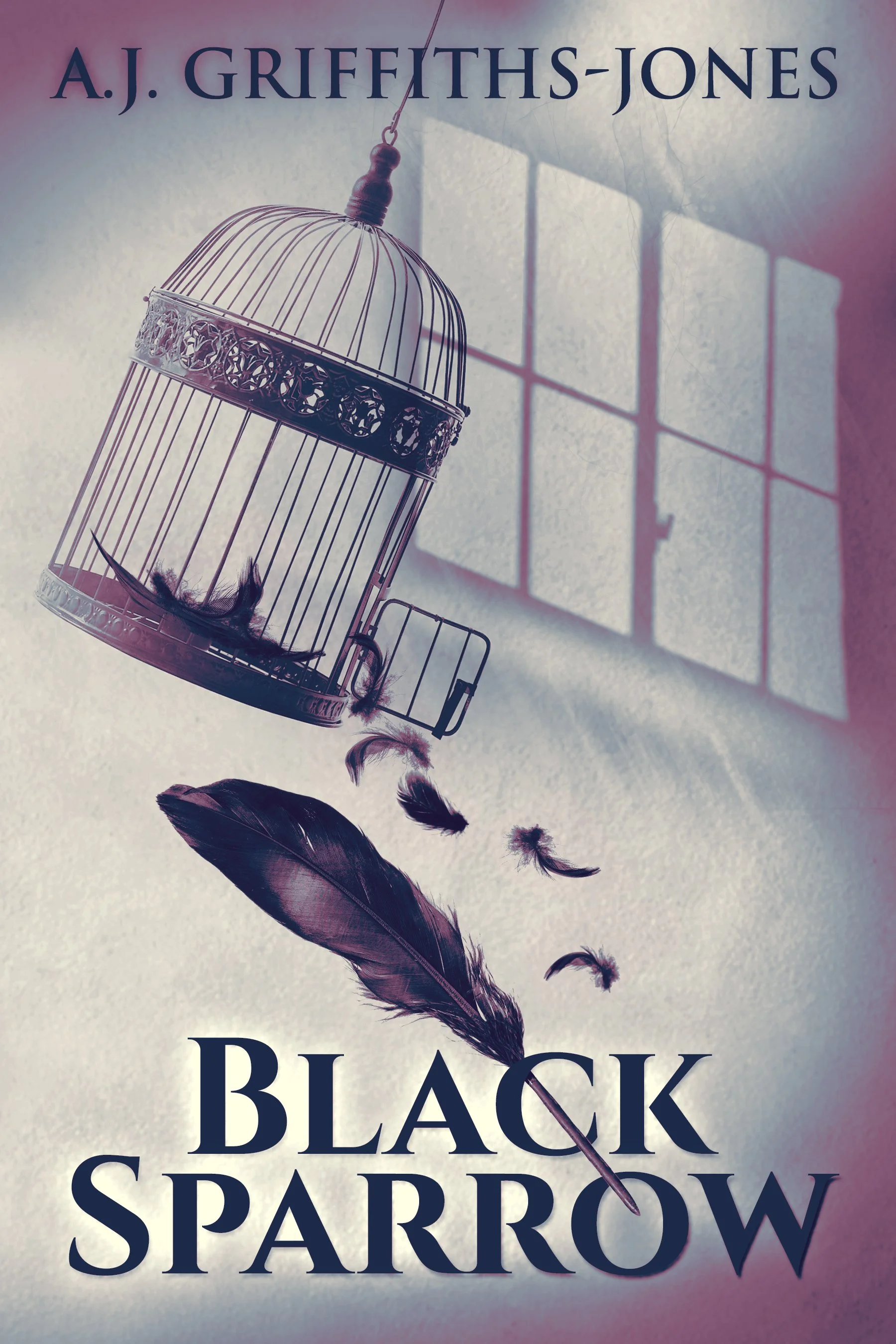
The story begins in transit, suspended between departure and arrival—Heathrow to Charles de Gaulle, London to Paris. It’s a space where people reinvent themselves, where anonymity breeds both liberation and danger. Uzma Rafiq, leaving behind a world of tradition and familial duty, embodies the ache of transformation. Her journey is one of self-definition, driven by the hope that love can offer freedom. But Griffiths-Jones doesn’t romanticize that hope; instead, she exposes its risks. The same decision that empowers Uzma also isolates her, forcing her to confront the cost of stepping outside what she’s always known.
Across the aisle sits another traveller, a hired assassin boarding his final assignment. His presence introduces a chilling symmetry—both passengers are running from something, both are driven by belief. Yet where Uzma seeks a new beginning, he seeks an end. When fate—or misfortune—swaps their luggage, the mix-up becomes a metaphor for identity itself. The wrong suitcase, the wrong life, the wrong story. The world of Black Sparrow is one where a single error can spiral into tragedy, and where moral boundaries blur until they dissolve entirely.
Paris, often romanticized as the “City of Lights,” takes on a different hue in Griffiths-Jones’s hands. Beneath its postcard beauty lies a tension between freedom and fear, truth and deceit. The author’s choice to let multiple characters narrate their own fragments of the story deepens this complexity. Each voice carries its own version of truth, reminding us that understanding is always partial, always filtered through emotion and motive. It’s a structure that mirrors real life—the way stories intersect without resolution, how one person’s choice reverberates through the lives of others.
Ultimately, Black Sparrow becomes less about crime than about consequence. It’s a novel of moral collision, where destiny is shaped not by grand design but by the smallest slips of human error. Through Uzma’s disappearance, her family’s quiet panic, and the assassin’s unraveling composure, Griffiths-Jones suggests that what binds us isn’t fate but fallibility. The fragile threads that connect lives—chance encounters, missed signals, mistaken belongings—are both terrifying and profoundly human.
In this haunting tale of mistaken identity and moral reckoning, the question lingers long after the final page: how much of who we are depends on the choices we think we control, and how much on the ones made for us by accident?
Sed purus sem, scelerisque ac rhoncus eget, porttitor nec odio. Lorem ipsum dolor sit amet.