



Love and Redemption in the Shadows: Healing After Darkness in a Time of War
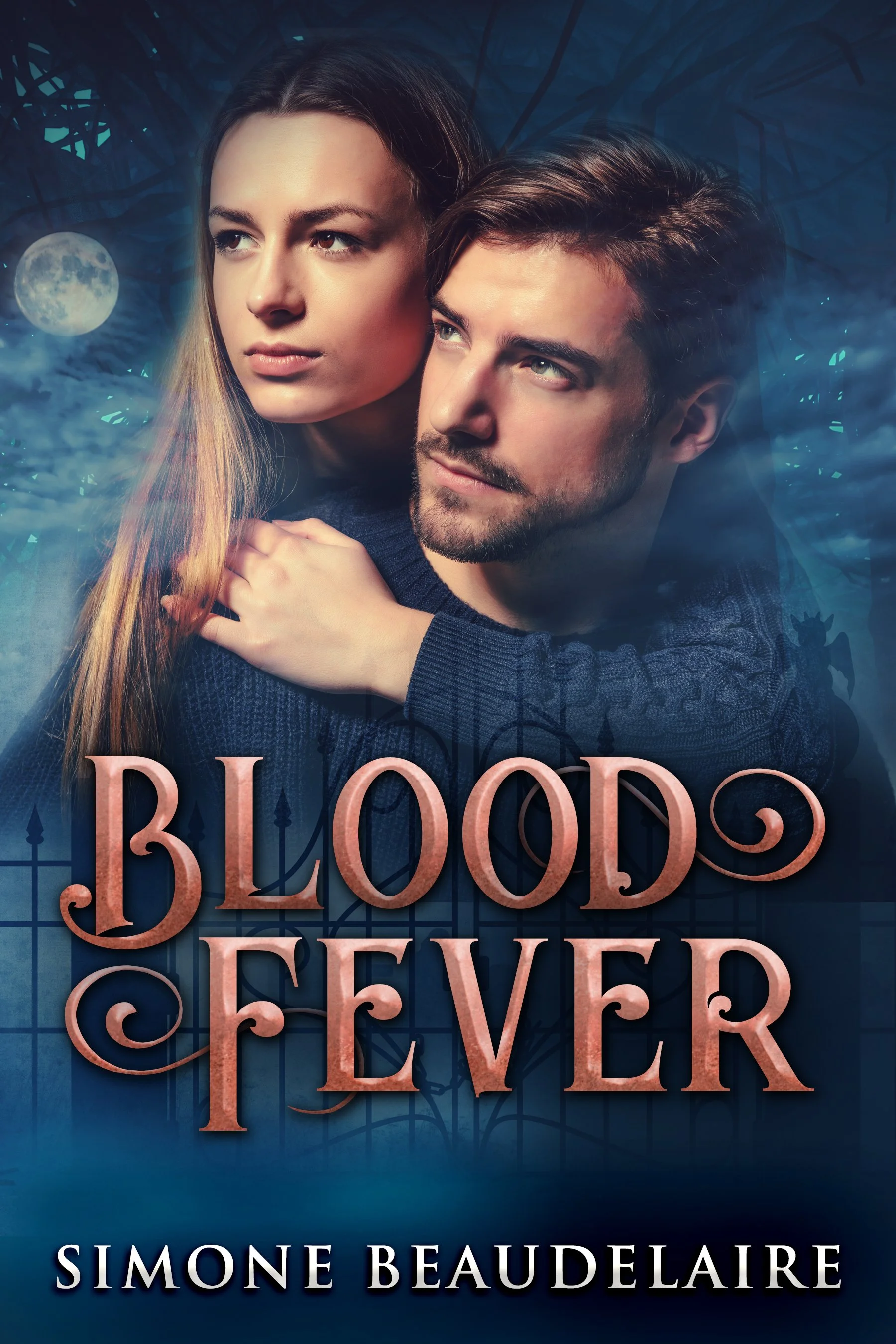
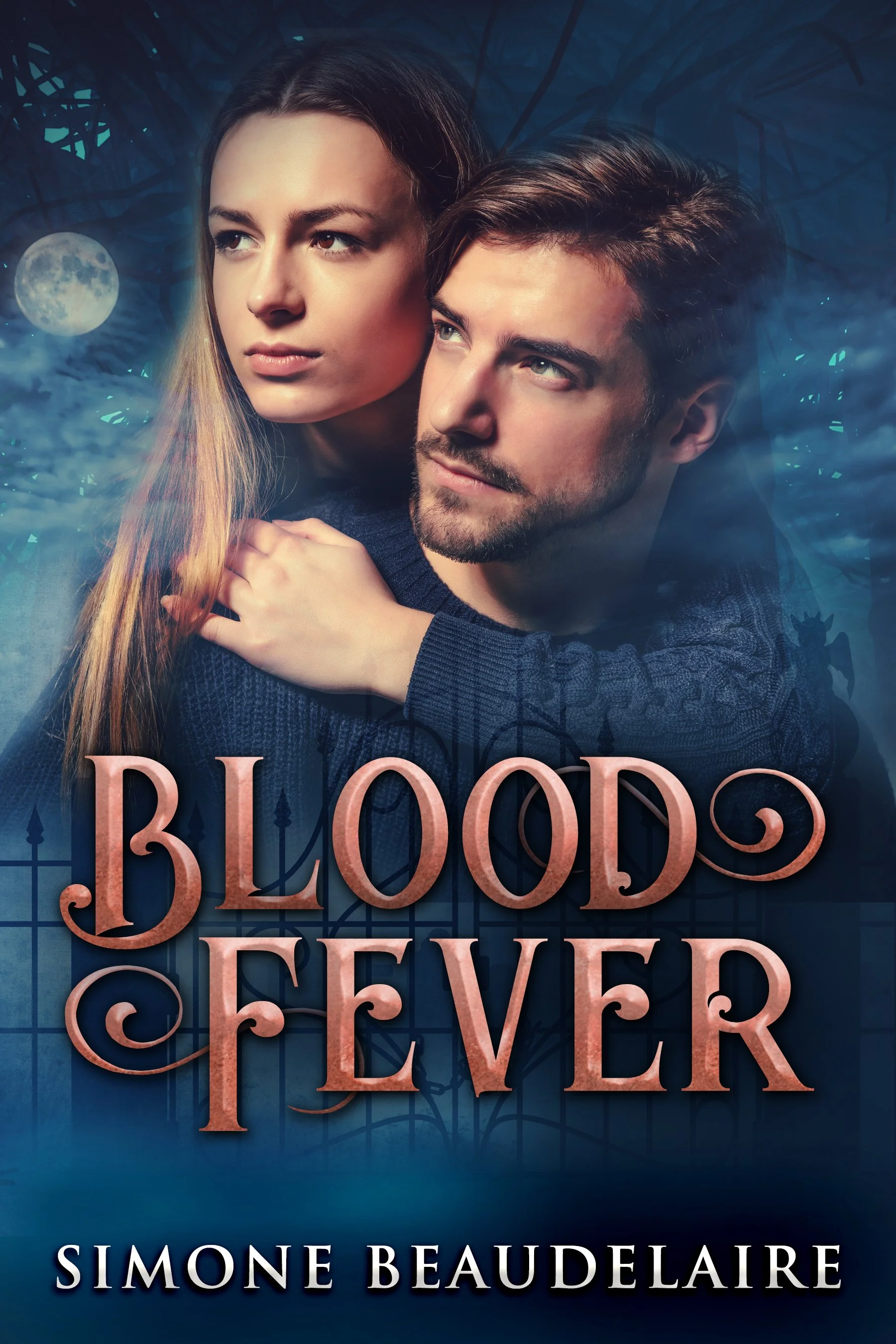
In the humid twilight of 1945 New Orleans, the air itself seems to thrum with danger and desire. The city, pulsing with jazz and haunted by its past, becomes a fitting backdrop for a story that examines the tangled threads of redemption, guilt, and love’s persistence against the pull of darkness. In Blood Fever, Simone Beaudelaire blends the menace of the supernatural with the tenderness of human longing, reminding us that healing often begins in the most unlikely places — even amid ruin.
As the war in Europe draws to its exhausted close, the wounds of the world are mirrored in the hearts of those left behind. Philippe Dumont, a scientist chasing the cure to a mysterious plague, is haunted not only by his past but by the memory of a woman lost to violence and betrayal. The shadows he confronts are not limited to the fever that infects human blood — they are the lingering specters of guilt and self-loathing that feed on regret. When Daphne Delaney, a bright and determined researcher, joins him in his desperate work, their collaboration becomes a fragile kind of salvation. She brings to his darkness the quiet strength of belief — in science, in hope, and perhaps, unknowingly, in him.
But Beaudelaire does not offer love as a simple remedy. Instead, she frames it as a dangerous experiment in its own right: volatile, transformative, and often beyond control. Daphne and Philippe’s connection is born of proximity and fear, yet it deepens into something more elemental — a recognition that love, like science, demands risk. In a city built on contrasts — decadence and decay, holiness and sin — their bond reflects the paradox of life after war: to rebuild, one must first confront what has been destroyed.
Against the lush, decaying beauty of the bayou, the story unfolds like a fever dream, filled with longing and the ache of survival. The vampires here are more than creatures of myth; they are emblems of obsession and power, of humanity’s endless temptation to dominate and consume. In facing the Vampire King, Philippe and Daphne are forced to look inward, to reckon with the darker impulses that exist in every soul. Their victory, if it can be called that, is not in the destruction of evil but in their refusal to surrender to it — a defiance that feels achingly human.
Ultimately, Blood Fever is a meditation on healing after darkness — the slow, painful process of reclaiming one’s own body and heart after violation and fear. It is about the persistence of tenderness in a world still trembling from war, and about the redemptive act of choosing love even when the night offers no guarantees. In Beaudelaire’s hands, the gothic becomes a mirror: one reflecting not only the monsters that haunt us, but the fragile, luminous humanity that refuses to die.




Sed purus sem, scelerisque ac rhoncus eget, porttitor nec odio. Lorem ipsum dolor sit amet.