



Criminal Psychology and Trauma: Understanding Multiple Personalities Through the Eyes of Justice
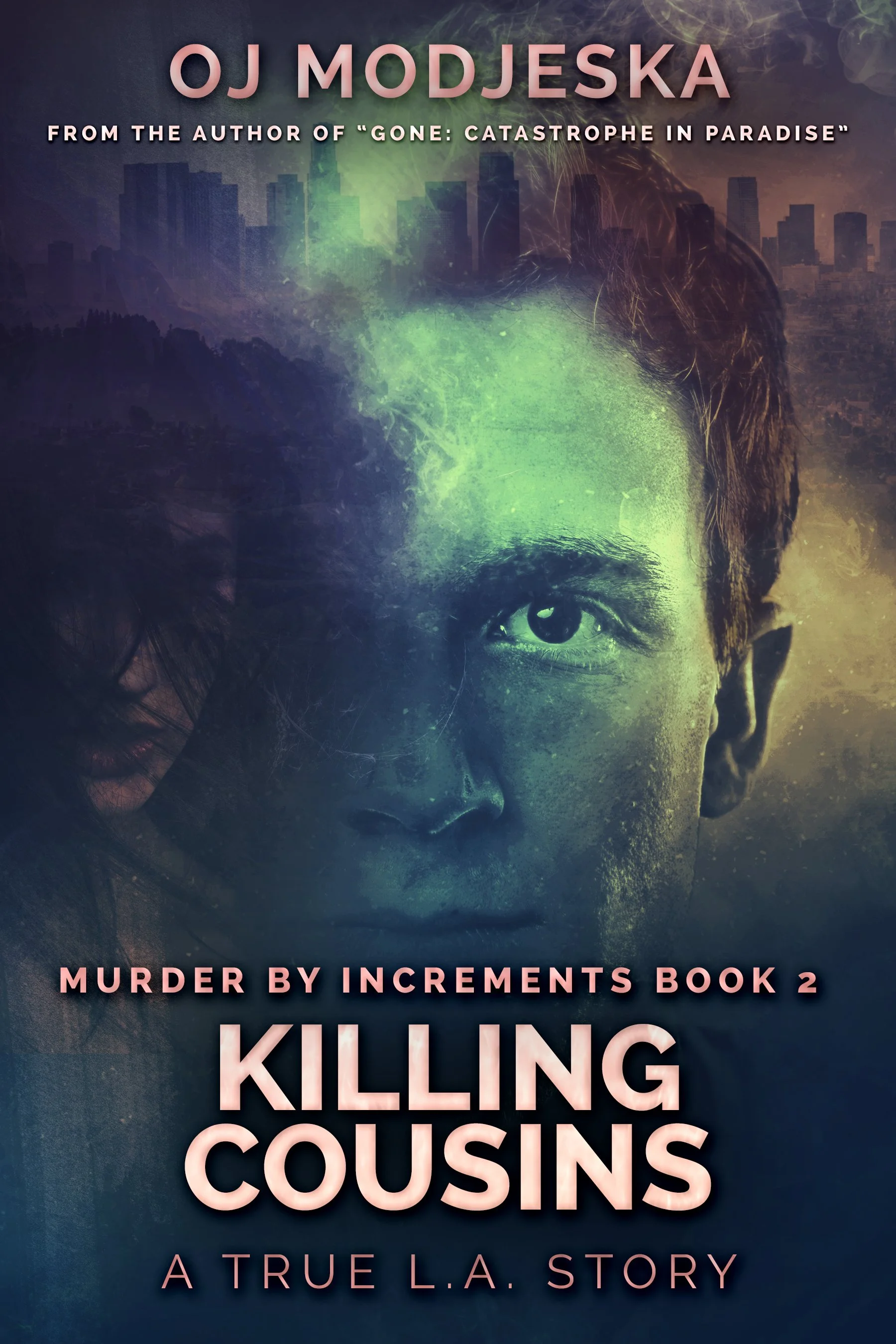
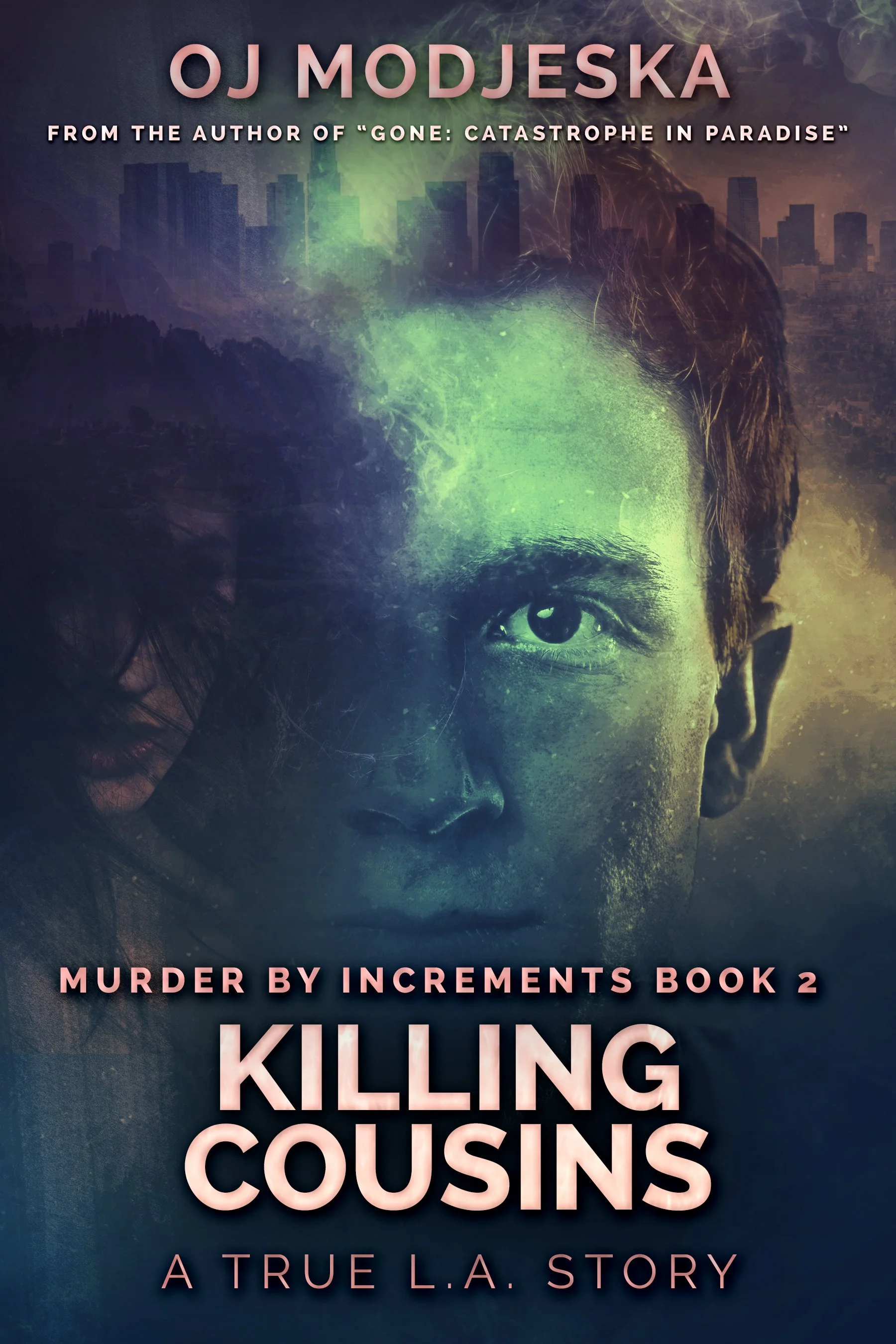
In the quiet churn beneath every crime story lies a deeper truth—often unspoken, often unbearable. Killing Cousins, the second installment of OJ Modjeska’s Murder by Increments series, navigates that fraught territory where psychology meets horror, and where trauma may not only explain monstrous acts but also challenge our understanding of accountability itself. What begins as a failed two-year manhunt in Los Angeles turns into a chilling exploration of a man whose childhood scars may have twisted into something unrecognizable—and lethal.
At the center of this disturbing narrative is a suspect whose persona is as disorienting as his crimes. Was he suffering from dissociative identity disorder, genuinely fractured by an upbringing marked by violence and exploitation? Or was he a manipulative sociopath using the language of trauma to cloud the truth and evade justice? In asking these questions, the story doesn't attempt to simplify or romanticize. Instead, it leans into the murkiness of the human mind, particularly the dark corners forged by early abuse and systemic failure. The line between victim and villain blurs disturbingly, provoking discomfort more than clarity.
The story reaches far beyond Los Angeles, drawing unexpected parallels to the Rochester teen killings—an unresolved thread that lingers like smoke. These connections aren't merely about linking crime scenes; they point to an unrelenting presence of human suffering, of young lives lost to an invisible network of neglect and manipulation. The scope expands: this isn’t only a tale of murder, but of the social and psychological ecosystems in which such cruelty can grow unnoticed.
In chronicling the suspect’s entanglement with another predator, and their descent into a life of pimping and exploiting vulnerable runaways, Killing Cousins exposes not just the individual pathology, but also a societal complicity. The longest trial in California’s history becomes more than a courtroom drama—it becomes a reckoning. Here, defense and prosecution psychologists struggle to label a man who defies categorization, each expert diagnosis cracking open another layer of ambiguity.
And so the reader is left with the unsettling responsibility of judgment. This is not a story that delivers justice in clean lines or tidy conclusions. Instead, it invites contemplation about the nature of evil, the possibility of fractured selves, and how deep childhood wounds might reverberate into unfathomable acts. In the end, the question isn’t just whether the killer had multiple personalities—it’s whether we are prepared to confront the parts of our society, and ourselves, that allow such monsters to exist.

Sed purus sem, scelerisque ac rhoncus eget, porttitor nec odio. Lorem ipsum dolor sit amet.