



Healing After Trauma in Urban Landscapes: Exploring Dark Psychological Mystery
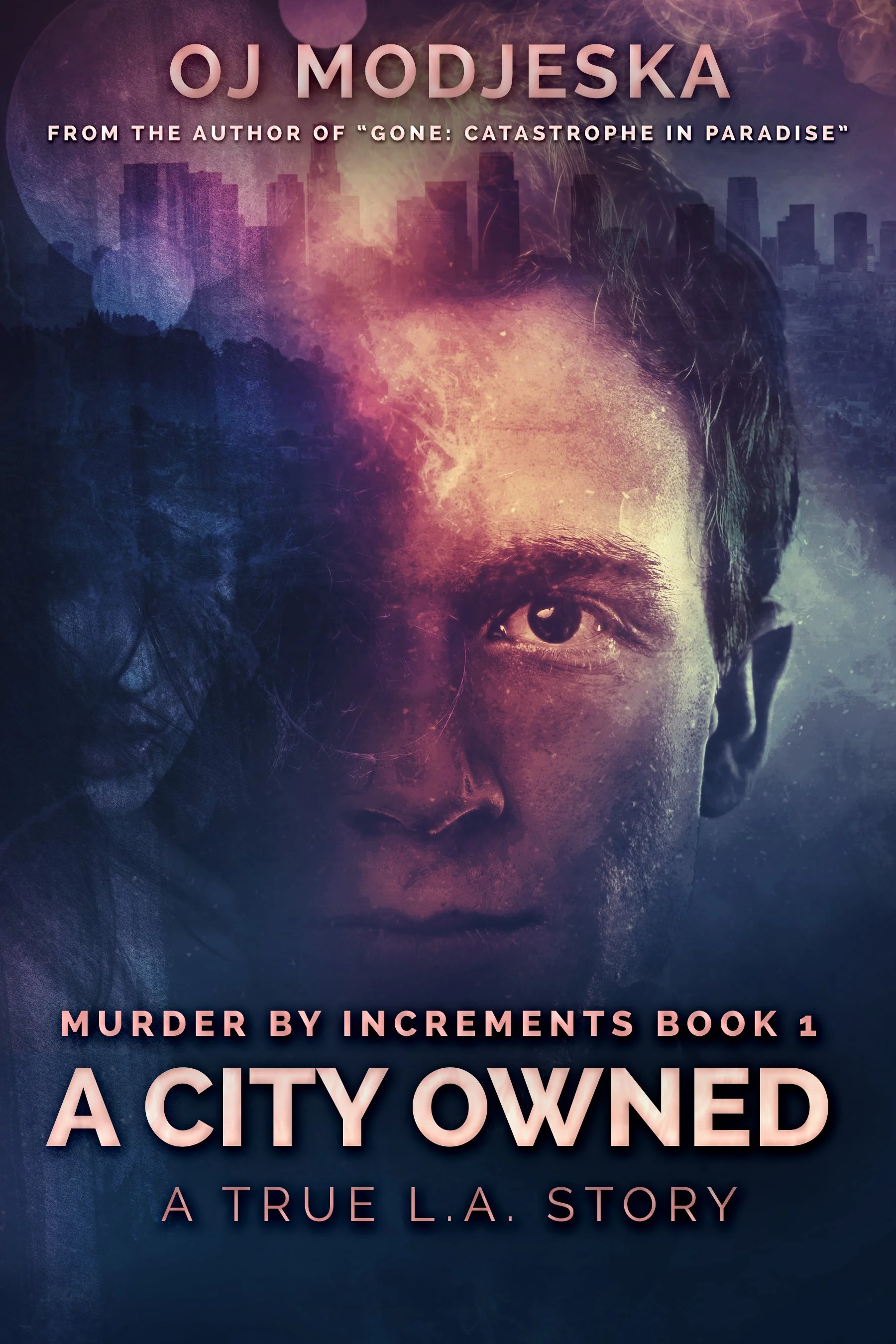
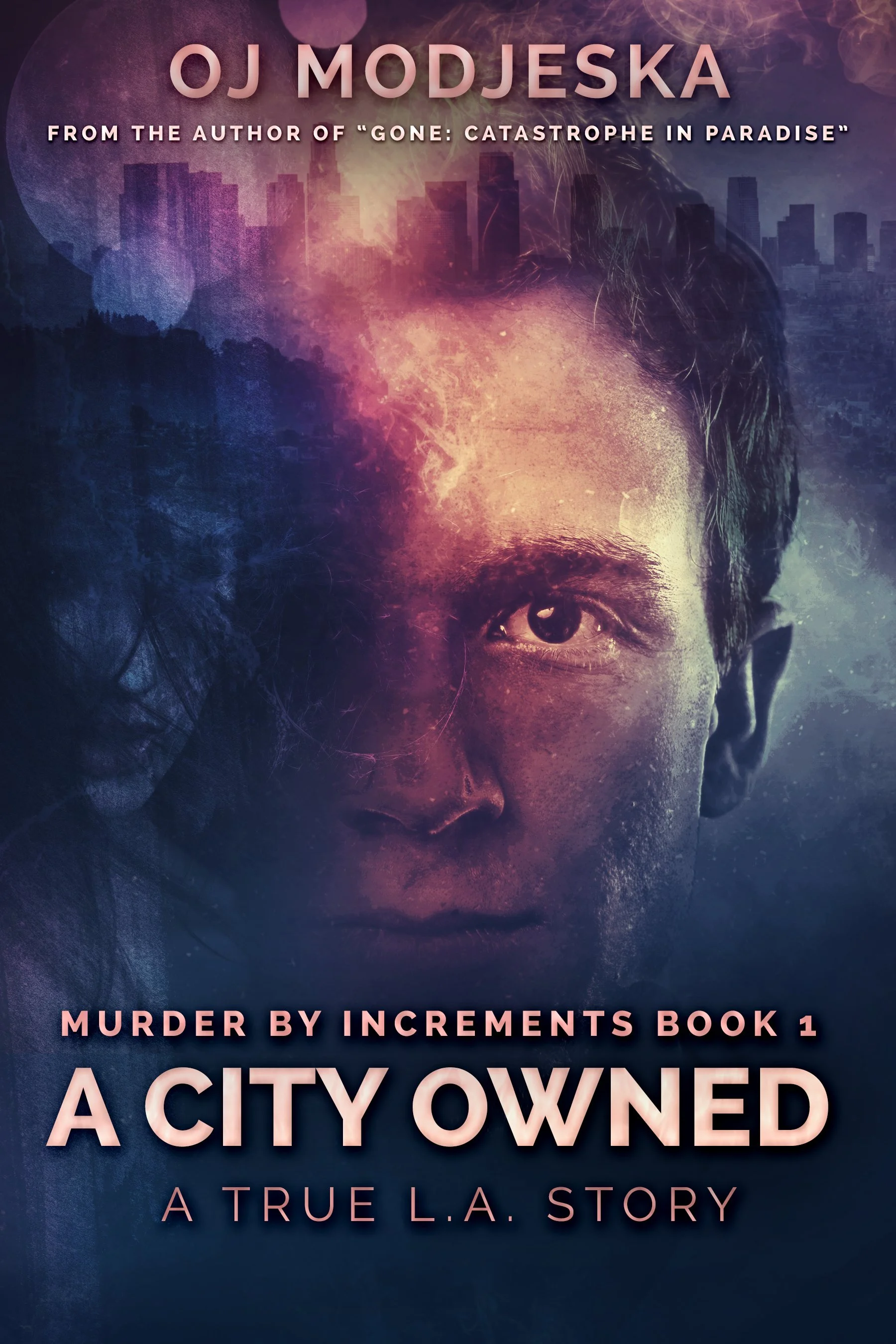
One after another, the young women appear along quiet suburban roads—strangled, raped, tortured, and left for dead. The sprawling city of Los Angeles, glamorized from a distance, becomes a landscape of horror in A City Owned. It is here, amid freeways and mirrored glass of office buildings, that trauma not only scars the victims but seeps into the psyche of an entire community. Healing after trauma takes on layers that are as urban and impersonal as they are deeply personal, woven into neighborhoods and echoing through the corridors of hospitals, courtrooms, and psychiatric sessions.
As investigators tentatively pin their hopes on a suspect crossing state lines, doubts arise—not about whether he committed the crimes, but whether he even remembers them. Amnesia and dissociative identity become central players in this dark mystery, reframing traditional notions of guilt, responsibility, and the human mind’s capacity to fracture under strain. In the search for truth, mental illness is not an explanation to be dismissed lightly: it is the gateway into the maze of identity, memory, and moral consequence.
The author OJ Modjeska, whose prior work delved into catastrophe and survival, expands into psychological terrain with unflinching intensity. The city itself becomes a silent character: indifferent, expansive, efficient in infrastructure yet barren in compassion. That anonymity, that indifferent system, lets evil live in plain sight. Yet within the oppressive architecture, the drive toward justice becomes a path to self‑discovery—for the detectives, for the psychiatrist team, and perhaps most painfully, for the man who may or may not be “Steve,” the malevolent alter‑ego.
In this mystery, grief and loss do not end with the police case. Families seek closure; survivors press forward through fear; the community lives in suspended dread. Healing after trauma stretches beyond individual resilience—it becomes a collective need, pulling at every part of the city and everyone within it. And in that shared pain lies the potential for transformation: an awakening to the responsibility we carry toward one another, to the ways we look—and fail to look—into the broken minds amongst us.
Yet the ultimate heartbreak is that truth may not mean innocence. What if the suspect’s denial is not proof of mental illness but the culmination of a lifelong pattern of manipulation—of deceiving not just others, but himself? That possibility turns the search for justice into an exploration of self‑deception, identity as performance, and the darkest corners of the mind.
In A City Owned, Los Angeles is more than backdrop—it’s a mirror to inner darkness, a stage for psychological reckoning, and a place where the strands of memory, identity, crime, and healing intertwine in a landscape that feels disturbingly real.




Sed purus sem, scelerisque ac rhoncus eget, porttitor nec odio. Lorem ipsum dolor sit amet.