



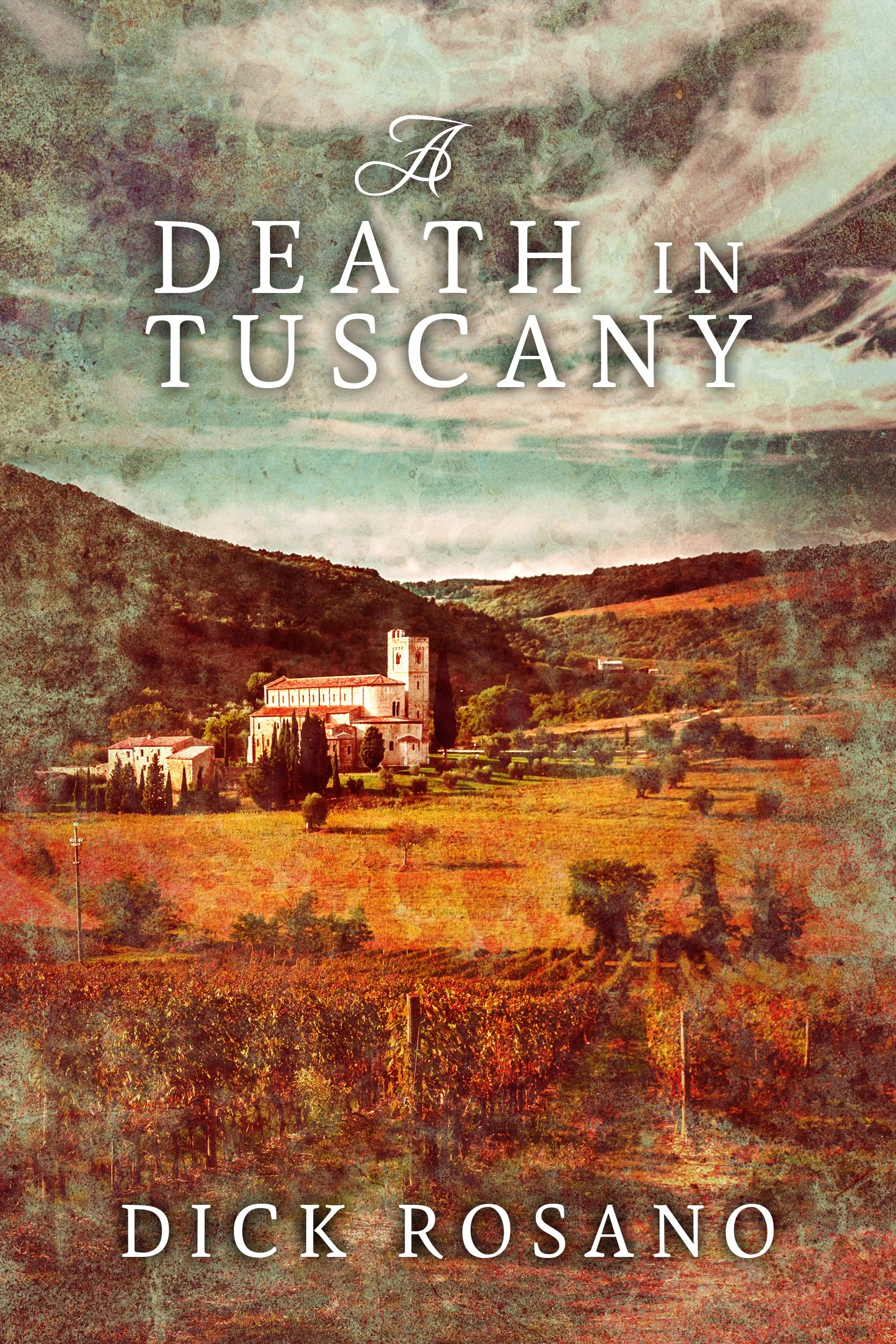
Family Secrets in Fiction: Discovering Truth and Identity in the Tuscan Countryside
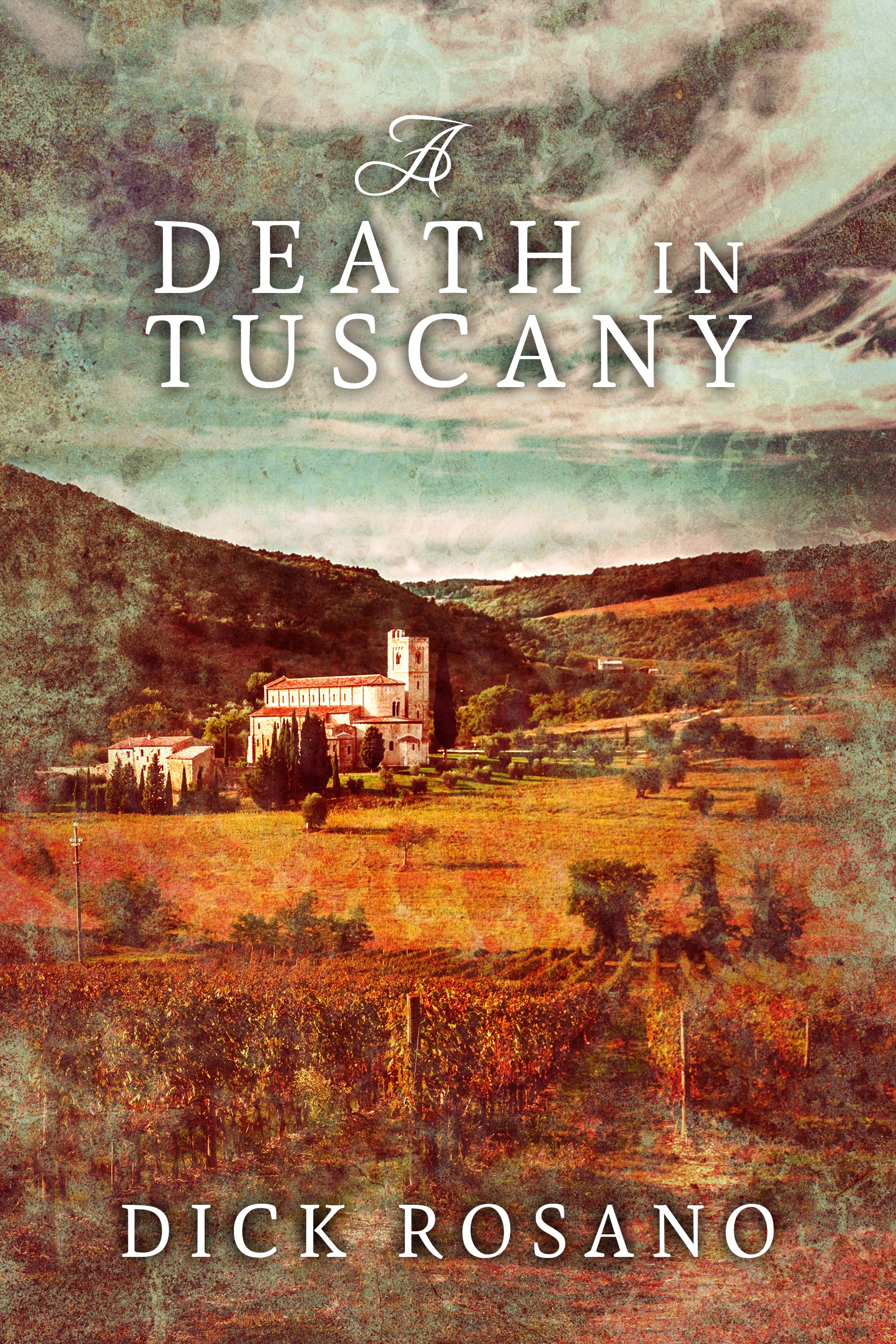
There is a particular kind of silence that only rural landscapes can hold—an unspoken tension between beauty and memory, between the past and what remains unsaid. In A Death in Tuscany, that silence is broken not with violence, but with a whisper: something’s not right. A life has ended, and it’s left a space where comfort used to be. Filippo Trantino, returning to the Italian countryside of his childhood for his grandfather’s funeral, is not merely coming home—he’s stepping back into a history that refuses to stay buried.
Loss often demands presence. For Filippo, grieving means not only facing the death of a man who once held the family together but also the unraveling threads of a legacy steeped in vines and aged in barrels. The landscape of Tuscany—so romanticized for its sun-drenched hills and robust wine—becomes something far more intimate here: a place where each road remembers him, each vineyard whispers in a familiar dialect. This homecoming, shadowed by suspicion, forces Filippo to look closely not just at the circumstances of his grandfather’s death, but at the life he’s lived in exile from his roots.
Mystery, in this story, is not confined to crime. It’s in the way identity splinters across oceans and generations. The deeper Filippo digs into his grandfather’s past, the more he must confront the life he left behind—and the one he’s never allowed himself to fully imagine. The investigation becomes both literal and metaphorical: to understand who killed Nonno Filippo is also to understand what it means to be part of something enduring, something shaped by land, tradition, and familial bonds that don’t always feel like love but are no less binding.
As he travels across Tuscany’s familiar landscapes, wine is more than a backdrop—it’s the language of his ancestors, the livelihood of his cousins, and the connective tissue of his own fragmented identity. There’s a sensory nostalgia here: the taste of a well-aged vintage that brings back childhood memories, the smell of sun on earth that makes time collapse. With every sip, Filippo is reminded of who he was, who he could be, and what he may have missed in leaving.
A Death in Tuscany doesn't push the reader toward resolution as much as it invites them to linger in uncertainty. It's a novel about how the past shapes the present, how grief exposes hidden truths, and how coming home often means rediscovering parts of yourself you didn’t know you’d lost. In the tension between suspicion and belonging, between loss and revelation, we’re reminded that sometimes, it takes a death to return us to life.

Sed purus sem, scelerisque ac rhoncus eget, porttitor nec odio. Lorem ipsum dolor sit amet.