



Forbidden Rivalries and the Nature of Power: Exploring Love and War in Fantasy Fiction
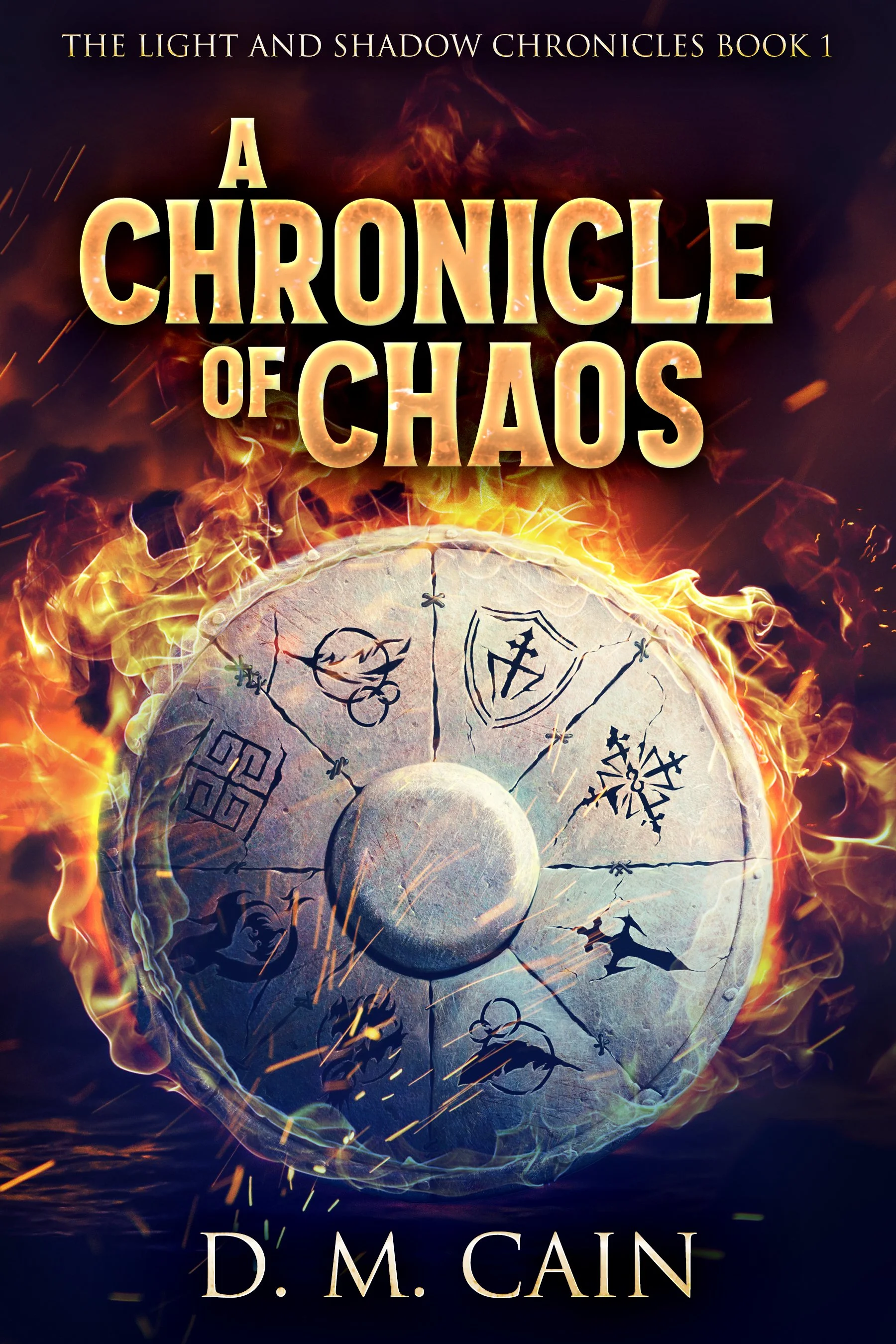
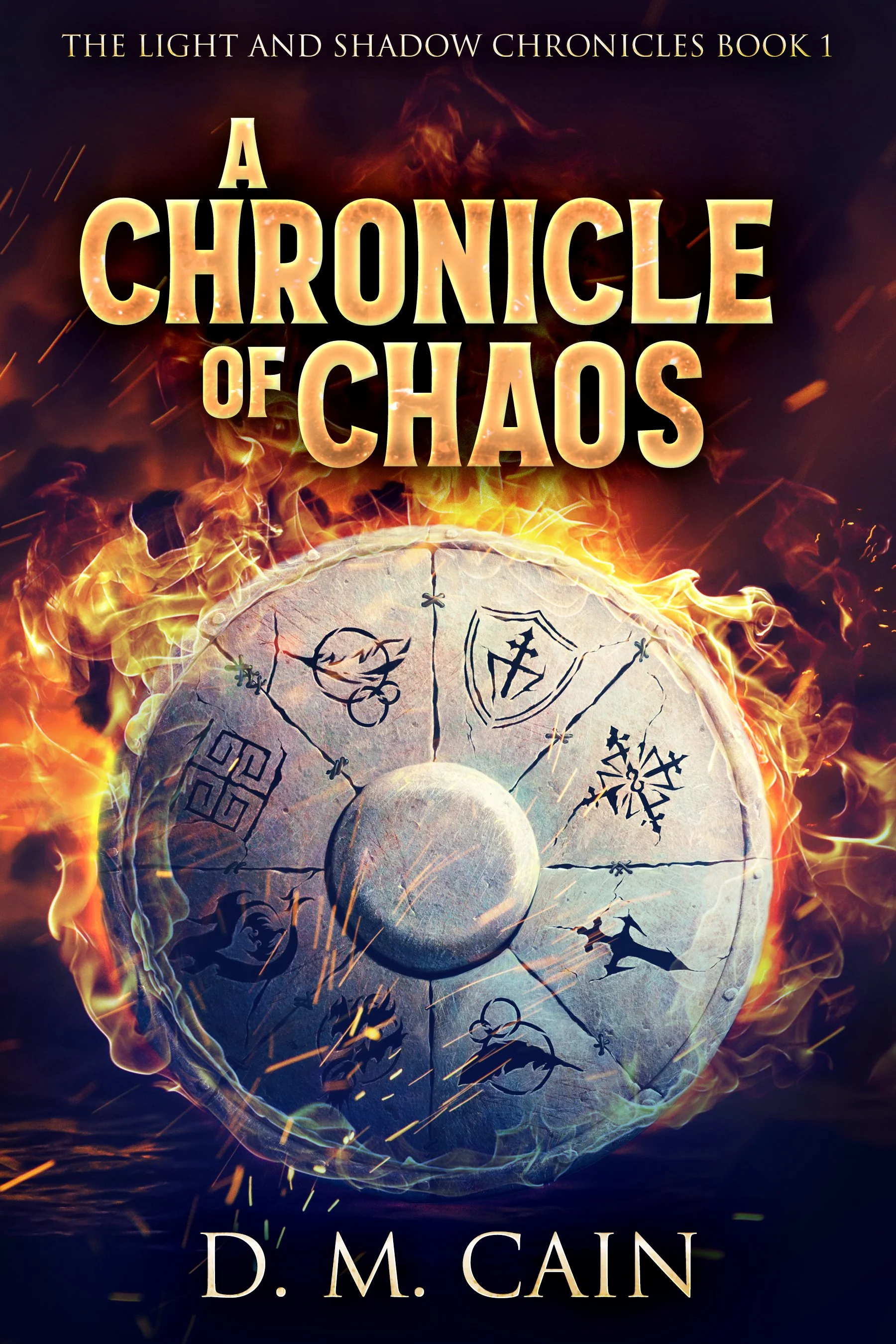
In epic fantasy, war often serves as a backdrop for grand destinies and heroism, but rarely does it probe as intimately into the hearts of those caught in its storm as A Chronicle of Chaos does. Beneath the banners of Light and Shadow, and the clashing swords of angels and demons, lies a story not about sides—but about the fragile humanity that persists even when the world demands inhumanity.
At the center of the novel is Chaos, a soldier shaped by ideology and pride, who enters the narrative with a rigid sense of righteousness. His life is defined by allegiance to The Children of Light and the pursuit of honor, but it is the unexpected meeting with the demon Anathema that begins to unravel everything he believes. Their rivalry, borne from the instinct to destroy, does not spiral into typical battle-lust. Instead, it becomes a crucible of self-confrontation, testing the boundaries between loyalty and desire, hatred and fascination.
The war in this world has raged for centuries, and with each passing generation, its purpose grows murkier. What began as a clear-cut battle of good versus evil is slowly revealed as far more complex. Each side claims the moral high ground, yet both are capable of cruelty, indoctrination, and blind vengeance. Cain's world is one where prophecy and fate manipulate individuals into roles they never chose. Through this, the novel asks what it truly means to follow a path that was supposedly written for you. Are we agents of destiny, or are we merely playing parts in a war authored by powers we don’t understand?
What makes Chaos and Anathema’s story compelling is the emotional ambiguity. The more they try to destroy each other, the more they see their own pain reflected in the other. Their dynamic becomes a mirror for the larger conflict—how easily hatred masquerades as purpose, and how vulnerability often wears the mask of aggression. Their growing connection is not romanticized, but rather presented as the consequence of shared trauma, of being caught in a world that only values strength and domination.
D.M. Cain, whose work often blends metaphysical depth with high fantasy stakes, brings a unique voice to the genre. She explores how ideological extremes isolate individuals, making true connection feel impossible. But within this isolation, she also carves out moments of quiet transformation—where enemies become confidants, and chaos births reflection. A Chronicle of Chaos is ultimately not just a fantasy tale about angels and demons, but a meditation on how identity, loyalty, and love evolve when everything familiar begins to collapse.
This is not a story about winning or losing a war. It’s about the haunting cost of believing in absolutes, and the unexpected humanity found when one learns to question them.
Sed purus sem, scelerisque ac rhoncus eget, porttitor nec odio. Lorem ipsum dolor sit amet.