



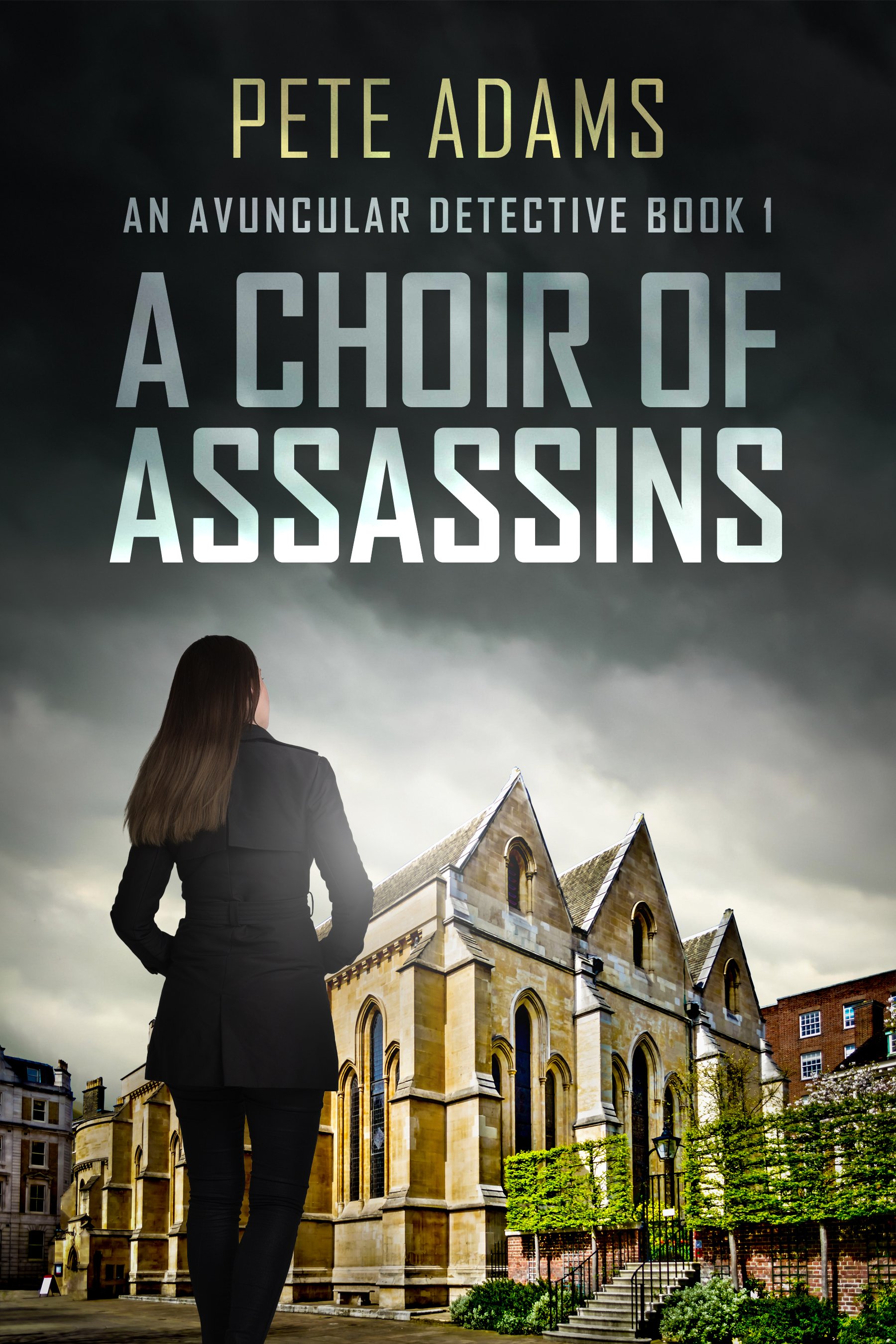
Uncovering Ancient Conspiracies: Murder in a Royal Peculiar and the Weight of Unfinished Justice
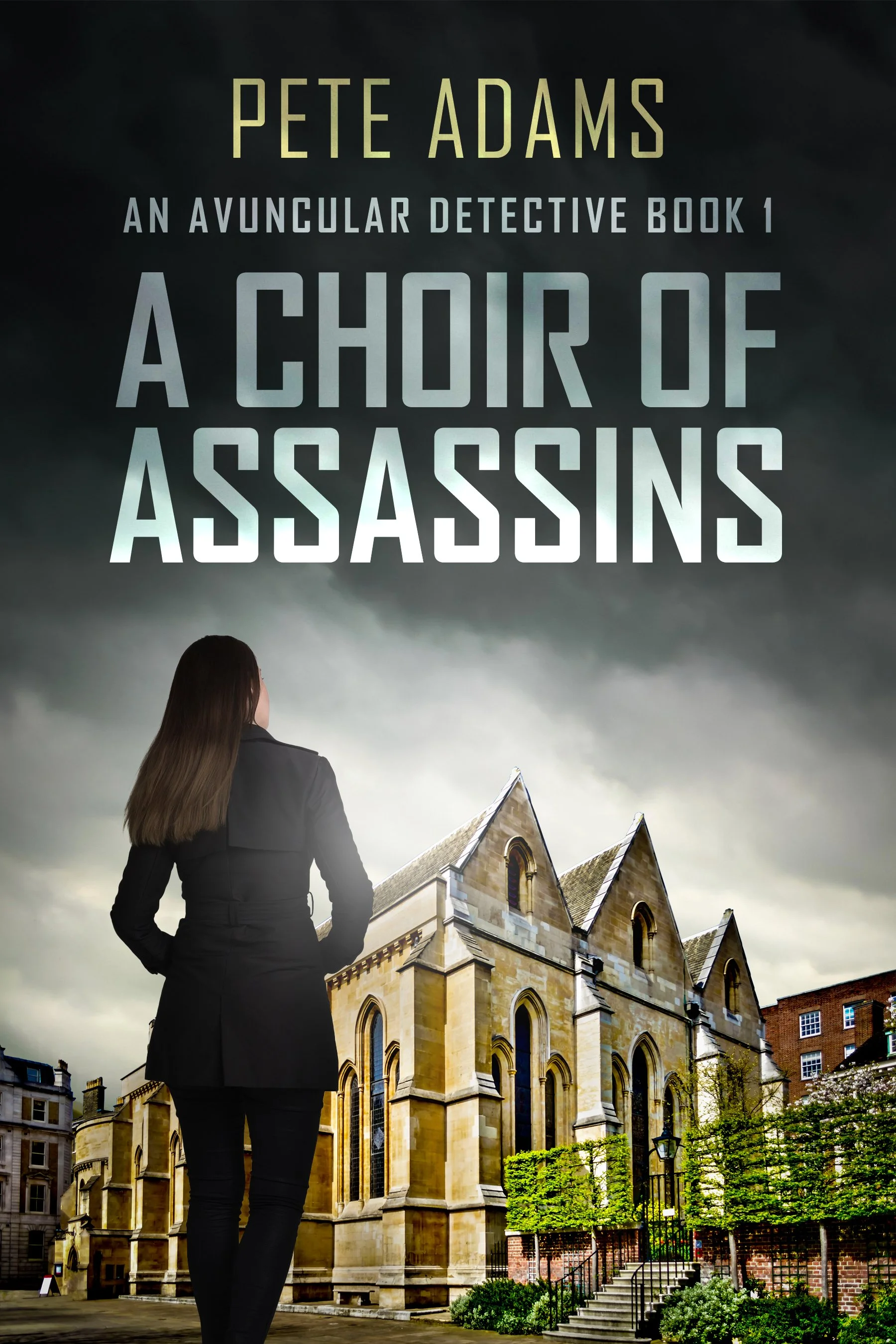
Beneath the shadowed arches of the Temple Round Church, history whispers in blood. When a man dies in such a place—dressed as a Knight Templar and embraced by his killer—it’s not only a murder, it’s a ritual echo. In Pete Adams’s world, violence doesn’t just shatter lives; it reverberates through time, cracking open old secrets and drawing unlikely people into a dangerous dance. A Choir of Assassins, the first book in the Avuncular Detective series, isn't merely a mystery—it's a haunting reckoning with the past that insists on being heard.
The novel turns its gaze toward the fragile boundaries of justice, especially where official systems fall short. Cherry Clarke, once a detective, now lives with the consequences of retirement and a justice system that lets violent offenders walk free. When the Brainy Boys are acquitted after attacking an elderly professor, Cherry’s act of spontaneous defiance—smashing one of them with a brick—feels less like vigilantism and more like a deep human protest against the erasure of truth. The law might look away, but conscience doesn’t.
As Cherry is pulled further into the tangled web of deaths and coverups, the concept of the “Royal Peculiar” becomes more than historical trivia. It becomes a kind of sanctuary for impunity, where bodies disappear and justice is managed in the shadows. The sacred and profane blend unsettlingly here: churches that harbor assassins, orders of nuns trained in clean-up operations, and ancient religious rites twisted into cryptic codes of execution. The old world hasn’t disappeared—it’s just adapted, and its mechanisms of control still hum in the background.
This dissonance between past and present—between the London of Knights Templar and the high-tech surveillance state of Mammon—is part of what makes the novel so disorienting and rich. Seven severed pinkie fingers set off a high-tech alert, but they also conjure something ancient and terrifying: the sense that symbols still matter, that murder is sometimes a message, not just a crime. Cherry’s reluctant role as an “avuncular” to Professor Smith doesn’t just give her a new mission; it forces her to navigate a hidden world where personal responsibility carries spiritual weight.
In the end, A Choir of Assassins isn’t only about the crimes committed, but about the long tail of unresolved power—how institutions, ancient and modern, bend truth and manipulate justice. It’s a story about finding your place when you’ve been discarded by the system, and about daring to name wrongs that everyone else has agreed to forget. As Cherry uncovers a deeper conspiracy, she also uncovers herself: not just as a former detective, but as someone who cannot walk away from the unfinished business of history.



Sed purus sem, scelerisque ac rhoncus eget, porttitor nec odio. Lorem ipsum dolor sit amet.