



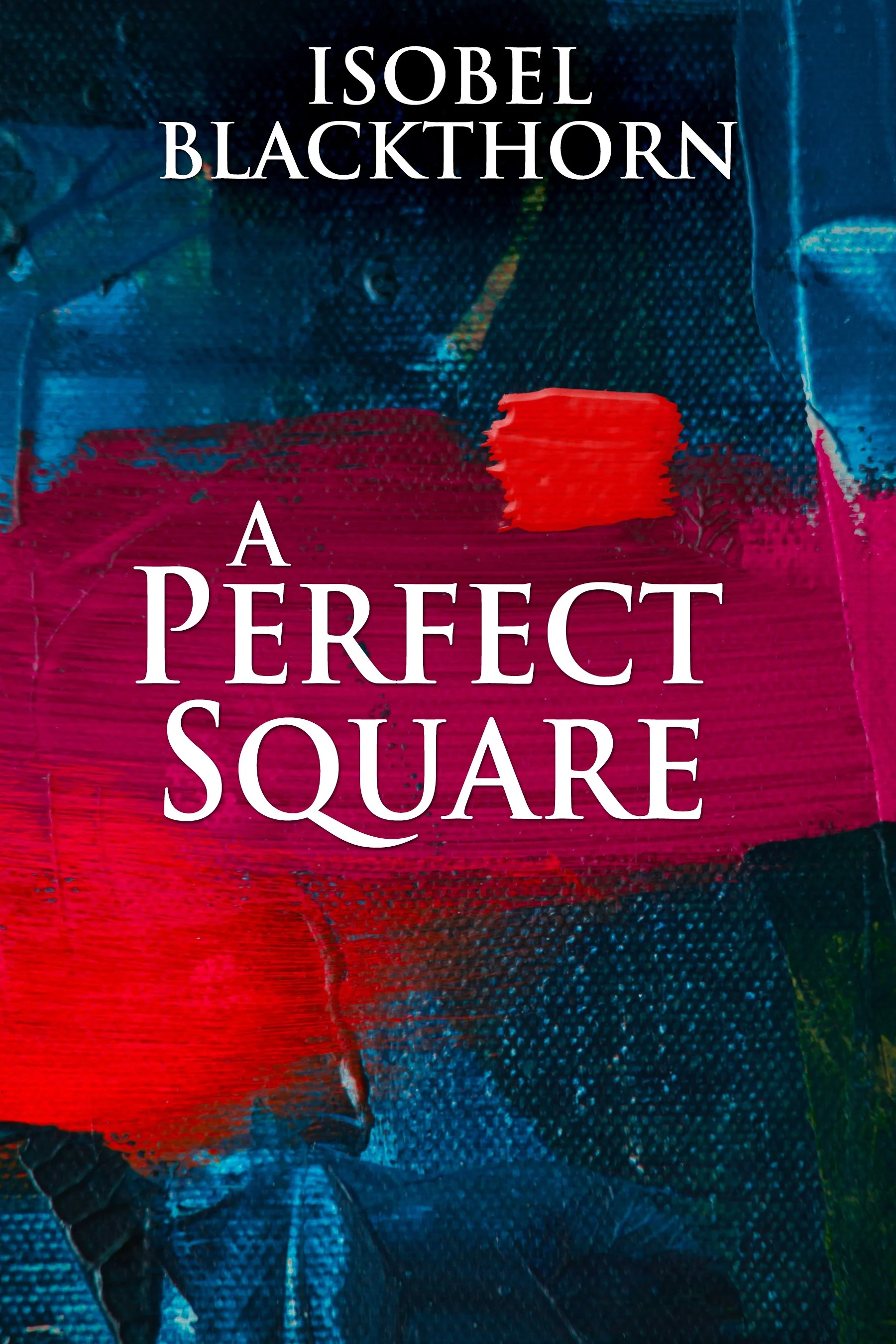
Healing Through Art: Exploring Mother-Daughter Relationships
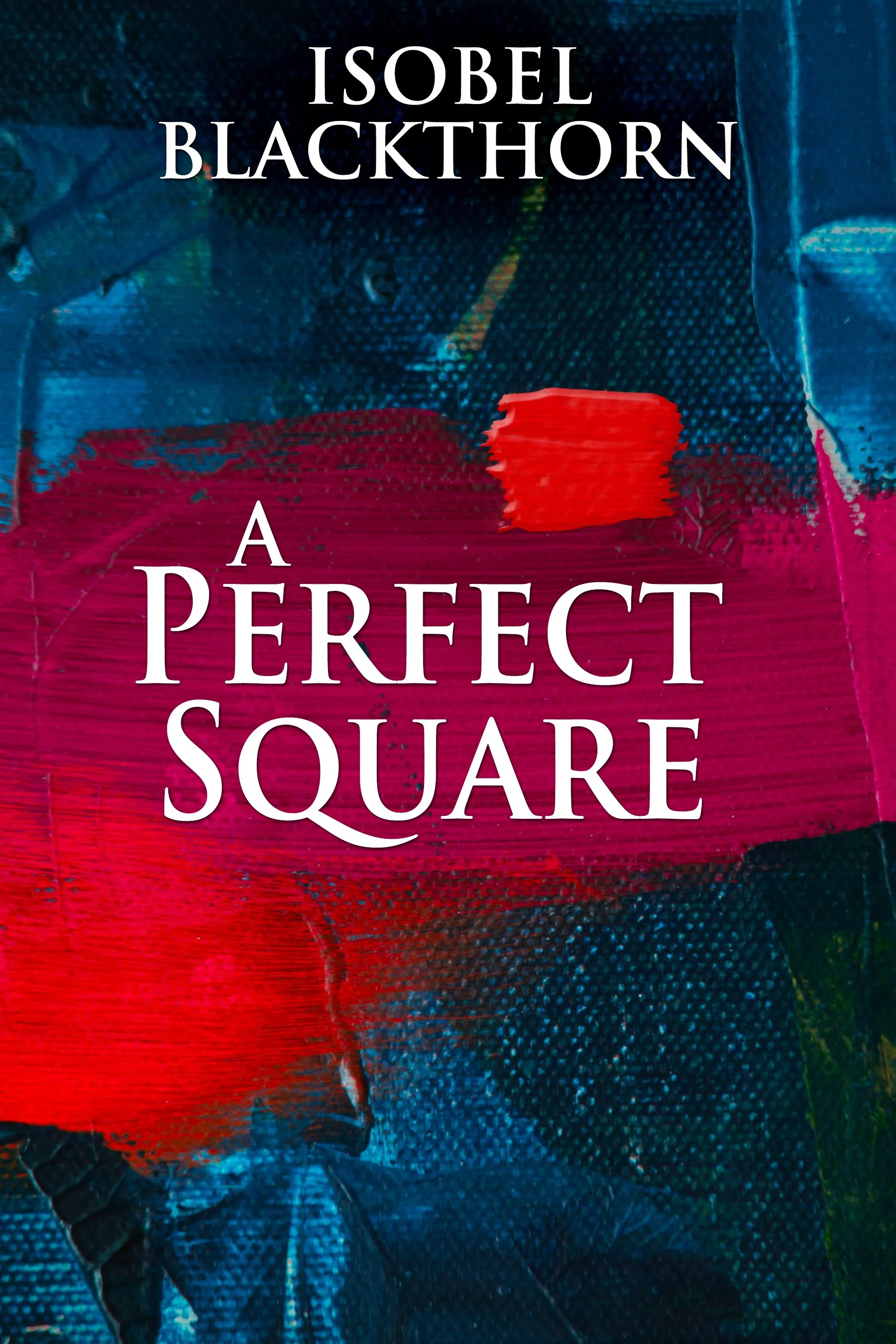
Art has long been a vessel for both expression and concealment, a canvas where emotions can be transfigured into shapes, colors, and sounds. In stories where creativity intersects with family life, art becomes not just a pursuit but a language—a way of communicating truths too painful to speak aloud. The relationship between mothers and daughters is often bound up in this silence and revelation, and it is within this tension that profound healing, or deepening fracture, may occur.
In one thread of the story, a pianist returns to her mother’s home in the Dandenong Ranges, carrying with her the weight of absence and unanswered questions. Music, the art form closest to her identity, collides with painting—her mother’s medium—in a proposed collaboration. Their artistic endeavor is not simply an exhibition in waiting; it is a negotiation of memory, pain, and the unspoken past. The act of creation becomes a shield for Harriet, a way to divert her daughter’s insistent search for answers. Yet, at the same time, the paintings and songs threaten to unearth what has been buried. The boundary between distraction and confession blurs as brushstrokes and melodies begin to carry the residue of loss and longing.
Across the world, on the moorlands of England, another mother wields her own brushes, filling canvases with imagined Australian landscapes. Her art soothes her heart in ways words cannot, particularly when faced with a daughter whose return brings shadows rather than light. The landscapes she paints are not only a longing for somewhere distant but also a projection of inner terrain—vast, lonely, and haunted by what is missing. The house fills with darkness, not merely because of strained relationships, but because art here too becomes a mirror for grief, guilt, and disconnection.
What binds these stories together is not only geography or mystery, but the way creativity functions as both balm and blade. Artistic practice has the capacity to heal—transforming grief into expression, chaos into form—but it can also disturb, pulling hidden fears into view and disturbing the fragile balance between past and present. The daughters, returning home, carry their mothers’ legacies of secrecy and artistry alike, forced to reckon with the ways in which creativity has both saved and unsettled those who raised them.
In the end, the search for truth becomes entwined with the search for meaning in art. A daughter’s pursuit of her absent father takes on the qualities of an abstract composition: layered, elusive, and shifting between what is seen and what is felt. As with a painting that resists a single interpretation, so too does family history resist tidy resolution. The mothers, through their canvases, and the daughters, through their return, enact a dialogue about inheritance—not just of blood or memory, but of creative spirit. Through art, they confront the possibility that healing and disturbance are not opposites, but twin forces in the same act of creation.

Sed purus sem, scelerisque ac rhoncus eget, porttitor nec odio. Lorem ipsum dolor sit amet.