



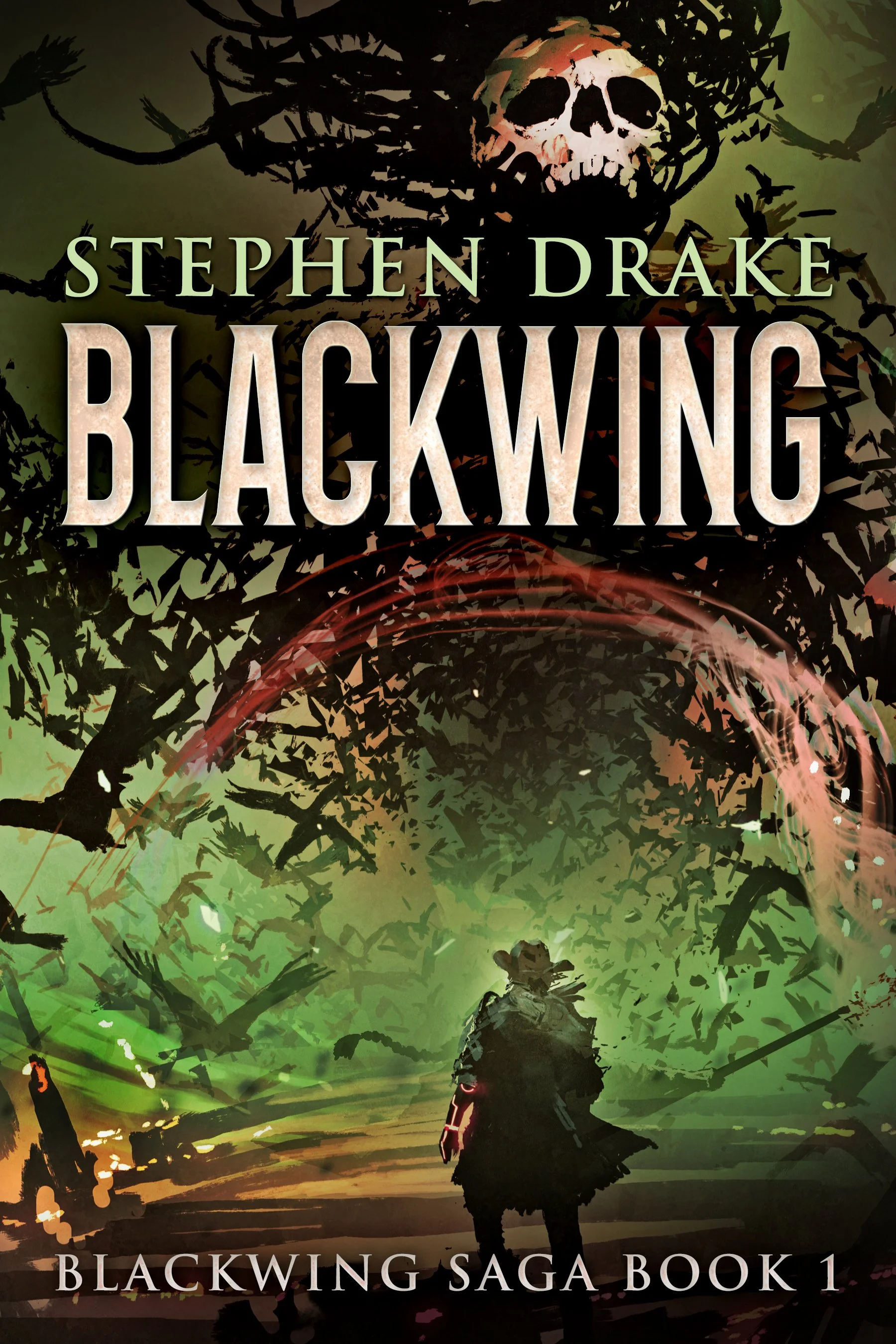
Magic and Technology in 2070: A Journey Through Power and Belonging
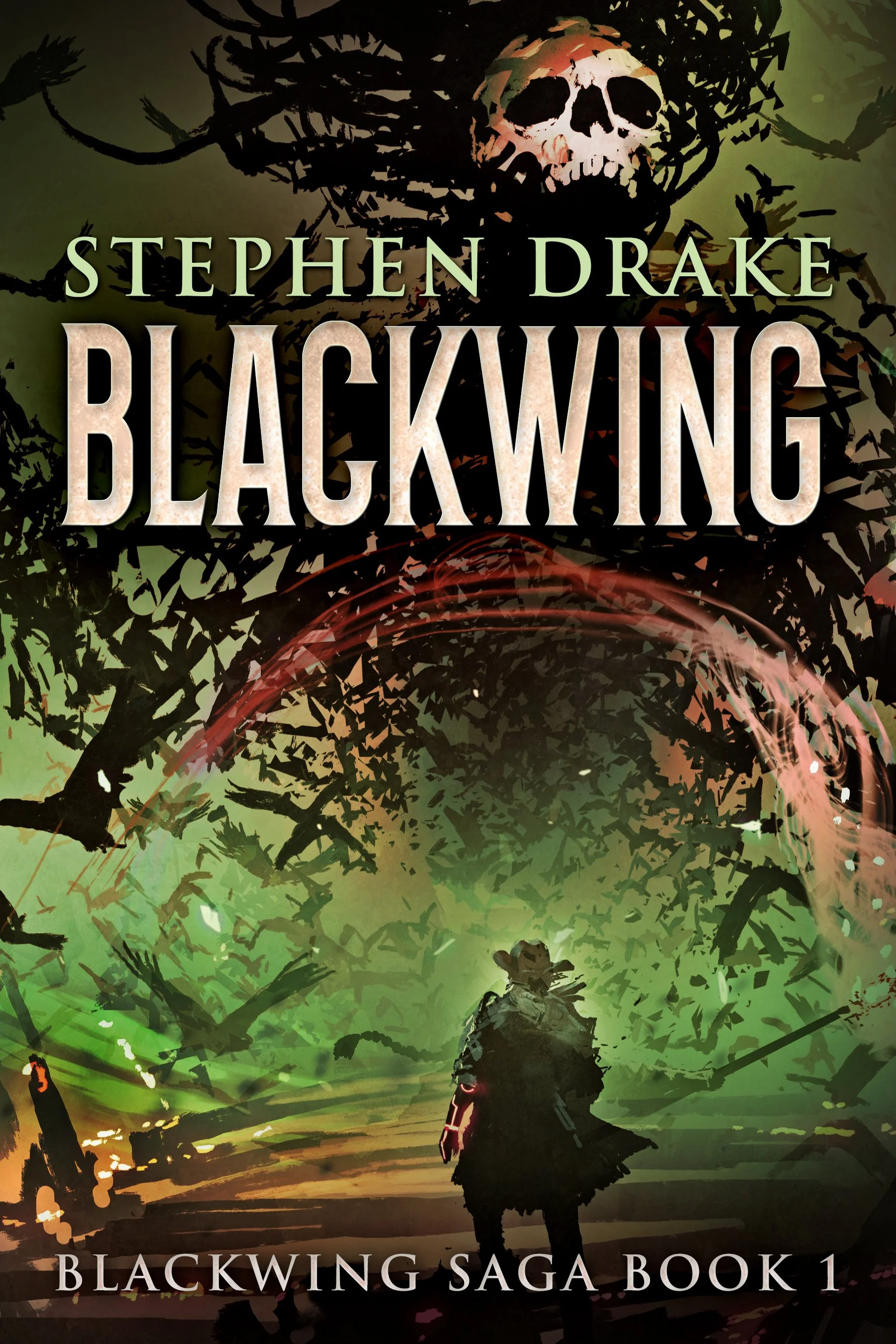
The year 2070 hums with the cold pulse of circuitry and synthetic light, yet within that rhythm beats an older, quieter magic. In Blackwing, Stephen Drake brings these forces into collision through the figure of Socrates Blackwing—a wizard and reluctant exile observing humanity from a distance, all while navigating the blurred boundaries between worlds. What begins as an assignment rooted in duty unfolds into a meditation on power, alienation, and the fragile search for belonging in an age that has forgotten wonder.
Socrates’s mission is deceptively simple: assess the people of this “Plane of Reality” and send home any wayward travelers from his own realm. But beneath the surface of this bureaucratic exile lies the ache of displacement. Tacoma, PC-Washington, is both futuristic and strangely recognizable—a city built on progress yet riddled with corruption, where even the air feels commodified. Against this backdrop, Socrates finds himself entangled not only in a web of interdimensional intrigue but also in the quiet defiance of a woman named Suzanne Hawks. Her struggle to preserve her small shop against corporate expansion mirrors his own battle to preserve identity and integrity in a world governed by data, profit, and power.
The tension between magic and technology becomes more than a thematic device; it is a reflection of the human condition. Magic here represents intuition, memory, and the ineffable—the things we cannot code or quantify. Technology, in turn, symbolizes mastery, innovation, and the illusion of control. Socrates’s internal struggle, then, is not just about which force is stronger but about which one deserves his allegiance. In a society that prizes efficiency over empathy, his brand of old-world magic feels almost subversive—an act of resistance against the sterilization of wonder.
Yet beneath the conflict of power lies a more intimate truth: even those gifted with extraordinary abilities can feel powerless. Socrates’s fall from favor with his grandfather, “The General,” is more than a familial rift; it’s a metaphor for generational disconnect and the cost of independence. Exile, in this sense, becomes both punishment and opportunity—a chance to confront not only external enemies but the self that emerges in solitude. His encounters with humanity, with its contradictions and quiet acts of courage, remind him—and us—that redemption often begins in the unlikeliest places.
Blackwing ultimately asks what it means to remain human in an era that blurs the line between the organic and the artificial. Can magic coexist with machines? Can empathy survive in a system built on surveillance and control? Drake’s story doesn’t offer easy answers, but through Socrates’s journey, it reminds us that the true measure of strength lies not in dominance but in understanding—of others, and of one’s own heart. In the clash between power and belonging, it is perhaps the simplest spells—connection, compassion, curiosity—that prove the most enduring.



Sed purus sem, scelerisque ac rhoncus eget, porttitor nec odio. Lorem ipsum dolor sit amet.